


Cronkhite–Canada Syndrome Market Size
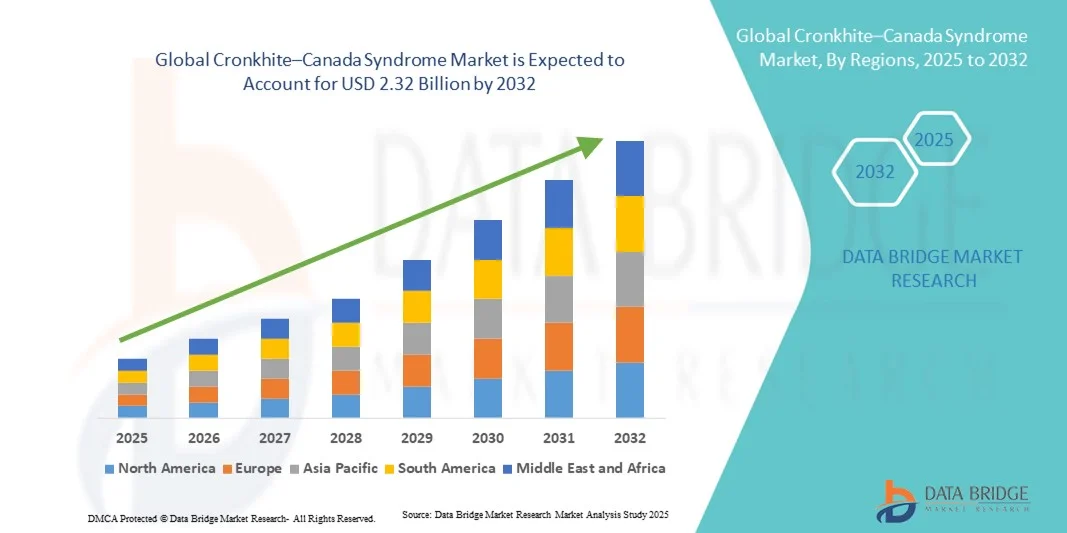
- The global Cronkhite–Canada Syndrome market size was valued at USD 1.70 billion in 2024 and is expected to reach USD 2.32 billion by 2032, at a CAGR of 4.00% during the forecast period
- The market growth is largely driven by the increasing prevalence of rare gastrointestinal disorders and the growing awareness regarding early diagnosis and management of Cronkhite–Canada Syndrome (CCS). Advancements in endoscopic technologies, biomarker research, and clinical diagnostic methods are improving detection rates, contributing to enhanced treatment outcomes and a broader patient base seeking specialized care
- Furthermore, rising research initiatives aimed at understanding the genetic and autoimmune basis of the disease, coupled with the development of novel therapeutic approaches including corticosteroids, immunosuppressive agents, and nutritional support therapies, are propelling market expansion. These combined factors are accelerating the adoption of advanced diagnostic and therapeutic solutions for Cronkhite–Canada Syndrome, thereby significantly boosting the industry's growth
Cronkhite–Canada Syndrome Market Analysis
- Cronkhite–Canada Syndrome (CCS), a rare non-hereditary gastrointestinal disorder, is gaining increasing medical and research attention due to the rising prevalence of autoimmune and idiopathic gastrointestinal diseases globally. Growing awareness among healthcare professionals, improved diagnostic capabilities, and advancements in endoscopic imaging and histopathology are major factors fueling the expansion of the CCS market
- The demand for effective therapeutic interventions for Cronkhite–Canada Syndrome is primarily driven by the lack of a definitive cure, the need for long-term management strategies, and ongoing research into immunosuppressive and nutritional therapies. Moreover, increasing clinical trials and academic studies focusing on disease pathogenesis and targeted treatment mechanisms are further supporting market growth
- North America dominated the Cronkhite–Canada Syndrome market with the largest revenue share of 41.3% in 2024, attributed to a strong healthcare infrastructure, early disease diagnosis, availability of advanced endoscopic and immunological testing, and a high concentration of rare disease research institutions, particularly in the U.S., which continues to lead clinical research and patient care advancements
- Asia-Pacific is expected to be the fastest-growing region in the Cronkhite–Canada Syndrome market during the forecast period, registering a CAGR of 7.9% from 2025 to 2032. This growth is driven by improving access to specialized healthcare, rising investments in rare disease research in countries such as Japan, China, and South Korea, and an increasing patient awareness of gastrointestinal health
- The oral segment dominated the largest market revenue share of 57.4% in 2024, attributed to its widespread preference for patient convenience and high compliance rates
Report Scope and Cronkhite–Canada Syndrome Market Segmentation
|
Attributes |
Cronkhite–Canada Syndrome Key Market Insights |
|
Segments Covered |
|
|
Countries Covered |
North America
Europe
Asia-Pacific
Middle East and Africa
South America
|
|
Key Market Players |
|
|
Market Opportunities |
|
|
Value Added Data Infosets |
In addition to the insights on market scenarios such as market value, growth rate, segmentation, geographical coverage, and major players, the market reports curated by the Data Bridge Market Research also include in-depth expert analysis, patient epidemiology, pipeline analysis, pricing analysis, and regulatory framework. |
Cronkhite–Canada Syndrome Market Trends
Enhanced Convenience Through AI and Digital Diagnostic Integration
- A significant and accelerating trend in the global Cronkhite–Canada Syndrome market is the deepening integration of artificial intelligence (AI) and digital diagnostic ecosystems within healthcare. This combination of technologies is enhancing convenience, precision, and accessibility in the management and diagnosis of rare gastrointestinal diseases
- For instance, AI-powered endoscopic imaging platforms and automated histopathology tools are increasingly being used for identifying gastrointestinal polyps and mucosal abnormalities associated with Cronkhite–Canada Syndrome. These systems allow physicians to detect early lesions with higher accuracy and reduce diagnostic time
- AI integration in gastroenterology enables functions such as automated image recognition, predictive analytics for relapse patterns, and intelligent alerts for patient monitoring. For example, emerging diagnostic software can analyze biopsy images or genomic data to predict disease progression and suggest personalized treatment protocols. Furthermore, digital health records and telemedicine platforms offer patients the ease of remote consultations, continuous symptom tracking, and data sharing with specialists across different regions
- The seamless integration of digital tools with hospital information systems and electronic health records (EHRs) facilitates centralized control of patient data. Through a single digital interface, clinicians can access endoscopic findings, laboratory results, and treatment updates, creating a unified and collaborative diagnostic experience
- This trend toward more intelligent, automated, and patient-centric healthcare solutions is reshaping expectations for rare disease management. Consequently, companies such as Thermo Fisher Scientific, Illumina, and Siemens Healthineers are developing AI-enabled pathology and genomic platforms that assist in the identification and monitoring of Cronkhite–Canada Syndrome and related gastrointestinal disorders
- The demand for technologies that offer integrated diagnostic support, predictive analysis, and remote patient management is growing rapidly across hospitals and research centers, as healthcare systems increasingly prioritize precision medicine and efficiency in rare disease detection
Cronkhite–Canada Syndrome Market Dynamics
Driver
Growing Need Due to Rising Gastrointestinal Disorders and Advancements in Rare Disease Research
- The increasing prevalence of gastrointestinal and autoimmune disorders worldwide, coupled with rapid advancements in rare disease research and diagnostic technologies, is a major factor driving the global Cronkhite–Canada Syndrome market
- For instance, in March 2024, the U.S. National Institutes of Health (NIH) announced new grant funding to support multicenter research programs focused on rare gastrointestinal polyposis syndromes, including Cronkhite–Canada Syndrome, to improve diagnostic and therapeutic strategies. Such initiatives are expected to accelerate disease awareness and research collaborations globally
- As clinicians become more aware of rare GI disorders and the importance of early detection, the adoption of molecular diagnostics, next-generation sequencing, and AI-based endoscopic imaging systems has grown substantially. These technologies offer higher diagnostic accuracy, real-time data interpretation, and better patient outcomes
- Furthermore, the growing interest in personalized medicine and immunological research is fostering the development of new therapeutic approaches targeting inflammation and mucosal regeneration in Cronkhite–Canada Syndrome patients
- The increasing availability of advanced diagnostic assays, combined with expanding research funding for rare diseases, continues to drive clinical and research activity across North America, Europe, and Asia. This growing focus on integrating precision diagnostics and patient registries is significantly contributing to market growth
Restraint/Challenge
Limited Awareness, High Diagnostic Costs, and Lack of Standardized Treatment
- The rarity of Cronkhite–Canada Syndrome and limited awareness among healthcare professionals remain key barriers to early diagnosis and effective treatment. Because the condition mimics more common gastrointestinal diseases, many cases remain under-recognized or misdiagnosed
- For instance, data from recent clinical literature suggest that Cronkhite–Canada Syndrome affects fewer than 1 in a million individuals worldwide, making large-scale clinical studies challenging. The lack of standardized diagnostic criteria and therapeutic guidelines further limits consistent disease management across healthcare systems
- High diagnostic costs—particularly for advanced endoscopic imaging, genomic testing, and long-term immunotherapy—pose another significant challenge, especially in developing economies with limited healthcare resources
- In addition, the absence of approved targeted therapies means that most patients rely on corticosteroids, nutritional support, and immunosuppressive agents, which may not always provide long-term remission
- Further, the absence of large patient registries and limited pharmaceutical interest due to the disease’s rarity hinder robust clinical trial development. The scarcity of specialized gastroenterologists trained to handle complex polyposis syndromes also slows diagnosis and management
- Overcoming these challenges requires global awareness programs, collaborative research networks, cost-effective molecular testing solutions, and increased government support for orphan disease drug development. Such measures will be crucial for sustained growth and innovation in the Global Cronkhite–Canada Syndrome Market
Cronkhite–Canada Syndrome Market Scope
The market is segmented on the basis of treatment, symptoms, diagnosis, route of administration, end-users, and distribution channel.
- By Treatment
On the basis of treatment, the Cronkhite–Canada Syndrome market is segmented into colonoscopy, blood transfusion, antibiotics, eradication of H. pylori, surgery, sulfasalazine, metronidazole, ranitidine, combination of systemic corticosteroids, antiplasmin, immunomodulators, and antitumour necrosis factor (TNF)-α agents. The combination of systemic corticosteroids segment dominated the largest market revenue share of 38.5% in 2024, driven by their effectiveness in controlling gastrointestinal inflammation and immune responses. Corticosteroids such as prednisolone and budesonide are routinely prescribed for CCS to manage diarrhea, malabsorption, and intestinal polyps. Their ability to deliver rapid relief and high patient response rates reinforces their dominance. Hospitals and clinics rely heavily on corticosteroid therapy as the first line of treatment due to proven clinical success. The affordability, oral availability, and broad anti-inflammatory mechanism make these drugs highly accessible worldwide. Furthermore, continuous inclusion in international treatment guidelines supports strong adoption. Increasing awareness among gastroenterologists and favorable reimbursement policies further expand their usage, maintaining the leading position of this segment.
The immunomodulators segment is anticipated to witness the fastest growth rate of 20.4% from 2025 to 2032, propelled by the rising focus on long-term remission and reducing corticosteroid dependency. Immunomodulators such as azathioprine, cyclosporine, and tacrolimus are gaining traction due to their targeted immune-regulating capabilities. The growing number of clinical studies validating efficacy and improved safety profiles enhances confidence among clinicians. Increasing incorporation of immunomodulators with biologics and supportive care is broadening therapeutic outcomes. The ongoing evolution of personalized immunotherapy approaches and growing access to advanced formulations will continue driving segment expansion throughout the forecast period.
- By Symptoms
On the basis of symptoms, the Cronkhite–Canada Syndrome market is segmented into alopecia, hyperpigmentation, onychodystrophy, diarrhea, abdominal cramps, cachexia, peripheral edema, ecchymotic plaques, malnutrition, nausea, and others. The diarrhea segment dominated the largest market revenue share of 29.8% in 2024, as chronic watery diarrhea remains the most common and severe manifestation of CCS. This symptom drives significant hospital visits and long-term treatment needs globally. The segment’s leadership is primarily attributed to the widespread requirement for fluid therapy, anti-inflammatory drugs, and nutritional support. Healthcare providers prioritize diarrhea management due to its direct correlation with patient quality of life and mortality prevention. Technological advancements in gastrointestinal treatment, including targeted drug delivery and dietary therapies, are also contributing to the dominance of this segment. Growing R&D into gut microbiome balance and inflammation control continues to support this market position. Increasing government initiatives on digestive health awareness and hospital-level intervention programs further reinforce demand for effective diarrhea management.
The malnutrition segment is anticipated to witness the fastest growth rate of 18.7% from 2025 to 2032, driven by increasing recognition of nutritional deficiencies as a central CCS complication. Patients often experience severe protein-energy malnutrition, leading to systemic weakness. Rising clinical focus on early nutritional assessment and the development of personalized dietary plans are boosting growth. Availability of fortified nutrition therapies, enteral feeding solutions, and metabolic monitoring tools are enhancing treatment outcomes. Collaborations between dieticians and gastroenterologists to integrate nutrition into treatment protocols are also strengthening this segment’s outlook.
- By Diagnosis
On the basis of diagnosis, the Cronkhite–Canada Syndrome market is segmented into erythrocyte sedimentation rate, C-reactive protein, serum electrolyte levels, glucose and lipid concentrations, antinuclear factor, serum micronutrient levels, occult blood testing, Sudan III testing, tests for Helicobacter pylori, biopsy, and radiological examination. The biopsy segment dominated the largest market revenue share of 41.6% in 2024, as it remains the gold standard for confirming CCS diagnosis through histopathological tissue analysis. Biopsy procedures allow direct visualization of gastrointestinal polyps and mucosal alterations, ensuring diagnostic precision. The dominance of this segment is strengthened by advanced endoscopic imaging technologies enabling targeted tissue sampling. Hospitals and diagnostic centers rely on biopsy results to differentiate CCS from malignancies or inflammatory bowel conditions. Increased adoption of digital pathology platforms and AI-based histology interpretation further improve diagnostic accuracy and efficiency. Growing global healthcare infrastructure and expansion of endoscopic facilities also support this segment’s leadership. Biopsy’s high specificity and clinical reliability have made it indispensable for accurate disease identification worldwide.
The radiological examination segment is anticipated to witness the fastest growth rate of 19.9% from 2025 to 2032, supported by the growing preference for non-invasive diagnostic tools. Modern imaging technologies such as CT and MRI enable early visualization of mucosal thickening and polyp distribution. Integration of AI-enhanced imaging analytics is improving diagnostic precision. The demand for rapid, painless, and repeatable diagnostics is further fueling the adoption of radiological methods across healthcare settings. Furthermore, advancements in 3D imaging and digital radiology are enabling clinicians to detect subtle gastrointestinal abnormalities with higher accuracy. The expanding use of cloud-based imaging storage and remote diagnostic interpretation is also enhancing accessibility in both developed and emerging healthcare systems.
- By Route of Administration
On the basis of route of administration, the Cronkhite–Canada Syndrome market is segmented into oral and injectable. The oral segment dominated the largest market revenue share of 57.4% in 2024, attributed to its widespread preference for patient convenience and high compliance rates. Oral formulations, including corticosteroids, antibiotics, and nutritional supplements, are extensively used for CCS management. They offer flexible dosing, easy administration, and affordability compared to injectables. Pharmaceutical companies continue to focus on developing improved oral formulations with higher bioavailability and reduced side effects. This segment benefits from the availability of combination oral therapies suitable for outpatient care. The rise in self-administered medication trends and favorable patient outcomes further consolidate its dominance. In addition, oral medications are easily accessible through hospital and retail pharmacies, expanding their reach among global patients. Increasing adoption in mild-to-moderate disease cases reinforces this segment’s sustained leadership in the global market.
The injectable segment is anticipated to witness the fastest growth rate of 17.3% from 2025 to 2032, driven by the growing use of biologics, immunomodulators, and TNF-α inhibitors. Injectable drugs offer faster action and higher efficacy for severe cases requiring hospital-based administration. Advancements in delivery systems such as prefilled syringes and infusion devices enhance safety and patient adherence. Rising clinical preference for targeted therapies and innovations in parenteral formulations continue to propel this segment’s growth. Moreover, increasing R&D investments in long-acting injectable formulations and biosimilars are expected to further expand accessibility and treatment efficiency across global markets.
- By End-Users
On the basis of end-users, the Cronkhite–Canada Syndrome market is segmented into clinics, hospitals, diagnostic centres, surgical centres, and others. The hospitals segment dominated the largest market revenue share of 46.8% in 2024, driven by the comprehensive facilities available for diagnosis, treatment, and patient monitoring. Hospitals remain the central hubs for colonoscopy, biopsy, and intravenous drug administration procedures in CCS care. The segment benefits from the presence of multidisciplinary teams including gastroenterologists, nutritionists, and surgeons, providing holistic management of complex cases. Increasing investments in hospital infrastructure, along with government-backed rare disease care programs, are further strengthening this dominance. Hospitals also have advanced diagnostic imaging systems and integrated pharmacy services that ensure efficient treatment workflows. Growing awareness about specialized treatment centers and access to advanced care technologies continue to secure the hospital segment’s leadership globally.
The diagnostic centres segment is anticipated to witness the fastest growth rate of 19.1% from 2025 to 2032, fueled by the rising availability of specialized laboratories and pathology facilities. The growing trend of outsourcing diagnostics by hospitals and the expansion of standalone pathology labs are accelerating this growth. Increasing adoption of automated testing, molecular diagnostics, and AI-based interpretation tools further supports segment expansion. Enhanced accessibility and affordability of diagnostics in emerging regions will continue to boost this segment in the coming years.
- By Distribution Channel
On the basis of distribution channel, the Cronkhite–Canada Syndrome market is segmented into hospital pharmacy, retail pharmacy, and online pharmacy. The hospital pharmacy segment dominated the largest market revenue share of 52.9% in 2024, owing to the centralized availability of prescription-based therapies within hospital facilities. Hospital pharmacies provide immediate access to corticosteroids, biologics, and immunosuppressants prescribed by specialists, ensuring continuity of care. This segment benefits from robust inventory management, regulated procurement systems, and direct integration with inpatient departments. The presence of clinical pharmacists and electronic prescription systems enhances medication safety and dosing accuracy. Growing hospitalization rates and the concentration of severe CCS cases in tertiary care centers further consolidate this segment’s dominance. In addition, government and institutional purchases through hospital networks support stable demand for pharmaceutical supply chains.
The online pharmacy segment is anticipated to witness the fastest growth rate of 21.6% from 2025 to 2032, driven by increasing digitalization and e-commerce expansion in healthcare. The convenience of doorstep delivery, 24/7 accessibility, and digital prescription services are propelling adoption. Online platforms offer competitive pricing and accessibility to rare disease medications otherwise unavailable locally. The integration of telemedicine and e-consultation services within online pharmacy ecosystems further enhances growth. Rising consumer trust and supportive regulatory frameworks for online drug sales across developed and emerging economies are expected to drive this segment at an accelerated pace over the forecast period.
Cronkhite–Canada Syndrome Market Regional Analysis
- North America dominated the Cronkhite–Canada Syndrome market with the largest revenue share of 41.3% in 2024, attributed to a strong healthcare infrastructure, early disease diagnosis, availability of advanced endoscopic and immunological testing, and a high concentration of rare disease research institutions, particularly in the U.S., which continues to lead clinical research and patient care advancements
- Patients and clinicians in the region benefit from advanced diagnostic platforms, rare disease registries, and well-established reimbursement frameworks. The increasing awareness of gastrointestinal disorders, combined with strong collaborations between academic centers and pharmaceutical companies, has accelerated early detection and treatment efforts
- This leadership position is also driven by ongoing clinical studies exploring the pathogenesis of Cronkhite–Canada Syndrome and the implementation of precision medicine approaches in gastrointestinal research. The growing focus on patient-centric care and early intervention continues to strengthen North America’s dominance in the global market
U.S. Cronkhite–Canada Syndrome Market Insight
The U.S. Cronkhite–Canada Syndrome market captured of the North American share in 2024, fueled by a high adoption of advanced diagnostic technologies and a strong network of specialty hospitals and academic research institutes. The country’s emphasis on rare disease surveillance programs and support from federal initiatives such as the NIH Rare Diseases Clinical Research Network has enhanced early detection rates. Furthermore, growing patient awareness, insurance coverage for endoscopic procedures, and continuous innovation in molecular diagnostics have made the U.S. a global leader in Cronkhite–Canada Syndrome management and research.
Europe Cronkhite–Canada Syndrome Market Insight
The Europe Cronkhite–Canada Syndrome market is expected to grow at a notable CAGR during the forecast period, supported by well-structured healthcare systems, increasing awareness of rare gastrointestinal disorders, and government-backed research funding for rare diseases. The integration of advanced diagnostic systems and the establishment of European Reference Networks (ERNs) for rare diseases are improving disease identification and cross-border medical collaboration. High prevalence of chronic gastrointestinal conditions and strong research output from countries like Germany, France, and the U.K. are reinforcing Europe’s contribution to global Cronkhite–Canada Syndrome advancements.
U.K. Cronkhite–Canada Syndrome Market Insight
The U.K. market is anticipated to expand significantly throughout the forecast period due to the NHS Rare Disease Framework and a focus on improving genetic and immunologic testing. Research initiatives such as Genomics England are promoting early diagnosis and personalized medicine, while collaborations among hospitals and universities are improving clinical management strategies. Enhanced data collection and patient registries are also expected to support long-term monitoring and treatment optimization for Cronkhite–Canada Syndrome patients.
Germany Cronkhite–Canada Syndrome Market Insight
The Germany Cronkhite–Canada Syndrome market is forecasted to witness strong growth owing to the country’s advanced medical research ecosystem, expanding endoscopic facilities, and increasing participation in European rare disease networks. High diagnostic accuracy, technological advancement, and integration of digital health tools are driving adoption of modern gastrointestinal diagnostic systems. The focus on data transparency, clinical innovation, and patient registries further supports Germany’s position as a key contributor to Europe’s Cronkhite–Canada Syndrome research landscape.
Asia-Pacific Cronkhite–Canada Syndrome Market Insight
The Asia-Pacific Cronkhite–Canada Syndrome market is projected to grow at the fastest CAGR of 7.9% from 2025 to 2032, driven by rising healthcare investments, improving access to specialized diagnostics, and growing awareness of gastrointestinal disorders in emerging economies. Countries such as Japan, China, and South Korea are leading regional research and expanding rare disease registries to improve case detection. Government initiatives to strengthen healthcare infrastructure and the adoption of precision medicine are also fueling regional growth. With a growing population base, increasing diagnostic capability, and cross-border research collaborations, Asia-Pacific is expected to emerge as a major growth hub for Cronkhite–Canada Syndrome diagnostics and care.
Japan Cronkhite–Canada Syndrome Market Insight
The Japan Cronkhite–Canada Syndrome market is advancing rapidly, supported by high medical technology adoption, a strong network of gastroenterology specialists, and active government funding for rare disease management. Healthcare reforms emphasizing early diagnosis, patient monitoring, and precision medicine are enhancing market penetration. Japan’s focus on clinical excellence, coupled with widespread availability of advanced imaging and testing tools, continues to promote steady growth in disease detection and treatment efficiency.
China Cronkhite–Canada Syndrome Market Insight
The China Cronkhite–Canada Syndrome market accounted for the largest share within Asia-Pacific in 2024, driven by government-backed rare disease programs, rapid expansion of tertiary hospitals, and technological upgrades in endoscopic and laboratory facilities. Rising awareness of gastrointestinal disorders, coupled with growing collaborations between domestic research institutes and international partners, is improving diagnostic reach. Furthermore, the development of cost-effective testing solutions and inclusion of rare disease programs in national health initiatives are strengthening China’s role in the regional market landscape.
Cronkhite–Canada Syndrome Market Share
The Cronkhite–Canada Syndrome industry is primarily led by well-established companies, including:
• Pfizer Inc. (U.S.)
• Johnson & Johnson Services, Inc. (U.S.)
• Novartis AG (Switzerland)
• F. Hoffmann-La Roche Ltd. (Switzerland)
• AbbVie Inc. (U.S.)
• Bristol Myers Squibb Company (U.S.)
• GlaxoSmithKline plc (U.K.)
• AstraZeneca plc (U.K.)
• Takeda Pharmaceutical Company Limited (Japan)
• Sanofi S.A. (France)
• Eli Lilly and Company (U.S.)
• Merck & Co., Inc. (U.S.)
• Amgen Inc. (U.S.)
• Bayer AG (Germany)
• Teva Pharmaceutical Industries Ltd. (Israel)
Latest Developments in Global Cronkhite–Canada Syndrome Market
- In November 2023, researchers at Baylor College of Medicine and collaborators published a study titled “Human intestinal organoids from CCS patients reveal link between serotonin and proliferation” in the Journal of Clinical Investigation. The work showed that organoids derived from CCS patients had elevated serotonin (5-HT) producing enteroendocrine cells and that serotonin influenced epithelial proliferation, indicating a novel pathogenic mechanism and potential therapeutic target
- In April 2024, a case report titled “Cronkhite-Canada Syndrome: A Rare Cause of Gastrointestinal Polyposis With Response to Emerging Therapy” by Mayo Clinic researchers was published in the ACG Case Reports Journal. The report described a 70-year-old male with CCS who had failed prednisone therapy and subsequently responded to the biologic agent Adalimumab (a TNF-α inhibitor), suggesting biologic/immunotherapy may have utility in CCS
- In 2024 (no exact month specified), a transcriptome analysis study “Cronkhite–Canada syndrome as inflammatory hamartomatous polyposis: new evidence from whole transcriptome sequencing of colonic polyps” was published in the Orphanet Journal of Rare Diseases. The study performed next-generation sequencing of polyp tissue from CCS patients and found evidence of innate immune activation, extracellular matrix disorganization, angiogenesis and EMT (epithelial-mesenchymal transition), thereby advancing knowledge of pathobiology and possible treatment pathways
- In March 2025, a rare case of CCS in a Moroccan female patient was reported in the open-access journal Cureus. This report highlighted increasing recognition of CCS in non-Japanese populations and underscored the need for heightened awareness of the syndrome worldwide

- Interactive Data Analysis Dashboard
- Company Analysis Dashboard for high growth potential opportunities
- Research Analyst Access for customization & queries
- Competitor Analysis with Interactive dashboard
- Latest News, Updates & Trend analysis
- Harness the Power of Benchmark Analysis for Comprehensive Competitor Tracking
Data collection and base year analysis are done using data collection modules with large sample sizes. The stage includes obtaining market information or related data through various sources and strategies. It includes examining and planning all the data acquired from the past in advance. It likewise envelops the examination of information inconsistencies seen across different information sources. The market data is analysed and estimated using market statistical and coherent models. Also, market share analysis and key trend analysis are the major success factors in the market report. To know more, please request an analyst call or drop down your inquiry.
The key research methodology used by DBMR research team is data triangulation which involves data mining, analysis of the impact of data variables on the market and primary (industry expert) validation. Data models include Vendor Positioning Grid, Market Time Line Analysis, Market Overview and Guide, Company Positioning Grid, Patent Analysis, Pricing Analysis, Company Market Share Analysis, Standards of Measurement, Global versus Regional and Vendor Share Analysis. To know more about the research methodology, drop in an inquiry to speak to our industry experts.
Data Bridge Market Research is a leader in advanced formative research. We take pride in servicing our existing and new customers with data and analysis that match and suits their goal. The report can be customized to include price trend analysis of target brands understanding the market for additional countries (ask for the list of countries), clinical trial results data, literature review, refurbished market and product base analysis. Market analysis of target competitors can be analyzed from technology-based analysis to market portfolio strategies. We can add as many competitors that you require data about in the format and data style you are looking for. Our team of analysts can also provide you data in crude raw excel files pivot tables (Fact book) or can assist you in creating presentations from the data sets available in the report.












