- The cultured meat market is expanding steadily as companies move from pilot-scale to commercial production, supported by advancements in tissue engineering and cell culture techniques. This shift is making lab-grown meat more accessible and closer to cost competitiveness with traditional meat
- Consumer acceptance is gradually increasing due to better awareness, improved product texture, and flavour enhancements that closely mimic conventional meat. This is encouraging food service providers and retailers to explore partnerships with cultured meat start-ups
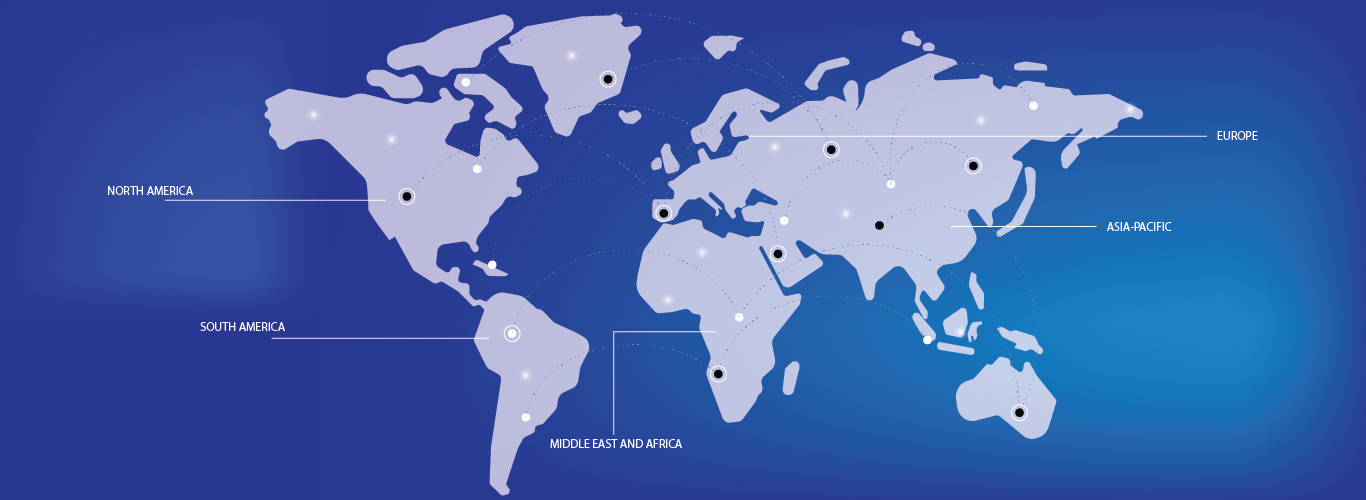
- North America dominates the cultured meat market with the largest revenue share of 41.2% in 2025, driven by early regulatory approvals, strong investment activity, and high consumer awareness regarding sustainable and ethical food alternatives. The presence of leading players and advanced food tech infrastructure further supports the region’s market leadership.
- Asia-Pacific is expected to be the fastest growing region in the cultured meat market during the forecast period, due to increasing urbanization, rising disposable incomes, and growing demand for alternative proteins across populous nations such as China, India, and Japan. Government support for food innovation and expanding biotech capabilities are also fuelling rapid market expansion in the region
- The beef held the largest market revenue share in 2025 of 35-40%. This leading position is primarily fuelled by the substantial global demand for beef and the increasing awareness of the environmental consequences linked to traditional beef production methods. Consequently, there's a significant and growing interest in developing sustainable alternatives to conventionally produced beef, positioning cultured beef as a promising solution to address these concerns and meet consumer demand