- The demand response market is witnessing a steady rise due to the growing need for grid stability, especially during peak load periods. Governments and utility providers across the globe are implementing demand-side management strategies to ensure a balanced energy supply-demand structure
- Technological advancements such as automated metering infrastructure (AMI), Internet of Things (IoT), and artificial intelligence (AI) are making demand response systems more effective and user-friendly. These tools enable real-time communication between consumers and utility providers, allowing for better control and flexibility
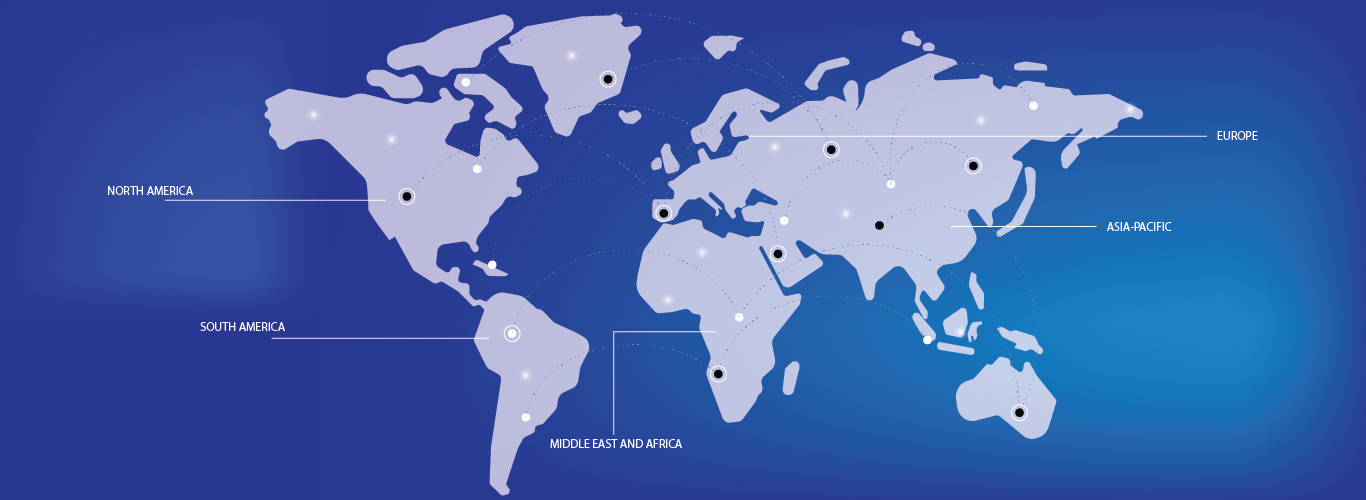
- North America led the demand response market with the largest revenue share of 38.7% in 2024, driven by the presence of a mature energy infrastructure, supportive regulatory frameworks, and increasing integration of smart grid technologies
- Asia-Pacific region is expected to witness the highest growth rate in the global demand response market, driven by rapid urbanization, growing electricity consumption, deployment of smart meters, and regional efforts to integrate renewable energy sources while enhancing grid reliability and energy cost savings
- The commercial DRMS segment dominated the market with the largest revenue share of 44.6% in 2024, driven by increased energy consumption in commercial buildings and the rising need for peak load management. Businesses are increasingly adopting automated demand response platforms to reduce operational costs and enhance energy efficiency. The ability of commercial DRMS to integrate seamlessly with building management systems is also contributing to its widespread implementation across malls, offices, and data centers.