- Digital health monitoring devices are advanced tools used to track and manage various health parameters in real-time, such as heart rate, blood pressure, glucose levels, and oxygen saturation. These devices are integral in providing continuous health data for individuals, enabling proactive management of chronic conditions such as diabetes, hypertension, and cardiovascular diseases
- The demand for these devices is significantly driven by the increasing adoption of telemedicine, a rise in chronic diseases, and the growing consumer preference for self-care and preventive health monitoring. In addition, technological advancements in sensors, connectivity (IoT), and data analytics further enhance the effectiveness and accessibility of these devices
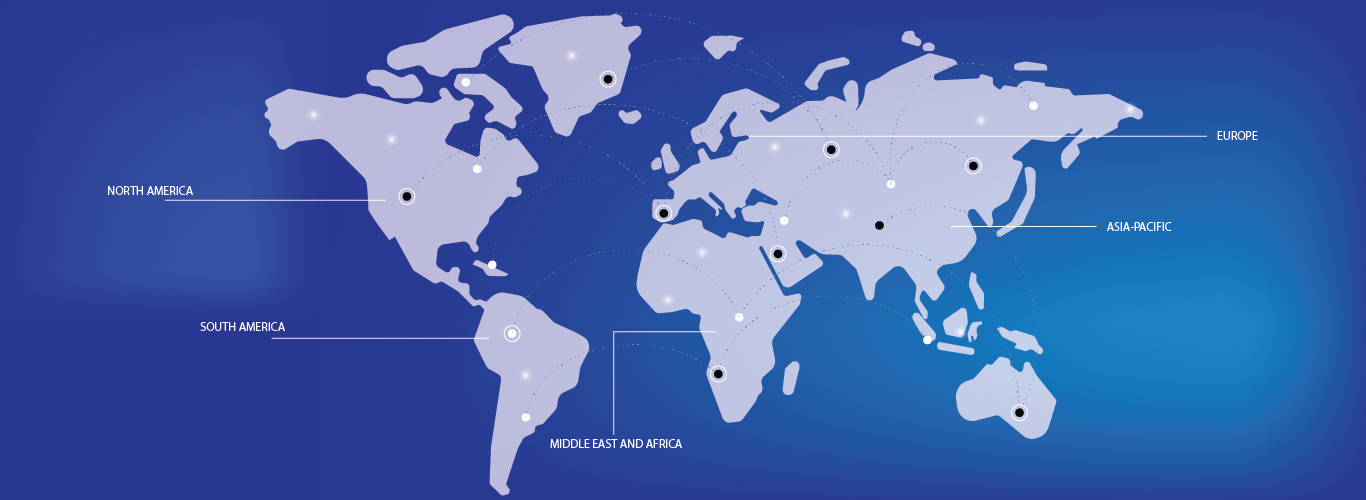
- North America holds approximately 40.6% of the global digital health monitoring devices market, with the U.S. contributing significantly to this share due to its advanced healthcare system and high demand for innovative health solutions
- Asia-Pacific is expected to grow at a significant pace, contributing 30.3% of the global market by 2025, with India projected to have the highest share in this region
- Device’s segment is expected to dominate the digital health monitoring devices market with a market share of 60.74% in 2025 due to its wide range of products, including wearable health trackers, continuous glucose monitors, blood pressure monitors, and other diagnostic tools. These devices are integral for real-time health monitoring, enabling individuals to manage chronic conditions effectively and proactively