

Global Digital Mammography Market
Market Size in USD Billion
CAGR :
% 
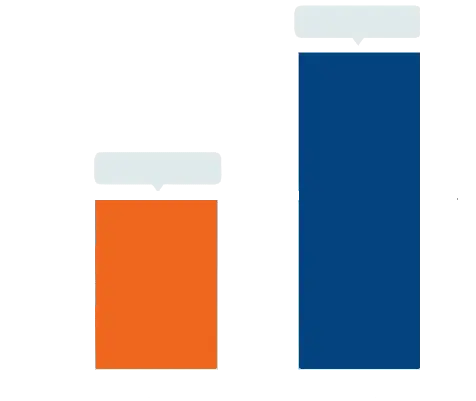 USD
1.95 Billion
USD
4.55 Billion
2025
2033
USD
1.95 Billion
USD
4.55 Billion
2025
2033
 Forecast Period Forecast Period |
2026 –2033 |
 Market Size (Base Year) Market Size (Base Year) |
USD 1.95 Billion |
 Market Size (Forecast Year) Market Size (Forecast Year) |
USD 4.55 Billion |
 CAGR CAGR |
% |
| Major Markets Players |
|

Digital Mammography Market Size
- The global digital mammography market size was valued at USD 1.95 billion in 2025 and is expected to reach USD 4.55 billion by 2033, at a CAGR of11.20% during the forecast period
- The market growth is largely fueled by the rising adoption of advanced imaging technologies and continuous technological progress in breast cancer screening systems, leading to increased digitalization across hospitals, diagnostic centers, and specialty clinics
- Furthermore, growing patient demand for accurate, user-friendly, and early-detection diagnostic solutions is establishing digital mammography as the preferred breast imaging method. These converging factors are accelerating the uptake of Digital Mammography solutions, thereby significantly boosting the industry's growth
Digital Mammography Market Analysis
- Digital mammography, offering advanced imaging capabilities for early and accurate detection of breast cancer, is becoming an essential component of modern diagnostic and screening systems in both hospitals and specialized imaging centers due to its superior image quality, lower radiation doses, faster results, and seamless integration with PACS and AI-driven analysis tools
- The escalating demand for digital mammography is primarily fueled by the rising global incidence of breast cancer, increasing awareness about early detection, government-supported screening programs, and growing adoption of technologically advanced imaging systems. The shift from conventional film-based mammography to digital systems is further accelerating demand across developed and emerging markets
- North America dominated the digital mammography market with the largest revenue share of 39% in 2025, supported by advanced healthcare infrastructure, high screening rates, strong reimbursement frameworks, and rapid adoption of AI-powered diagnostic tools. The U.S. continues to experience significant growth in digital mammography installations across hospitals, outpatient imaging centers, and breast screening facilities, driven by technological innovations and early adoption of 3D/4D mammography (tomosynthesis)
- Asia-Pacific is expected to be the fastest-growing region in the digital mammography market during the forecast period, registering a high CAGR due to rising healthcare expenditure, growing breast cancer awareness programs, expansion of diagnostic imaging centers, and government initiatives promoting early cancer screening in China, India, and Japan
- The 2D full-field digital mammography segment dominated the largest market revenue share of 41.3% in 2025, driven by its established role as the primary screening tool in national and private breast cancer screening programs worldwide
Report Scope and Digital Mammography Market Segmentation
|
Attributes |
Digital Mammography Key Market Insights |
|
Segments Covered |
|
|
Countries Covered |
North America
Europe
Asia-Pacific
Middle East and Africa
South America
|
|
Key Market Players |
• Hologic, Inc. (U.S.) |
|
Market Opportunities |
|
|
Value Added Data Infosets |
In addition to the insights on market scenarios such as market value, growth rate, segmentation, geographical coverage, and major players, the market reports curated by the Data Bridge Market Research also include in-depth expert analysis, patient epidemiology, pipeline analysis, pricing analysis, and regulatory framework. |
Digital Mammography Market Trends
Enhanced Convenience Through AI-Driven Image Analysis and Advanced Workflow Integration
- A significant and accelerating trend in the global digital mammography market is the expanding integration of artificial intelligence (AI), machine learning (ML), and advanced workflow automation into breast imaging systems. This integration is transforming radiology departments by improving diagnostic accuracy, operational efficiency, and clinical decision support
- Leading manufacturers are incorporating AI-powered CAD (computer-aided detection) tools that automatically highlight suspicious lesions, microcalcifications, and density abnormalities, thereby assisting radiologists in early cancer detection
- For instance, several FDA-cleared AI solutions now provide real-time image interpretation, reducing reading time and helping radiologists prioritize high-risk cases for faster intervention
- Many modern digital mammography systems now integrate seamlessly with PACS, RIS, and hospital information systems, enabling centralized workflow management, automated reporting, and faster retrieval of patient imaging histories
- AI-enabled imaging platforms can also learn from large volumes of mammographic data, allowing them to improve lesion classification accuracy, reduce recall rates, and lower false positives over time
- Furthermore, advanced algorithms support breast density assessment, which is crucial for determining personalized screening strategies for women with dense breast tissue
- Workflow automation tools—such as instant image quality checks, automatic positioning assistance, and dose-optimization software—are improving the consistency of examinations and reducing the likelihood of retakes
- These technological improvements are significantly enhancing the user experience for both radiologists and patients by enabling faster exams, smoother data flow, and improved image interpretation confidence
- Companies such as Hologic, GE HealthCare, and Siemens Healthineers are actively developing AI-enhanced mammography platforms to remain competitive in the evolving breast imaging landscape
- The trend toward more intelligent, automated, and interconnected mammography solutions is reshaping expectations for diagnostic imaging and fueling global adoption in hospitals and imaging centers
- As personalized medicine gains traction, AI-driven tools are enabling more tailored breast cancer screening plans based on individual risk profiles and imaging history
- The increasing availability of cloud-based AI engines is further broadening access to advanced diagnostic tools in underserved regions, making digital mammography more efficient, accessible, and reliable
Digital Mammography Market Dynamics
Driver
Growing Need for Early Breast Cancer Detection Coupled With Technological Advancements
- Rising global awareness about breast cancer and the urgent need for early detection remain powerful drivers for Digital Mammography market growth. As breast cancer incidence continues to increase worldwide, healthcare systems are adopting advanced digital imaging technologies to improve screening accuracy and reduce mortality rates
- For instance, the shift from traditional film-screen mammography to full-field digital mammography (FFDM) and 3D tomosynthesis is accelerating, driven by superior image quality, lower radiation dose, and improved diagnostic sensitivity
- Technological advancements such as high-resolution detectors, advanced image processing software, and AI-supported tumor characterization are delivering greater clinical value and encouraging adoption in hospitals and diagnostic centers
- In many countries, national screening programs and government-funded initiatives are promoting the installation of modern digital mammography systems to strengthen public health outcomes
- The increasing preference for minimally invasive diagnostic techniques has further encouraged the adoption of digital mammography, which offers faster results, better clarity, and enhanced lesion visibility compared to analog systems
- Rising healthcare expenditures and growing investment in medical imaging infrastructure across emerging markets are expanding market opportunities for global manufacturers
- The demand is also driven by the growing population of aging women, who represent a higher-risk demographic requiring regular breast cancer screening
- Furthermore, technological innovations such as mobile mammography units, tele-radiology integration, and cloud-enabled imaging have improved accessibility in rural and remote regions
- The convenience of digital storage, seamless integration with electronic health records (EHR), and ability to instantly share images with specialists are key factors driving adoption
- Increasing research focus on early tumor detection and improved imaging modalities continues to stimulate product innovation
- The trend toward value-based imaging is encouraging hospitals to invest in systems that offer greater diagnostic accuracy and better patient outcomes
- Overall, the market is being propelled by strong demand for reliable, technologically advanced solutions that support early diagnosis and improved breast cancer management
Restraint/Challenge
High Equipment Costs and Concerns Regarding Radiation Exposure
- One of the major challenges restraining the Digital Mammography market is the high initial cost associated with acquiring advanced imaging systems, particularly 3D tomosynthesis and AI-powered diagnostic tools. These costs can be prohibitive for small hospitals, standalone clinics, and facilities in low-income regions
- For instance, the price of installing a complete digital mammography unit—along with supporting infrastructure, PACS integration, and training—can significantly exceed the budgets of many imaging centers, slowing adoption rates
- In addition, concerns regarding radiation exposure, although lower in digital systems compared to analog, continue to influence patient acceptance and regulatory oversight
- High-profile discussions about cumulative radiation dose from repeated mammograms have led some patients to avoid or delay screenings, indirectly affecting market growth
- To address these concerns, manufacturers are investing heavily in developing low-dose imaging technologies, automatic exposure control systems, and dose-optimization algorithms
- Another challenge is the shortage of trained radiologists and technologists who can operate advanced mammography systems and accurately interpret results
- Workflow complexity and the need for continuous software updates, calibration, and maintenance add operational burdens for healthcare facilities
- While AI solutions aim to reduce workload, their adoption requires strong digital infrastructure, data security frameworks, and compliance with strict regulatory standards
- Some regions face reimbursement limitations, where medical insurance does not fully cover the cost of advanced mammography exams, discouraging both providers and patients
- In developing countries, limited awareness about screening benefits and cultural barriers further hinder widespread adoption
- Integration with older hospital IT systems can also be challenging, requiring additional investment in compatibility software and data migration
- Overall, overcoming high costs, workforce limitations, and patient concerns about radiation exposure will be essential for unlocking the full growth potential of the Digital Mammography market.
Digital Mammography Market Scope
The market is segmented on the basis of product and end user.
- By Product
On the basis of product, the Digital Mammography market is segmented into 2D full-field digital mammography, 3D full-field digital mammography tomosynthesis, CR mammography, and DR mammography. The 2D full-field digital mammography segment dominated the largest market revenue share of 41.3% in 2025, driven by its established role as the primary screening tool in national and private breast cancer screening programs worldwide. Healthcare providers often prioritize 2D FFDM for routine diagnostics due to its cost-effectiveness, wide availability, and compatibility with existing picture archiving and communication systems (PACS). The segment also benefits from relatively lower costs of procurement and maintenance compared to advanced modalities, enabling broader uptake in both developed and emerging markets. Many regional health authorities still rely on 2D FFDM as the backbone of breast cancer initiatives, particularly where large populations require high-volume screening. Additionally, improvements in detector sensitivity and image processing software have enhanced diagnostic confidence in 2D systems. The modality’s ease of use, established reimbursement pathways, and minimal training requirements support continued dominance. While advanced techniques like tomosynthesis grow, 2D FFDM remains integral for initial assessments and follow-up imaging. Strong adoption in hospitals, diagnostic centers, and community clinics reinforces its market leadership.
The 3D full-field digital mammography tomosynthesis segment is anticipated to witness the fastest CAGR of 19.8% from 2026 to 2033, driven by increasing clinical evidence supporting improved cancer detection rates and lower recall rates compared with 2D FFDM. Tomosynthesis provides cross-sectional breast imaging that reduces tissue overlap, enabling radiologists to identify small lesions more accurately, particularly in women with dense breast tissue. The growing preference for precision diagnostics and personalized screening strategies is motivating healthcare providers to upgrade to 3D systems. Advanced image reconstruction algorithms and workflow enhancements are making tomosynthesis more efficient, reducing reading times and radiation exposure while improving patient comfort. Many national and private screening protocols are increasingly incorporating 3D imaging as a standard of care. The availability of hybrid 2D/3D systems that support simultaneous acquisition is also propelling adoption. Rising awareness of breast cancer risks, expanding insurance reimbursements for tomosynthesis exams, and the desire for superior diagnostic confidence are key growth drivers. As more facilities invest in advanced mammography, the segment’s rapid growth trajectory is expected to continue through 2033.
- By End User
On the basis of end user, the Digital Mammography market is segmented into hospitals, cancer clinics, gynecology clinics, ambulatory surgical centers (ASCs), and diagnostic imaging centers. The hospitals segment accounted for the largest market revenue share of 46.8% in 2025, driven by the extensive use of digital mammography systems within large tertiary care facilities that offer comprehensive breast health services. Hospitals often invest in multiple modalities — including 2D FFDM, tomosynthesis, and DR mammography — to serve diverse patient needs ranging from routine screening to complex diagnostic evaluations. The segment benefits from robust healthcare infrastructure, substantial capital budgets, and integration with multidisciplinary care teams, making hospitals key drivers of technology adoption. Strong reimbursement frameworks in developed markets further encourage installation of advanced systems. Hospitals also conduct high patient volumes, enabling faster return on investment for expensive imaging equipment. Integration with electronic health records and PACS streamlines workflow and reinforces adoption. Furthermore, government and private hospital initiatives promoting early cancer detection elevate demand for mammography services. The presence of skilled radiology professionals and specialist breast imaging units enhances utilization. As healthcare delivery continues to evolve toward preventive care, hospitals are expected to maintain their dominant position.
The diagnostic imaging centers segment is expected to witness the fastest CAGR of 18.5% from 2026 to 2033, driven by the growing number of independent imaging facilities specializing in breast health services and advanced diagnostics. Diagnostic centers often adopt the latest mammography technologies — including tomosynthesis and digital radiography — to differentiate their service offerings and attract referral volumes from primary care physicians and specialists. These centers provide focused services with shorter waiting times and competitive pricing, making them increasingly preferred by patients seeking convenient and efficient imaging. The rise of outpatient imaging in urban and semi-urban areas further supports adoption. Many diagnostic imaging centers integrate tele-radiology and cloud-based reporting, enabling rapid interpretation and remote consultation, which enhances throughput and improves clinical outcomes. Partnerships with payers and healthcare networks expand referral pipelines. Mobile imaging units operated by diagnostic chains are improving access in rural regions, contributing to segment growth. Investments in patient experience improvements, such as streamlined scheduling, personalized results communication, and integrated care pathways, enhance market attractiveness. As patient awareness of advanced imaging benefits increases, diagnostic centers are poised to capture a growing share of mammography services through 2033.
Digital Mammography Market Regional Analysis
- North America dominated the digital mammography market with the largest revenue share of 39% in 2025, supported by advanced healthcare infrastructure, high adoption of screening programs, strong reimbursement policies, and rapid integration of AI-enabled mammography technologies
- The region benefits from the widespread availability of 3D/4D mammography (tomosynthesis), increased focus on early breast cancer detection, and the presence of leading imaging equipment manufacturers
- Growing awareness campaigns, rising breast cancer prevalence, and continuous technological advancements further strengthen market growth
U.S. Digital Mammography Market Insight
The U.S. digital mammography market captured of the North America digital mammography market share in 2025, driven by High penetration of digital breast imaging systems across hospitals, breast clinics, and diagnostic imaging centers Faster adoption of AI-based breast cancer detection tools, CAD (computer-aided detection), and tomosynthesis units, Strong reimbursement framework for mammography and government-supported screening programs (e.g., National Breast and Cervical Cancer Early Detection Program – NBCCEDP), Growing investment in women’s healthcare and rising preference for early-stage diagnostic solutions.
Europe Digital Mammography Market Insight
Europe digital mammography market is projected to grow at a significant CAGR during the forecast period, driven by structured breast cancer screening programs, rising healthcare digitization, and increasing adoption of 3D digital mammography systems. Strong regulatory emphasis on early cancer detection and the expansion of diagnostic imaging chains are reinforcing market growth. Growth is prominent across residential-like screening environments, specialized breast centers, hospitals, and outpatient diagnostic imaging facilities.
U.K. Digital Mammography Market Insight
The U.K. digital mammography market is expected to grow at a noteworthy CAGR due to expanding national breast screening programs and widespread emphasis on early diagnosis. Adoption of AI-integrated mammography systems is increasing, supported by strong government focus on reducing diagnostic delays. High incidence of breast cancer in women over 50 and ongoing replacement of analog systems with digital and tomosynthesis units are further driving demand.
Germany Digital Mammography Market Insight
Germany digital mammography market is anticipated to expand at a substantial CAGR, driven by strong healthcare infrastructure, high awareness of breast cancer, and significant preference for technologically advanced imaging solutions. Growing adoption of AI-based diagnostic software and digital breast tomosynthesis systems is accelerating market penetration. The country’s strong focus on quality standards and structured population-based screening programs supports continuous market expansion.
Asia-Pacific Digital Mammography Market Insight
Asia-Pacific digital mammography market is expected to record the fastest CAGR of from 2026 to 2033, driven by rising healthcare expenditure, growing breast cancer awareness initiatives, and expansion of diagnostic imaging facilities in China, India, and Japan. Government-led early screening programs, rapidly advancing healthcare technology, and affordable digital mammography systems are major growth contributors. Increasing urbanization, rising income levels, and growth in private diagnostic imaging chains are strengthening regional uptake.
Japan Digital Mammography Market Insight
Japan digital mammography market is witnessing strong growth due to its advanced medical technology landscape, aging female population, and high demand for early detection methods. Integration of digital mammography with AI tools and breast imaging modalities such as ultrasound and MRI is becoming more common. Rising adoption of compact, high-resolution mammography systems in hospitals and specialty breast clinics is accelerating market growth.
China Digital Mammography Market Insight
China digital mammography market accounted for the largest revenue share in the Asia-Pacific digital mammography market in 2025, supported by rapid urbanization, expanding middle-class population, and increasing government investment in women’s healthcare. Strong domestic manufacturing capabilities, growth of private diagnostic centers, and large-scale screening initiatives are significantly boosting adoption. Rising breast cancer incidence and availability of cost-effective digital mammography technologies are driving continuous market expansion.
Digital Mammography Market Share
The Digital Mammography industry is primarily led by well-established companies, including:
• Hologic, Inc. (U.S.)
• GE HealthCare (U.S.)
• Siemens Healthineers (Germany)
• FUJIFILM Holdings Corporation (Japan)
• Konica Minolta, Inc. (Japan)
• Philips Healthcare (Netherlands)
• PLANMED OY (Finland)
• Metaltronica S.p.A (Italy)
• IMS Giotto (Italy)
• Carestream Health (U.S.)
• Canon Medical Systems Corporation (Japan)
• Agfa-Gevaert Group (Belgium)
• PerkinElmer, Inc. (U.S.)
• Toshiba Medical Systems (Japan)
• Allengers Medical Systems Ltd. (India)
• Fischer Medical Technologies (U.S.)
• Analogic Corporation (U.S.)
• Varian Medical Systems (U.S.)
• Planmeca Oy (Finland)
• Delphinus Medical Technologies (U.S.)
Latest Developments in Global Digital Mammography Market
- In April 2024, The Radiological Society of North America (RSNA) announced a collaborative agreement with GE HealthCare to provide mammography technology, educational tools, and radiologist training at Muhimbili National Hospital in Tanzania, aiming to enhance breast cancer screening capabilities in a key African healthcare setting
- In December 2024, GE HealthCare launched the Pristina Via mammography system, an enhanced version of the Senographe Pristina platform designed to improve breast screening experience, workflow efficiency, and patient comfort for both technologists and patients
- In January 2025, Siemens Healthineers announced the first U.S. installation of the Mammomat B.brilliant mammography system, featuring advanced 3D image acquisition and reconstruction technology alongside enhanced full-field digital mammography with contrast-enhanced imaging and breast biopsy capabilities
- In June 2025, Hologic, Inc. announced a major partnership with Philips Healthcare to co-develop AI-enabled mammography workflow solutions, combining advanced imaging hardware with artificial intelligence to enhance diagnostic confidence and streamline screening operations
- In April 2025, Canon Medical Systems launched a new digital mammography unit with integrated tomosynthesis features, expanding its portfolio in advanced breast imaging and supporting wider adoption of 3D screening technology
- In June 2025, Dharamshila Narayana Superspeciality Hospital in New Delhi launched an advanced 3D digital mammography system to improve early detection of breast abnormalities with lower radiation exposure, increasing access to high-precision screening in India
SKU-
Get online access to the report on the World's First Market Intelligence Cloud

- Interactive Data Analysis Dashboard
- Company Analysis Dashboard for high growth potential opportunities
- Research Analyst Access for customization & queries
- Competitor Analysis with Interactive dashboard
- Latest News, Updates & Trend analysis
- Harness the Power of Benchmark Analysis for Comprehensive Competitor Tracking
Research Methodology
Data collection and base year analysis are done using data collection modules with large sample sizes. The stage includes obtaining market information or related data through various sources and strategies. It includes examining and planning all the data acquired from the past in advance. It likewise envelops the examination of information inconsistencies seen across different information sources. The market data is analysed and estimated using market statistical and coherent models. Also, market share analysis and key trend analysis are the major success factors in the market report. To know more, please request an analyst call or drop down your inquiry.
The key research methodology used by DBMR research team is data triangulation which involves data mining, analysis of the impact of data variables on the market and primary (industry expert) validation. Data models include Vendor Positioning Grid, Market Time Line Analysis, Market Overview and Guide, Company Positioning Grid, Patent Analysis, Pricing Analysis, Company Market Share Analysis, Standards of Measurement, Global versus Regional and Vendor Share Analysis. To know more about the research methodology, drop in an inquiry to speak to our industry experts.
Customization Available
Data Bridge Market Research is a leader in advanced formative research. We take pride in servicing our existing and new customers with data and analysis that match and suits their goal. The report can be customized to include price trend analysis of target brands understanding the market for additional countries (ask for the list of countries), clinical trial results data, literature review, refurbished market and product base analysis. Market analysis of target competitors can be analyzed from technology-based analysis to market portfolio strategies. We can add as many competitors that you require data about in the format and data style you are looking for. Our team of analysts can also provide you data in crude raw excel files pivot tables (Fact book) or can assist you in creating presentations from the data sets available in the report.