- District heating, also known as heat networks or tele-heating, is a system that distributes heat generated from a centralized location to multiple buildings via a network of insulated pipes. It is a crucial component of modern urban heating systems, offering enhanced energy efficiency and environmental testing benefits compared to individual heating solutions
- The escalating demand for district heating is largely fueled by the global emphasis on energy efficiency and sustainability, the need for centralized and efficient heating in densely populated urban areas, and the increasing integration of renewable energy sources and waste heat recovery
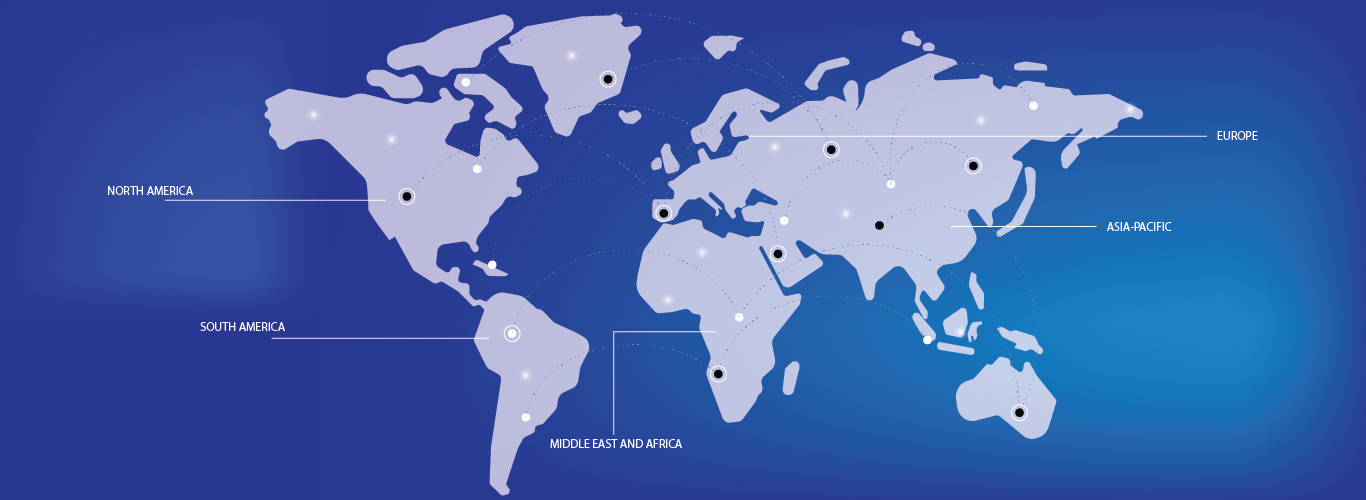
- Europe dominates the district heating market with the largest revenue share of 70.5% in 2024, characterized by well-established district heating networks, strong government initiatives, and a high focus on sustainable energy solutions
- Asia-Pacific is expected to be the fastest-growing region in the district heating market during the forecast period. This growth is attributed to rapid urbanization, increasing industrialization, rising disposable incomes, and growing investments in energy-efficient and sustainable heating solutions in countries such as China and South Korea
- The combined heat and power segment holds the largest market share of 69.4% in 2024 by plant type, driven by its exceptional energy efficiency in simultaneously generating both heat and electricity from a single energy source. CHP systems maximize energy utilization and reduce greenhouse gas emissions