- Endoscopic hemostasis devices, enabling precise control of gastrointestinal bleeding during minimally invasive procedures, are becoming essential tools in modern surgical and diagnostic endoscopy due to their clinical effectiveness, reduced procedural invasiveness, and compatibility with advanced endoscopic platforms
- The increasing global incidence of gastrointestinal bleeding, growing geriatric population, and expanding preference for minimally invasive treatments are key drivers accelerating the demand for endoscopic hemostasis solutions in hospitals and ambulatory care centers
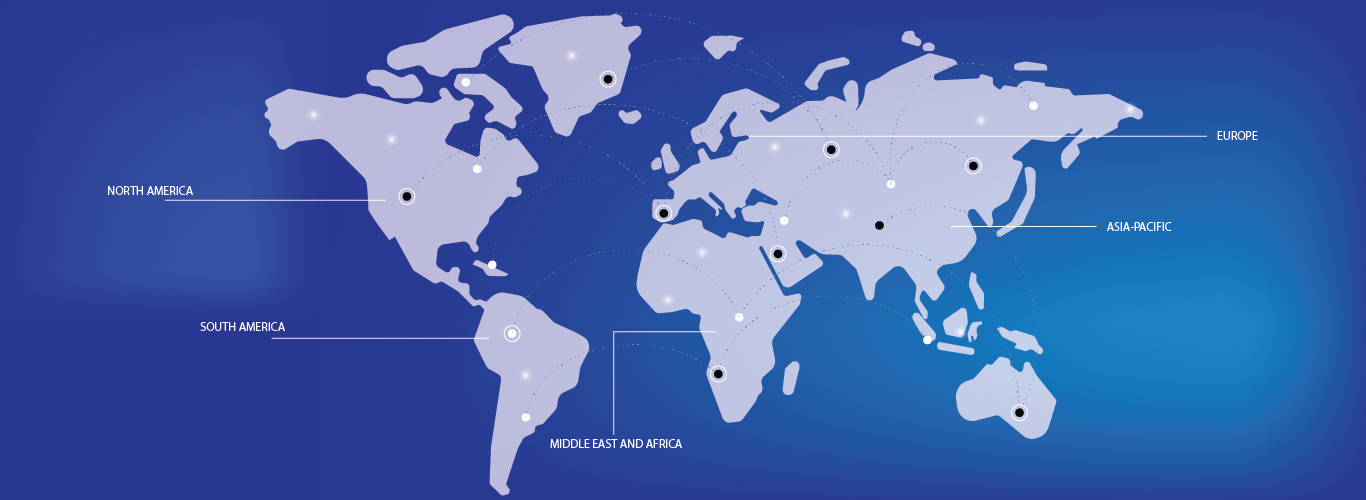
- North America dominated the endoscopic hemostasis devices (General Surgery) market with the largest revenue share of 39.2% in 2024, driven by widespread access to endoscopy services, favorable reimbursement structures, and the presence of major medical device companies innovating in hemostatic technologies, particularly in the U.S.
- Asia-Pacific is expected to be the fastest growing region in the endoscopic hemostasis devices (General Surgery) market during the forecast period due to rapidly improving healthcare infrastructure, rising awareness about GI disorders, and growing investments in advanced endoscopic equipment
- Argon Plasma Coagulation segment dominated the endoscopic hemostasis devices (General Surgery) market with a market share of 32.1% in 2024, driven by its non-contact coagulation capability, uniform tissue coverage, and high efficacy in managing diffuse or hard-to-reach gastrointestinal bleeding