- Energy drinks, offering quick energy boosts through stimulants such as caffeine, taurine, and B vitamins, are increasingly popular among athletes, students, and working professionals seeking enhanced physical and mental performance, with rising consumption in both developed and emerging markets due to urbanization and busy lifestyles
- The escalating demand for energy drinks is primarily fueled by growing health and fitness awareness, increasing participation in sports and physical activities, and the expanding millennial and Gen Z consumer base looking for convenient, functional beverages
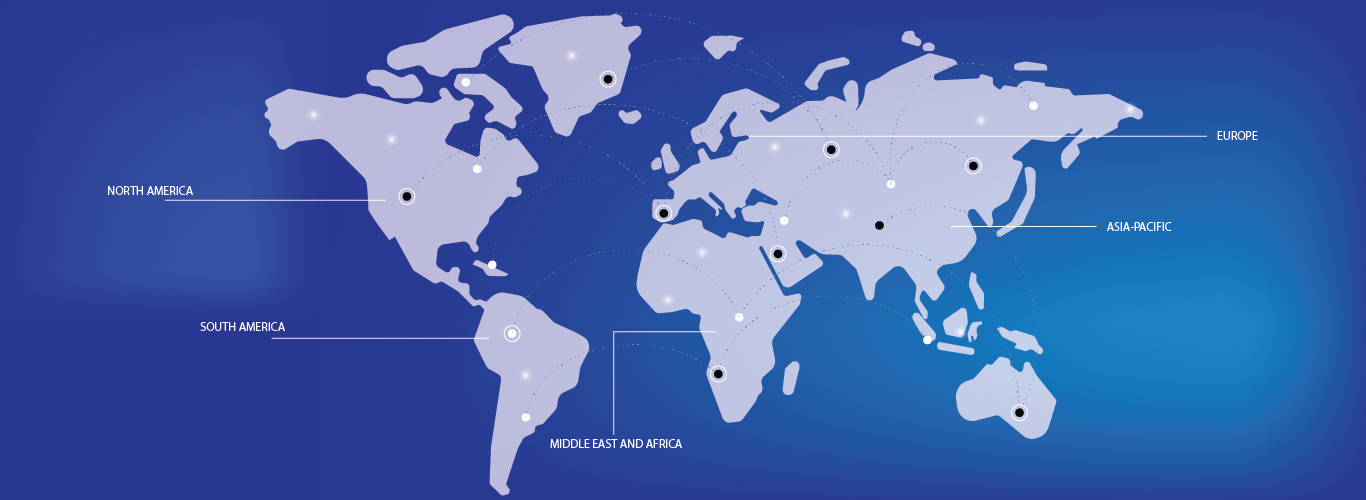
- North America dominates the energy drinks market with the largest revenue share of 38.6% in 2024, characterized by high brand visibility, strong marketing campaigns by leading players, and a growing shift towards zero-sugar and natural ingredient-based formulations, particularly in the U.S., where energy drinks are mainstream in gyms, convenience stores, and supermarkets
- Europe is expected to be the fastest growing region in the energy drinks market during the forecast period due to increasing health-consciousness, expanding fitness and sports culture, and the rapid proliferation of premium and organic energy drink brands tailored to diverse taste preferences and regulatory standards
- The non-alcoholic energy drinks segment is expected to dominate the energy drinks market with a market share of 76.4% in 2024, driven by its wide acceptance as a functional beverage for daily use, increasing availability in retail and online channels, and regulatory support for caffeine-limited formulations