Extruded Acrylic Market Analysis
- Extruded acrylic sheets are gaining widespread adoption across various sectors—including signage, automotive, architecture, and retail display—due to their superior optical clarity, lightweight nature, and excellent weather resistance. These sheets are particularly valued in applications requiring high impact strength, UV stability, and customizable aesthetics, driving sustained demand in both developed and emerging markets
- The increasing preference for recyclable and sustainable materials is pushing manufacturers toward eco-conscious production practices, including the use of bio-based resins and low-emission processes. As end-user industries seek durable, low-maintenance alternatives to glass and traditional plastics, extruded acrylic is emerging as a go-to solution for applications demanding long-term performance with minimal environmental impact
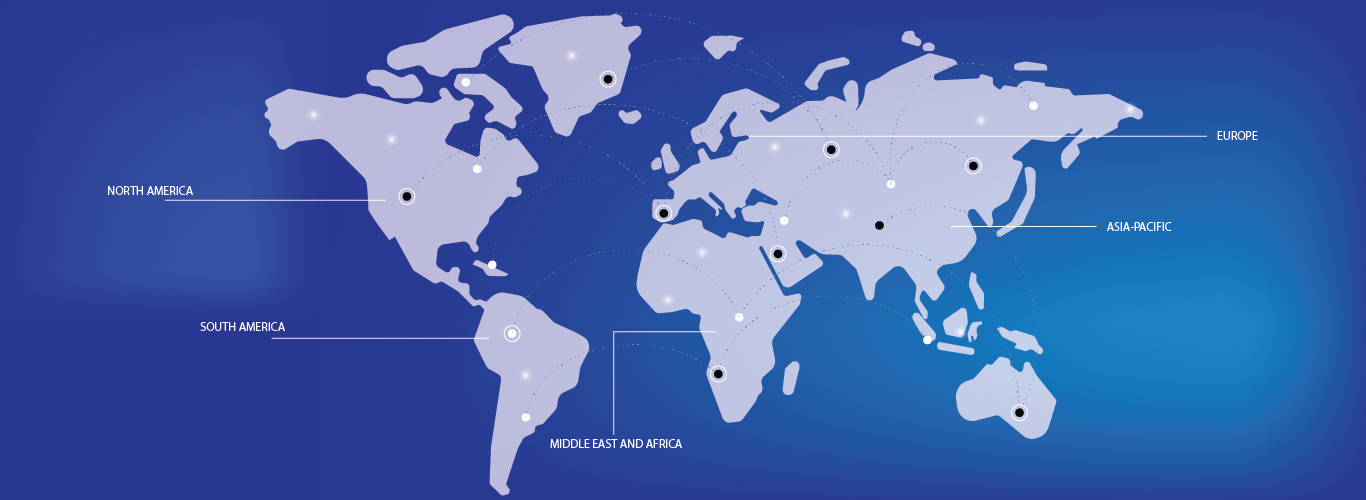
- North America leads the Extruded Acrylic Market, accounting for the largest revenue share of 38.01% in 2024, supported by robust demand in the advertising, construction, and automotive sectors. Stringent product quality standards and widespread adoption of acrylic-based materials in point-of-purchase displays, architectural glazing, and interior design are key growth drivers in the U.S. and Canada
- Asia-Pacific is projected to witness the fastest growth during the forecast period, propelled by rapid industrialization, urban infrastructure expansion, and increasing consumer demand for aesthetically appealing and durable materials in countries such as China, India, South Korea, and Indonesia. Regional investments in smart city development and digital signage are further amplifying market opportunities
- Among product types, clear extruded acrylic holds a significant market share, driven by its versatility and popularity in retail displays, protective barriers, and lighting fixtures. However, demand for colored and textured variants is accelerating, reflecting a broader trend toward customized, design-focused applications. Innovations in UV-resistant, anti-glare, and anti-scratch formulations are expected to unlock new commercial potential in the coming years.