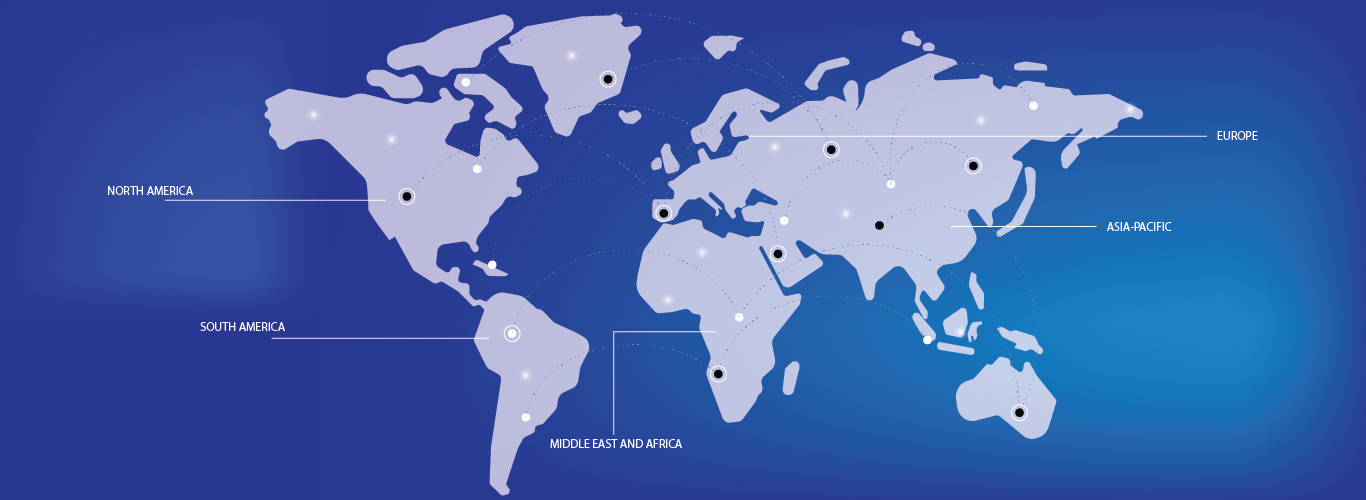
- The global flexible pipe market is expanding due to increased offshore oil and gas exploration. Flexible pipes are preferred in deepwater projects for their durability, corrosion resistance, and ease of installation. Demand is particularly high in regions such as the Gulf of Mexico, Brazil, and West Africa as a result of increased spending on offshore exploration and production spending
- Technological advancements in pipe materials, such as thermoplastics and composite reinforcements, have improved performance in high-pressure and corrosive environments. These innovations are driving adoption across energy and industrial sectors.
- However, high initial costs and complex installation processes act as restraints. Smaller companies face financial barriers, while regulatory compliance also adds pressure on manufacturers, slowing market penetration.
- Emerging opportunities lie in renewable energy and infrastructure projects in Asia-Pacific and Latin America. As these regions industrialize rapidly, flexible pipes are gaining traction in water management, energy transmission, and industrial applications.
- High-density polyethylene dominated the market with a revenue share of more than 45% in 2024 and is further expected to grow at a significant rate over the forecast period. This domination is attributed to the to its excellent strength-to-density ratio, resistance to corrosion, and cost-effectiveness. It is widely utilized in various applications, particularly in the oil and gas sector, where it can withstand high pressures and harsh environmental conditions.