- A food storage container stores food products in the freezer or refrigerator at room temperature. Various options are available for storing food products, such as bottles and jars, cans, bags, cups and tubs, and boxes. Before choosing the right type of container, numerous factors must be taken into consideration. Considering the kind of storage, such as storage at room temperature, refrigerated, or frozen, the length of storage, the type of food, and the amount of storage space
- The escalating demand for food storage containers is primarily fueled by changing consumer lifestyles, the surge in packaged and convenience food consumption, and increasing emphasis on sustainable, reusable, and waste-reducing packaging solutions
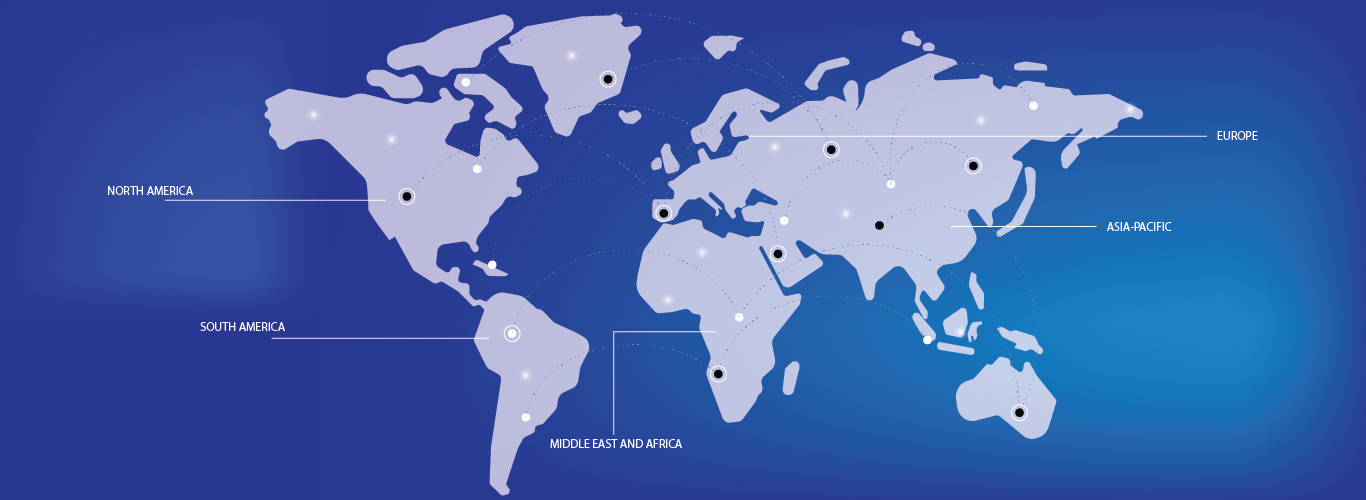
- Asia-Pacific dominated the food storage container market with a share of 36.76% in 2024, due to high food production volumes, rapid urbanization, and expanding foodservice sectors
- North America is expected to be the fastest growing region in the food storage container market during the forecast period due to rising demand for sustainable, functional, and aesthetically appealing food packaging in retail and meal delivery services
- Plastic segment dominated the market with a market share of 49.1% in 2024, due to its cost-effectiveness, lightweight properties, and high versatility in shaping and sealing. Plastic containers are widely used across foodservice and household sectors because they offer excellent moisture resistance, durability, and compatibility with both rigid and flexible packaging formats. Their microwave-safe variants and clear visibility also enhance consumer convenience and appeal