- Food Traceability, offering electronic or digital access control for doors and gates, are increasingly vital components of modern home security and automation systems in both residential and commercial settings due to their enhanced convenience, remote access capabilities, and seamless integration with smart home ecosystems
- The escalating demand for food traceability is primarily fueled by the widespread adoption of smart home technologies, growing security concerns among consumers, and a rising preference for the convenience of keyless entry
- Advancements in AI, IoT connectivity, and voice control integration are further shaping product innovation, enhancing user experience, and driving market expansion globally
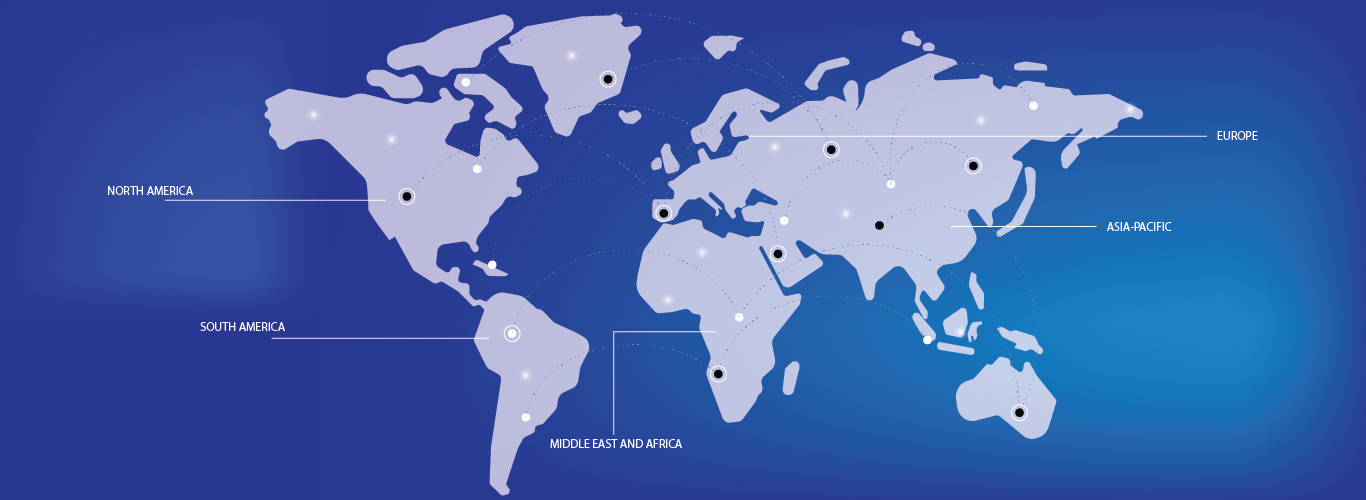
- North America dominated the food traceability market with the largest revenue share of 38.21% in 2024, driven by the presence of a well-established food supply chain and strict regulatory compliance regarding food safety
- Asia-Pacific food traceability market is poised to grow at the fastest CAGR of 11.12% from 2025 to 2032, driven by increasing food safety concerns, growing middle-class populations, and digitalization efforts in countries such as China, India, and Japan
- The RFID segment dominated the food traceability market with the largest market revenue share of 39.5% in 2024, owing to its ability to enable real-time data collection, rapid scanning, and non-contact tracking across the supply chain