- Hematologic malignancies include cancers that affect the blood, bone marrow, lymph nodes, and spleen. The market for treatments and diagnostics of hematologic malignancies is driven by various factors, including the increasing prevalence of blood cancers, advancements in medical technologies, and improved awareness and diagnosis
- The demand for hematologic malignancy treatments is significantly influenced by the rising incidence of blood cancers globally, particularly leukemia, lymphoma, and multiple myeloma. Advances in diagnostic tools and therapies have played a key role in both improving survival rates and increasing the number of patients seeking treatment. These cancers are especially prevalent among older populations, which is fueling demand for therapies
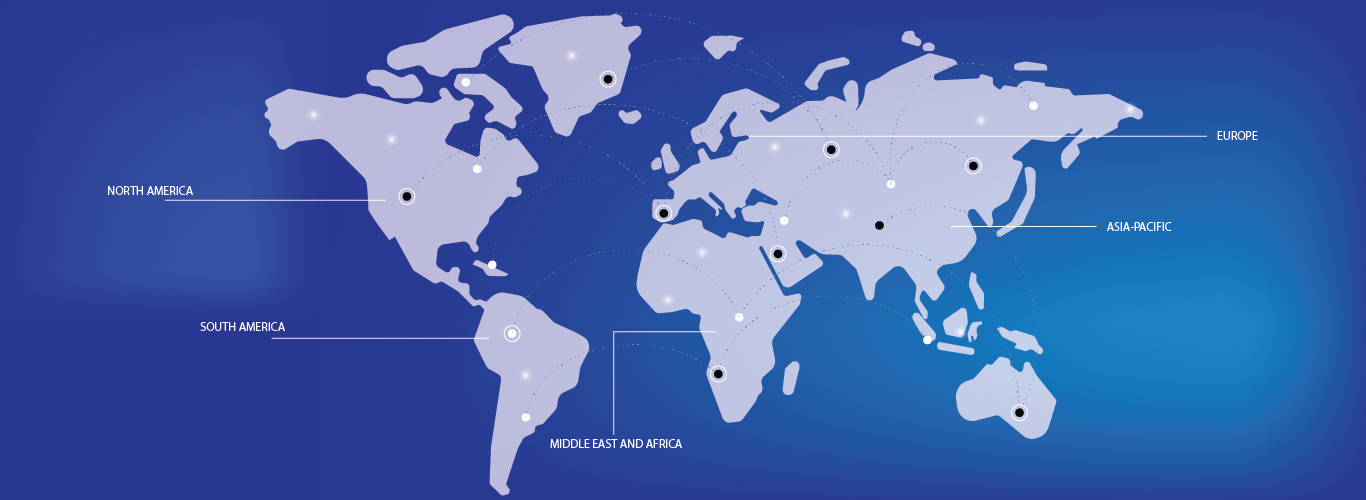
- North America stands out as a dominant region in the global hematologic malignancies market, driven by its advanced healthcare infrastructure, high adoption of cutting-edge technologies, and substantial investments in research and development. In particular, the U.S. has witnessed a steady increase in the number of patients diagnosed with blood cancers, leading to a growing demand for advanced therapies such as CAR-T cell therapies, targeted therapies, and monoclonal antibodies
- Hematologic malignancy treatments are among the most complex and costly in oncology, with immunotherapies such as CAR-T being highly effective but also expensive. This is prompting healthcare systems to adjust to the rising demand for blood cancer treatments by increasing their budget allocation for specialized therapies
- The global hematologic malignancies market continues to grow rapidly, driven by an aging population, greater awareness, improved diagnostic capabilities, and groundbreaking treatments. The market’s future outlook is positive, with ongoing advancements in genetic profiling, immunotherapy, and targeted drugs