


Hyperlipidemia Market Size
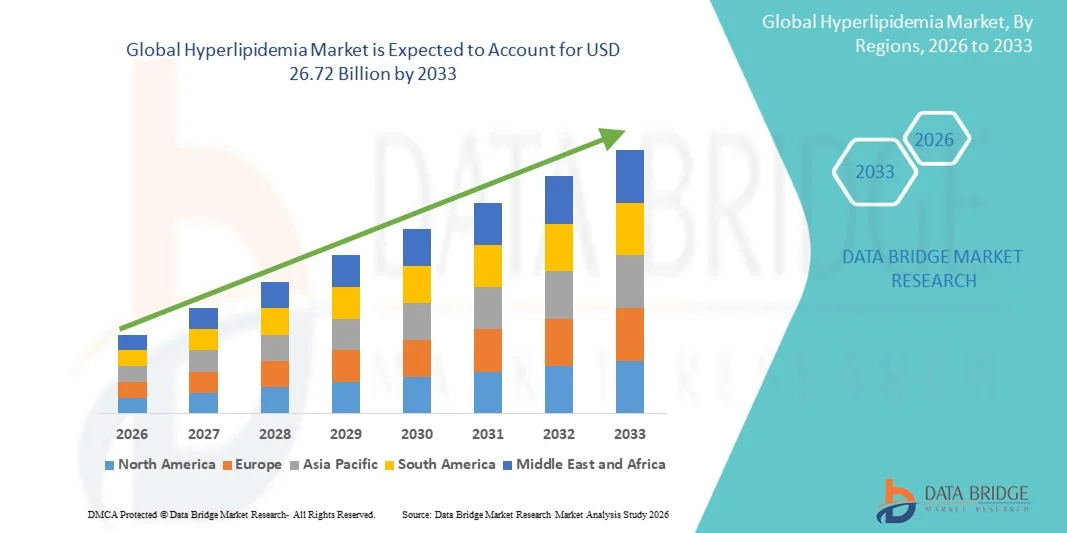
- The global Hyperlipidemia market size was valued at USD 21.26 billion in 2025 and is expected to reach USD 26.72 billion by 2033, at a CAGR of 2.90% during the forecast period
- The market growth is largely fueled by the increasing prevalence of sedentary lifestyles, obesity, and cardiovascular disorders, leading to rising demand for effective lipid-lowering therapies and preventive healthcare solutions across global healthcare systems
- Furthermore, growing awareness regarding cholesterol management, increasing adoption of advanced lipid-lowering drugs, and rising focus on preventive cardiology are establishing innovative therapeutics as the preferred treatment approach for Hyperlipidemia. These converging factors are accelerating the uptake of Hyperlipidemia treatment solutions, thereby significantly boosting the industry’s growth
Hyperlipidemia Market Analysis
- Hyperlipidemia therapeutics are increasingly vital in preventive cardiovascular care and chronic disease management across hospitals, clinics, and homecare settings due to their effectiveness in lowering cholesterol levels and reducing the risk of heart-related complications
- The escalating demand for Hyperlipidemia treatments is primarily fueled by the rising prevalence of obesity, diabetes, cardiovascular diseases, and unhealthy lifestyle habits, along with growing awareness regarding cholesterol management and preventive healthcare
- North America dominated the Hyperlipidemia market with the largest revenue share of 44.3% in 2025, characterized by advanced healthcare infrastructure, high adoption of lipid-lowering therapies, and a strong presence of leading pharmaceutical companies, with the U.S. experiencing substantial growth in the use of statins and PCSK9 inhibitors driven by increasing cardiovascular disease burden and favorable reimbursement policies
- Asia-Pacific is expected to be the fastest growing region in the Hyperlipidemia market during the forecast period due to increasing healthcare expenditure, rising awareness regarding preventive cardiology, and growing prevalence of lifestyle-related disorders
- The oral segment accounted for the largest market revenue share of 71.3% in 2025, driven by the widespread availability and convenience of orally administered lipid-lowering medications such as statins, fibrates, and cholesterol absorption inhibitors
Report Scope and Hyperlipidemia Market Segmentation
|
Attributes |
Hyperlipidemia Key Market Insights |
|
Segments Covered |
|
|
Countries Covered |
North America
Europe
Asia-Pacific
Middle East and Africa
South America
|
|
Key Market Players |
• Pfizer Inc. (U.S.) |
|
Market Opportunities |
|
|
Value Added Data Infosets |
In addition to the insights on market scenarios such as market value, growth rate, segmentation, geographical coverage, and major players, the market reports curated by the Data Bridge Market Research also include in-depth expert analysis, patient epidemiology, pipeline analysis, pricing analysis, and regulatory framework. |
Hyperlipidemia Market Trends
“Increasing Focus on Combination Therapies and Personalized Lipid Management”
- A significant and rapidly evolving trend in the global Hyperlipidemia market is the increasing focus on combination therapies and personalized lipid management approaches aimed at improving cardiovascular outcomes and long-term patient care
- Pharmaceutical companies and healthcare providers are increasingly adopting advanced treatment strategies that combine statins with newer lipid-lowering therapies such as PCSK9 inhibitors, bempedoic acid, and omega-3 fatty acid formulations to achieve better cholesterol control in high-risk patients
- For instance, several companies are expanding research and development activities for next-generation lipid-lowering drugs targeting LDL cholesterol, triglycerides, and other cardiovascular risk factors associated with hyperlipidemia
- The growing adoption of precision medicine and biomarker-based treatment approaches is enabling healthcare professionals to tailor therapies according to individual patient risk profiles, genetic predispositions, and treatment responses, thereby improving therapeutic effectiveness
- Furthermore, advancements in diagnostic technologies, digital health monitoring, and preventive cardiovascular screening programs are supporting early detection and continuous management of hyperlipidemia among patients globally
- The increasing integration of lifestyle management programs, dietary counseling, and preventive healthcare initiatives alongside pharmaceutical therapies is also transforming the overall treatment landscape for hyperlipidemia
- This trend toward personalized care, advanced lipid-lowering therapies, and preventive cardiovascular management is significantly reshaping treatment strategies and improving patient outcomes across global healthcare systems
Hyperlipidemia Market Dynamics
Driver
“Growing Need Due to Rising Cardiovascular Disease Burden and Sedentary Lifestyles”
- The increasing prevalence of cardiovascular diseases, obesity, diabetes, and sedentary lifestyles worldwide is a major factor driving the growth of the global Hyperlipidemia market
- Rising consumption of unhealthy diets rich in saturated fats, increasing alcohol consumption, smoking habits, and reduced physical activity levels are contributing significantly to elevated cholesterol levels and lipid disorders among both adult and aging populations
- For instance, growing awareness regarding the importance of cholesterol management and preventive cardiovascular healthcare is encouraging patients to seek early diagnosis and long-term treatment for hyperlipidemia. In addition, increasing healthcare expenditure and expanded screening programs are supporting market growth during the forecast period
- Furthermore, advancements in lipid-lowering therapies such as statins, PCSK9 inhibitors, fibrates, and combination drugs are improving treatment effectiveness and reducing the risk of heart attacks, strokes, and other cardiovascular complications
- The growing aging population, which is more susceptible to chronic metabolic and cardiovascular conditions, is also increasing the demand for long-term lipid management therapies globally
- In addition, supportive government health initiatives, expanding insurance coverage for chronic disease treatments, and increasing patient awareness regarding preventive healthcare are further contributing to the expansion of the Hyperlipidemia market
Restraint/Challenge
“High Treatment Costs and Medication Adherence Challenges”
- The high cost associated with advanced lipid-lowering therapies, particularly biologics such as PCSK9 inhibitors and novel combination treatments, remains a significant challenge restraining the broader growth of the Hyperlipidemia market
- Many patients with chronic hyperlipidemia require lifelong treatment and continuous monitoring, creating financial burdens for individuals and healthcare systems, especially in low- and middle-income countries
- For instance, newer cholesterol-lowering therapies and injectable biologic drugs may involve significantly higher costs compared to traditional statin therapies, limiting accessibility among cost-sensitive patient populations
- In addition, medication non-adherence caused by side effects, long treatment durations, and lack of awareness regarding disease severity continues to hinder optimal treatment outcomes in hyperlipidemia management
- Furthermore, limited access to preventive healthcare services, delayed diagnosis, and insufficient routine cholesterol screening in certain regions can restrict timely treatment initiation and disease management
- The increasing concerns regarding adverse effects associated with some lipid-lowering drugs, including muscle-related complications and liver-related side effects, may also discourage patient compliance with prescribed therapies
- Addressing these challenges through affordable treatment options, improved patient education, expanded screening programs, and the development of safer and more effective therapies will be essential for sustaining long-term growth in the global Hyperlipidemia market
Hyperlipidemia Market Scope
The market is segmented on the basis of type, treatment, route of administration, end-users, and distribution channel.
• By Type
On the basis of type, the Hyperlipidemia market is segmented into familial and acquired. The acquired segment dominated the largest market revenue share of 68.4% in 2025, driven by the rising prevalence of unhealthy dietary habits, sedentary lifestyles, obesity, and increasing incidences of diabetes and cardiovascular diseases worldwide. Acquired hyperlipidemia is significantly more common than inherited forms, particularly among the aging population and individuals with metabolic disorders. The growing consumption of processed foods high in saturated fats and cholesterol is further contributing to the increasing patient pool globally. In addition, rising awareness regarding cholesterol management and the growing number of routine lipid profile screenings are supporting early diagnosis and treatment adoption. Healthcare providers are increasingly prescribing lipid-lowering therapies for acquired hyperlipidemia to reduce the risk of cardiovascular complications and stroke. Favorable government initiatives promoting preventive healthcare and cardiovascular disease management are also strengthening market demand. Furthermore, continuous advancements in lipid-lowering drugs and increasing accessibility to long-term treatment solutions continue to support the dominance of this segment.
The familial segment is anticipated to witness the fastest growth rate with a CAGR of 21.9% from 2026 to 2033, fueled by increasing awareness regarding genetic lipid disorders and advancements in diagnostic testing technologies. Familial hyperlipidemia cases are increasingly being identified at earlier stages due to growing adoption of genetic screening programs and improved clinical understanding of inherited cardiovascular risks. Rising healthcare investments in precision medicine and targeted therapies are further accelerating segment expansion globally. Pharmaceutical companies are increasingly focusing on the development of innovative biologics and PCSK9 inhibitors specifically targeting inherited cholesterol disorders. In addition, growing awareness campaigns by healthcare organizations regarding early familial hyperlipidemia diagnosis and management are supporting treatment adoption. The expansion of specialized cardiovascular and lipid disorder clinics is also expected to contribute significantly to market growth during the forecast period.
• By Treatment
On the basis of treatment, the Hyperlipidemia market is segmented into statins, PCSK9 inhibitors, bile acid sequestrants, cholesterol absorption inhibitors, fibric acid derivatives, combination, and others. The statins segment held the largest market revenue share of 47.6% in 2025, driven by their widespread clinical use as the primary treatment option for lowering low-density lipoprotein cholesterol (LDL-C) levels. Statins remain the standard of care for hyperlipidemia management due to their proven efficacy in reducing cardiovascular risks and preventing heart-related complications. Physicians frequently prescribe statins because of their affordability, established safety profile, and broad availability across healthcare systems globally. Increasing prevalence of cardiovascular diseases and rising adoption of preventive lipid-lowering therapies are further contributing to segment dominance. In addition, favorable clinical guidelines recommending statins as first-line therapy for cholesterol management continue to support strong market demand. Pharmaceutical companies are also introducing advanced statin formulations with improved efficacy and reduced side effects, further strengthening segment growth. Rising awareness regarding cholesterol monitoring and preventive cardiac care is expected to continue driving adoption globally.
The PCSK9 inhibitors segment is expected to witness the fastest CAGR of 23.2% from 2026 to 2033, driven by the increasing demand for advanced biologic therapies for patients with severe or treatment-resistant hyperlipidemia. PCSK9 inhibitors provide substantial LDL cholesterol reduction and are increasingly utilized for high-risk cardiovascular patients who do not achieve target lipid levels with statins alone. Growing clinical evidence supporting the effectiveness of PCSK9 inhibitors in reducing cardiovascular events is significantly contributing to segment expansion. In addition, rising adoption of personalized medicine approaches and advancements in biologic drug development are supporting increased market penetration. Healthcare providers are increasingly recommending PCSK9 inhibitors for familial hyperlipidemia patients and individuals with statin intolerance. Expanding reimbursement coverage for specialty lipid-lowering biologics and increasing investments in cardiovascular therapeutics are further expected to accelerate segment growth globally.
• By Route of Administration
On the basis of route of administration, the Hyperlipidemia market is segmented into oral, parenteral, and others. The oral segment accounted for the largest market revenue share of 71.3% in 2025, driven by the widespread availability and convenience of orally administered lipid-lowering medications such as statins, fibrates, and cholesterol absorption inhibitors. Oral medications are highly preferred by patients due to ease of administration, long-term compliance, and reduced dependency on hospital-based treatment. Physicians also favor oral therapies because they offer flexible dosing and effective chronic disease management for cardiovascular risk reduction. Increasing prevalence of hyperlipidemia and rising awareness regarding preventive cholesterol management are significantly supporting segment growth globally. In addition, pharmaceutical manufacturers continue to invest in advanced oral formulations with enhanced efficacy and minimized adverse effects. Favorable reimbursement policies and broad accessibility of oral lipid-lowering drugs through retail pharmacies further contribute to segment dominance. The growing aging population and increasing incidence of obesity-related disorders are also expected to sustain strong demand for oral therapies during the forecast period.
The parenteral segment is anticipated to witness the fastest CAGR of 22.4% from 2026 to 2033, fueled by the increasing use of injectable biologics such as PCSK9 inhibitors for advanced lipid management. Parenteral therapies offer targeted therapeutic action and improved efficacy for patients with severe hyperlipidemia and high cardiovascular risk. Rising adoption of biologic therapies and advancements in monoclonal antibody development are significantly contributing to segment expansion globally. Healthcare professionals increasingly recommend injectable lipid-lowering therapies for patients who are unresponsive or intolerant to conventional oral medications. In addition, growing investments in specialty cardiovascular therapeutics and personalized medicine are supporting broader adoption of parenteral treatments. Improvements in healthcare infrastructure and increasing accessibility to specialty infusion and injectable treatment services are also expected to contribute to market growth during the forecast period.
• By End-Users
On the basis of end-users, the Hyperlipidemia market is segmented into hospitals, specialty clinics, homecare, and others. The hospitals segment dominated the largest market revenue share of 45.8% in 2025, driven by the availability of advanced cardiovascular diagnostic facilities, multidisciplinary healthcare professionals, and comprehensive patient management services. Hospitals remain the primary centers for diagnosing and treating severe hyperlipidemia cases and associated cardiovascular complications. Increasing hospital admissions related to heart disease, obesity, and metabolic disorders are significantly contributing to segment growth. In addition, hospitals are the leading providers of advanced lipid management therapies, including biologics and combination treatment regimens requiring continuous patient monitoring. Government investments in healthcare infrastructure and expansion of cardiovascular care facilities are also strengthening market demand. Hospitals frequently participate in clinical trials and preventive healthcare initiatives focused on cholesterol management and cardiovascular risk reduction. Furthermore, the availability of advanced laboratory testing and lipid profiling technologies further supports the dominance of this segment globally.
The specialty clinics segment is expected to witness the fastest CAGR of 21.1% from 2026 to 2033, driven by the increasing demand for specialized cardiovascular and metabolic disorder management services. Specialty clinics provide focused expertise in lipid disorders, enabling faster diagnosis, personalized treatment planning, and continuous patient monitoring. Rising preference for outpatient care settings and shorter waiting times are contributing to increased patient adoption globally. In addition, specialty clinics offer cost-effective management solutions and easier accessibility to lipid specialists and cardiologists. Technological advancements in cholesterol testing and increasing awareness regarding preventive cardiac care are further supporting market growth. The expansion of private cardiovascular clinics and specialized metabolic care centers is also expected to accelerate the adoption of specialty clinic services during the forecast period.
• By Distribution Channel
On the basis of distribution channel, the Hyperlipidemia market is segmented into hospital pharmacy, retail pharmacy, online pharmacy, and others. The retail pharmacy segment held the largest market revenue share of 51.6% in 2025, driven by the high volume of long-term prescriptions for lipid-lowering medications and easy accessibility of cholesterol management drugs. Retail pharmacies play a crucial role in ensuring continuous availability of statins, fibrates, and combination therapies for chronic disease management. Patients commonly prefer retail pharmacies due to convenience, widespread geographic presence, and availability of affordable generic medications. Increasing awareness regarding preventive cardiovascular healthcare and rising demand for long-term lipid management therapies are significantly supporting segment growth. In addition, collaborations between pharmaceutical companies and retail pharmacy chains are improving medication accessibility and strengthening distribution networks globally. Favorable insurance coverage for commonly prescribed cholesterol-lowering drugs is also contributing to market expansion. The increasing aging population and rising prevalence of lifestyle-related cardiovascular disorders are further expected to drive strong demand for retail pharmacy services during the forecast period.
The online pharmacy segment is anticipated to witness the fastest CAGR of 24.1% from 2026 to 2033, fueled by the rapid expansion of digital healthcare platforms and increasing consumer preference for convenient medicine purchasing channels. Online pharmacies provide benefits such as home delivery, discounted pricing, subscription refill services, and improved accessibility to long-term medications. Rising internet penetration and smartphone adoption are significantly contributing to the expansion of e-pharmacy services worldwide. Patients increasingly prefer online platforms for repeat prescription purchases due to convenience and reduced travel requirements. In addition, supportive regulatory frameworks for telemedicine and digital healthcare ecosystems are accelerating market growth globally. Improvements in secure digital payment systems and pharmaceutical logistics infrastructure are also supporting broader adoption of online pharmacy services during the forecast period.
Hyperlipidemia Market Regional Analysis
- North America dominated the hyperlipidemia market with the largest revenue share of 44.3% in 2025, characterized by advanced healthcare infrastructure, high adoption of lipid-lowering therapies, and a strong presence of leading pharmaceutical companies. The region is witnessing substantial growth in the use of statins and PCSK9 inhibitors, driven by the increasing burden of cardiovascular diseases and favorable reimbursement policies supporting long-term treatment adoption
- Rising awareness regarding cholesterol management, growing emphasis on preventive healthcare, and increasing screening initiatives for cardiovascular risk factors are further contributing to market growth across North America. In addition, the availability of advanced treatment options and strong clinical research activities are accelerating the adoption of innovative therapies for hyperlipidemia management
- The widespread presence of specialized healthcare facilities, supportive government initiatives, and growing investments in cardiovascular research continue to strengthen the region’s leadership position in the Hyperlipidemia market
U.S. Hyperlipidemia Market Insight
The U.S. hyperlipidemia market captured the largest revenue share in 2025 within North America, fueled by the high prevalence of obesity, diabetes, and cardiovascular disorders among the population. The country is experiencing significant growth in the adoption of statins, PCSK9 inhibitors, and combination lipid-lowering therapies, supported by strong healthcare spending and favorable insurance coverage policies. Furthermore, increasing awareness regarding preventive cardiology, expanding clinical research activities, and the presence of major pharmaceutical manufacturers are contributing substantially to market expansion in the U.S.
Europe Hyperlipidemia Market Insight
The Europe hyperlipidemia market is projected to expand at a substantial CAGR throughout the forecast period, primarily driven by increasing awareness regarding cardiovascular health and rising demand for effective cholesterol-lowering therapies. The region benefits from advanced healthcare systems, favorable government healthcare initiatives, and increasing adoption of preventive treatment approaches. In addition, growing emphasis on early diagnosis and management of lipid disorders is supporting the widespread use of innovative therapeutics across Europe.
U.K. Hyperlipidemia Market Insight
The U.K. hyperlipidemia market is anticipated to grow at a noteworthy CAGR during the forecast period, driven by increasing prevalence of cardiovascular diseases and growing awareness regarding cholesterol management. The country’s strong healthcare infrastructure and expanding adoption of preventive healthcare programs are encouraging the use of lipid-lowering medications. Moreover, favorable reimbursement frameworks and increasing focus on reducing cardiovascular mortality rates are expected to further stimulate market growth in the U.K.
Germany Hyperlipidemia Market Insight
The Germany hyperlipidemia market is expected to expand at a considerable CAGR during the forecast period, fueled by rising healthcare expenditure and increasing focus on preventive cardiology. Germany’s advanced pharmaceutical industry and strong emphasis on medical innovation are supporting the adoption of advanced lipid-lowering therapies, including biologics and combination treatments. Furthermore, increasing patient awareness regarding cardiovascular risk management and the availability of specialized healthcare services are contributing to market growth in the country.
Asia-Pacific Hyperlipidemia Market Insight
The Asia-Pacific hyperlipidemia market is expected to be the fastest growing region during the forecast period due to increasing healthcare expenditure, rising awareness regarding preventive cardiology, and growing prevalence of lifestyle-related disorders. Rapid urbanization, changing dietary habits, and sedentary lifestyles in countries such as China, Japan, and India are significantly contributing to the rising incidence of hyperlipidemia. In addition, improving healthcare infrastructure, expanding access to lipid-lowering therapies, and growing government initiatives promoting cardiovascular health are driving strong market growth across the region.
Japan Hyperlipidemia Market Insight
The Japan hyperlipidemia market is gaining momentum due to the country’s aging population, increasing prevalence of cardiovascular conditions, and strong focus on preventive healthcare. Japan’s advanced healthcare infrastructure and growing adoption of innovative lipid-lowering therapies are supporting market expansion. Moreover, rising awareness regarding healthy lifestyle management and increasing demand for long-term cholesterol control therapies are contributing significantly to the growth of the market in Japan.
China Hyperlipidemia Market Insight
The China hyperlipidemia market accounted for the largest market revenue share in Asia-Pacific in 2025, attributed to the country’s rapidly growing population affected by obesity, diabetes, and cardiovascular disorders. China is witnessing increasing adoption of cholesterol-lowering therapies due to rising healthcare awareness and expanding access to advanced treatment options. In addition, growing healthcare expenditure, improving diagnostic capabilities, and strong government initiatives aimed at reducing cardiovascular disease burden are key factors propelling market growth in the country.
Hyperlipidemia Market Share
The Hyperlipidemia industry is primarily led by well-established companies, including:
• Pfizer Inc. (U.S.)
• AstraZeneca (U.K.)
• Merck & Co., Inc. (U.S.)
• Novartis AG (Switzerland)
• Amgen Inc. (U.S.)
• Sanofi (France)
• Eli Lilly and Company (U.S.)
• Bristol Myers Squibb (U.S.)
• AbbVie Inc. (U.S.)
• Regeneron Pharmaceuticals, Inc. (U.S.)
• Daiichi Sankyo Company, Limited (Japan)
• Esperion Therapeutics, Inc. (U.S.)
• Kowa Company, Ltd. (Japan)
• Viatris Inc. (U.S.)
• Teva Pharmaceutical Industries Ltd. (Israel)
• Sun Pharmaceutical Industries Ltd. (India)
• Dr. Reddy’s Laboratories Ltd. (India)
• Lupin Limited (India)
• Cipla Limited (India)
• Bayer AG (Germany)
Latest Developments in Global Hyperlipidemia Market
- In February 2021, Regeneron Pharmaceuticals announced that the U.S. Food and Drug Administration (FDA) approved EVKEEZA (evinacumab-dgnb) as the first angiopoietin-like 3 (ANGPTL3) inhibitor for the treatment of homozygous familial hypercholesterolemia (HoFH). The therapy was developed to significantly reduce low-density lipoprotein cholesterol (LDL-C) levels in patients with severe inherited hyperlipidemia
- In December 2021, Novartis announced that the FDA approved Leqvio (inclisiran), the first small interfering RNA (siRNA) therapy for lowering LDL cholesterol with a twice-yearly dosing schedule. The launch represented a major advancement in long-term cholesterol management for patients with atherosclerotic cardiovascular disease and familial hypercholesterolemia
- In July 2023, Novartis announced that the FDA approved an expanded indication for Leqvio® (inclisiran) to include adults with high LDL-C who are at increased risk of heart disease, enabling broader use of the therapy in primary hyperlipidemia management. The approval strengthened the role of RNA-based therapies in the global hyperlipidemia treatment landscape
- In March 2024, Esperion Therapeuticsn announced that the FDA approved expanded label indications for NEXLETOL (bempedoic acid) and NEXLIZET for cardiovascular risk reduction and LDL-C lowering in both primary and secondary prevention patients. The updated labeling broadened the use of non-statin lipid-lowering therapies for hyperlipidemia management
- In July 2025, Novartis announced that the FDA approved a new label update for Leqvio (inclisiran), allowing its use as monotherapy along with diet and exercise for reducing LDL-C in adults with hypercholesterolemia. The updated indication removed the previous requirement for concomitant statin therapy, expanding treatment flexibility for patients intolerant to statins

- Interactive Data Analysis Dashboard
- Company Analysis Dashboard for high growth potential opportunities
- Research Analyst Access for customization & queries
- Competitor Analysis with Interactive dashboard
- Latest News, Updates & Trend analysis
- Harness the Power of Benchmark Analysis for Comprehensive Competitor Tracking
Data collection and base year analysis are done using data collection modules with large sample sizes. The stage includes obtaining market information or related data through various sources and strategies. It includes examining and planning all the data acquired from the past in advance. It likewise envelops the examination of information inconsistencies seen across different information sources. The market data is analysed and estimated using market statistical and coherent models. Also, market share analysis and key trend analysis are the major success factors in the market report. To know more, please request an analyst call or drop down your inquiry.
The key research methodology used by DBMR research team is data triangulation which involves data mining, analysis of the impact of data variables on the market and primary (industry expert) validation. Data models include Vendor Positioning Grid, Market Time Line Analysis, Market Overview and Guide, Company Positioning Grid, Patent Analysis, Pricing Analysis, Company Market Share Analysis, Standards of Measurement, Global versus Regional and Vendor Share Analysis. To know more about the research methodology, drop in an inquiry to speak to our industry experts.
Data Bridge Market Research is a leader in advanced formative research. We take pride in servicing our existing and new customers with data and analysis that match and suits their goal. The report can be customized to include price trend analysis of target brands understanding the market for additional countries (ask for the list of countries), clinical trial results data, literature review, refurbished market and product base analysis. Market analysis of target competitors can be analyzed from technology-based analysis to market portfolio strategies. We can add as many competitors that you require data about in the format and data style you are looking for. Our team of analysts can also provide you data in crude raw excel files pivot tables (Fact book) or can assist you in creating presentations from the data sets available in the report.












