- Hypopigmentation disorder treatments, including topical medications, laser therapies, and surgical options, are becoming increasingly essential in dermatological and cosmetic settings due to rising concerns over skin tone uniformity and appearance. These treatments are widely adopted in both clinical dermatology and aesthetic practices owing to their effectiveness and convenience
- The increasing demand for hypopigmentation therapies is primarily driven by the growing incidence of conditions such as vitiligo, albinism, and post-inflammatory hypopigmentation, alongside greater public awareness and willingness to seek treatment for skin discoloration
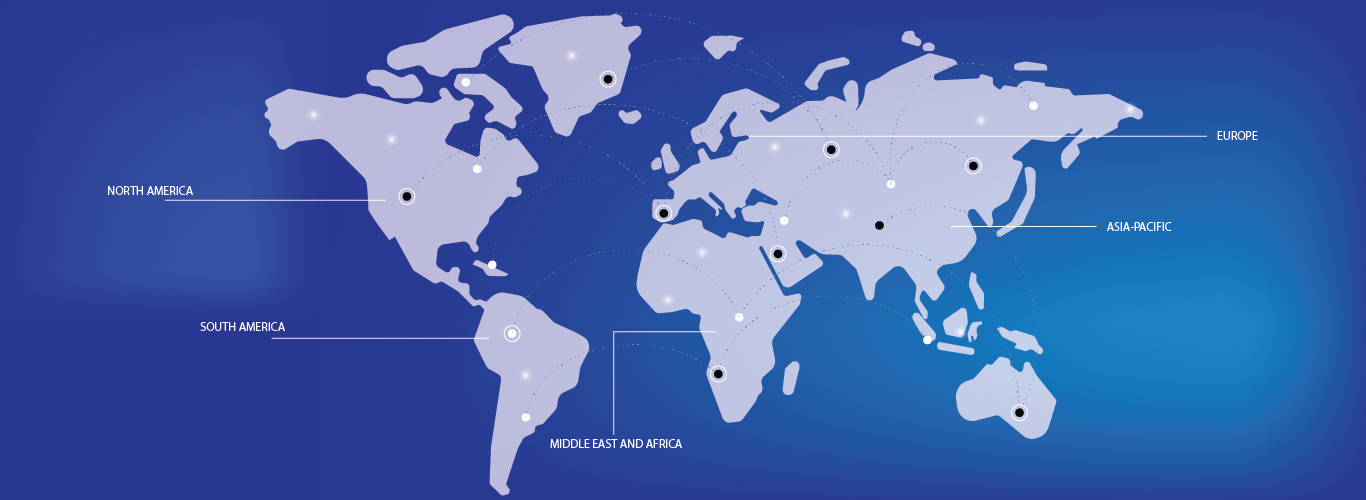
- North America dominated the hypopigmentation disorder treatment market with the largest revenue share of 42.7% in 2024, attributed to high healthcare spending, early adoption of advanced dermatological procedures, and the presence of leading pharmaceutical and cosmetic companies. The U.S. accounted for the majority of this share due to increased access to skin care specialists, robust insurance coverage, and a growing demand for aesthetic treatments
- Asia-Pacific is expected to be the fastest-growing region in the hypopigmentation disorder treatment, projected to grow at a CAGR of 9.8% from 2025 to 2032, driven by increasing awareness, urbanization, and the expanding availability of cost-effective treatment options in countries such as India, China, and Japan
- Vitiligo segment accounted for the largest market share of 53.7% in 2024, due to its high prevalence and visibility on the skin, which often prompts individuals to seek medical treatment. A growing pipeline of novel therapies and awareness campaigns are also boosting treatment rates. The segment benefits from increased research focus, with companies and academic institutions actively developing biologics and combination therapies