


Kearns-Sayre Syndrome Market Size
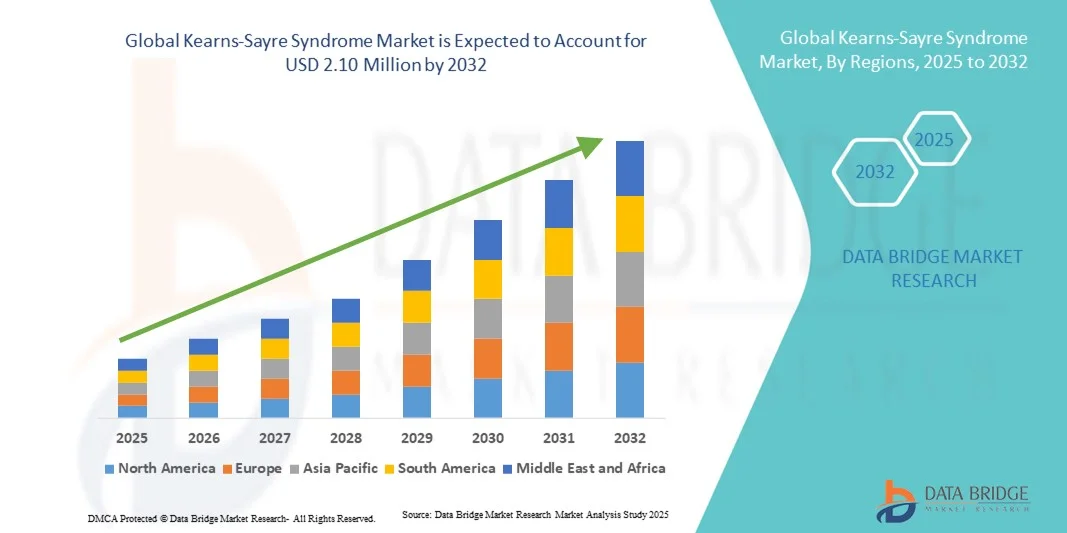
- The global Kearns-Sayre Syndrome market size was valued at USD 1.60 million in 2024 and is expected to reach USD 2.10 million by 2032, at a CAGR of 3.50% during the forecast period
- The market growth is largely fueled by advancements in mitochondrial genetics, diagnostic tools, and targeted therapies that are improving early disease detection and personalized treatment outcomes for patients with Kearns-Sayre Syndrome (KSS)
- Furthermore, rising awareness among healthcare providers and patients, combined with increasing research funding and clinical trial activity by pharmaceutical and biotech companies, is fostering innovation in mitochondrial disease management. These converging factors are accelerating the development of novel therapies and enhancing patient care, thereby significantly boosting the KSS market’s expansion
Kearns-Sayre Syndrome Market Analysis
- Kearns-Sayre Syndrome (KSS), a rare mitochondrial DNA deletion disorder, represents a growing focus area within the rare disease therapeutics segment, driven by ongoing advancements in genetic research, improved diagnostic accuracy, and the development of supportive and targeted therapies aimed at managing multisystem complication
- The rising adoption of genetic testing for precise mutation identification, along with expanding access to biochemical and muscle biopsy tests, is enhancing early diagnosis rates and supporting timely intervention, which is a key factor fueling market growth
- North America dominated the Kearns-Sayre Syndrome market with the largest revenue share of 43.5% in 2024, attributed to high diagnostic awareness, advanced healthcare infrastructure, and increasing clinical studies focused on mitochondrial function and therapeutic innovation in the U.S.
- Asia-Pacific is expected to be the fastest-growing region in the Kearns-Sayre Syndrome market during the forecast period, driven by improving healthcare infrastructure, rising awareness of rare genetic disorders, and growing investment in genetic testing and mitochondrial research across Japan, China, and India
- The genetic test segment dominated the Kearns-Sayre Syndrome market in 2024 with a market share of 47%, owing to its superior diagnostic precision, faster turnaround times, and ability to detect large-scale mitochondrial DNA deletions that are crucial for accurate diagnosis and effective treatment planning
Report Scope and Kearns-Sayre Syndrome Market Segmentation
|
Attributes |
Kearns-Sayre Syndrome Key Market Insights |
|
Segments Covered |
|
|
Countries Covered |
North America
Europe
Asia-Pacific
Middle East and Africa
South America
|
|
Key Market Players |
|
|
Market Opportunities |
|
|
Value Added Data Infosets |
In addition to the insights on market scenarios such as market value, growth rate, segmentation, geographical coverage, and major players, the market reports curated by the Data Bridge Market Research also include in-depth expert analysis, patient epidemiology, pipeline analysis, pricing analysis, and regulatory framework |
Kearns-Sayre Syndrome Market Trends
Advancement in Mitochondrial Gene Therapy and Diagnostic Precision
- A significant and accelerating trend in the global Kearns-Sayre Syndrome (KSS) market is the growing focus on mitochondrial gene therapy and precision diagnostics to correct or replace defective mitochondrial DNA, improving long-term disease management and patient outcomes
- For instance, Minovia Therapeutics is advancing mitochondrial augmentation therapy (MAT), a pioneering approach aimed at restoring normal mitochondrial function in patients with KSS and related disorders. Similarly, ongoing academic research across Europe and the U.S. is exploring mitochondrial DNA editing tools to achieve functional recovery in affected tissues
- The integration of next-generation sequencing (NGS) and whole-exome sequencing into clinical workflows is enabling faster and more accurate diagnosis, allowing earlier intervention and personalized treatment strategies tailored to individual mitochondrial mutations. Furthermore, innovations in molecular imaging are enhancing the understanding of mitochondrial dysfunction and disease progression
- The incorporation of advanced genetic analysis tools and bioinformatics platforms facilitates the identification of rare mtDNA deletions, supporting both clinical decision-making and therapy development in a unified diagnostic ecosystem. Through a single analytical interface, clinicians can evaluate genetic data, biochemical markers, and phenotypic profiles to improve patient monitoring and disease management
- This trend toward personalized, gene-focused, and data-driven mitochondrial care is reshaping how rare diseases such as KSS are diagnosed and treated. Consequently, biotechnology firms such as Minovia and Reneo Pharmaceuticals are developing mitochondrial-targeted drugs and cell-based therapies to transform long-term treatment paradigms
- The demand for advanced diagnostic platforms and gene-based interventions is growing rapidly across both developed and emerging healthcare systems, as patients and providers increasingly prioritize precision medicine and improved clinical outcomes for mitochondrial diseases
Kearns-Sayre Syndrome Market Dynamics
Driver
Growing Diagnostic Awareness and Research Investment in Mitochondrial Disorders
- The increasing recognition of mitochondrial diseases, combined with expanding clinical research funding for genetic and metabolic disorders, is a significant driver fueling the demand for Kearns-Sayre Syndrome diagnostics and treatments
- For instance, in March 2024, Minovia Therapeutics collaborated with academic medical centers in Europe to advance clinical trials evaluating mitochondrial augmentation therapy for KSS, highlighting the growing industry-academic partnerships driving innovation
- As awareness rises among healthcare professionals regarding early symptom identification and molecular testing, the demand for comprehensive diagnostic panels and therapeutic support programs is steadily increasing worldwide
- Furthermore, the surge in rare disease registries and patient advocacy initiatives is fostering collaboration among clinicians, researchers, and patient organizations, improving early detection and access to experimental therapies
- The growing emphasis on precision medicine, along with regulatory support for orphan drug development, is accelerating progress in mitochondrial research and expanding treatment possibilities for KSS patients. The rising investment in clinical studies focused on mitochondrial function restoration further propels market growth
- The increasing integration of genetic counseling, improved diagnostic coverage, and enhanced patient management strategies are key factors propelling market expansion, particularly in specialized genetic and neurology centers across North America and Europe
Restraint/Challenge
Limited Treatment Availability and Complex Diagnostic Barriers
- The absence of definitive curative therapies and the complex nature of mitochondrial genetics present major challenges to the widespread management of Kearns-Sayre Syndrome. Due to the rarity and heterogeneity of the disease, patient identification and treatment standardization remain difficult
- For instance, many healthcare systems lack access to specialized laboratories capable of performing comprehensive mitochondrial DNA analyses, leading to delayed diagnosis and limited treatment options in developing regions
- Addressing these diagnostic and therapeutic limitations through expanded research infrastructure, clinician training, and investment in next-generation sequencing capabilities is crucial for improving patient outcomes. Companies such as Reneo Pharmaceuticals emphasize the need for global collaboration in mitochondrial therapy development to overcome these systemic hurdles
- In addition, the high cost of genetic testing and limited insurance coverage can act as a financial barrier for many patients, particularly in low- and middle-income countries, where access to specialized care is constrained. While government programs and patient foundations are improving support, affordability remains an ongoing challenge
- While research efforts are increasing, the lack of large-scale clinical data and the rarity of KSS continue to hinder the development of standardized treatment protocols and large clinical trials. This slows innovation and patient access to experimental therapies
- Overcoming these challenges through increased funding for mitochondrial research, establishment of global rare disease registries, and development of affordable diagnostic solutions will be vital for ensuring equitable access and sustainable market growth
Kearns-Sayre Syndrome Market Scope
The market is segmented on the basis of test type, drug type, treatment type, route of administration, mode of purchase, and distribution channel.
- By Test Type
On the basis of test type, the Kearns-Sayre Syndrome market is segmented into genetic test, muscle biopsy, and biochemical test. The genetic test segment dominated the market with the largest market share of 47% in 2024, driven by its ability to accurately identify mitochondrial DNA deletions that confirm the diagnosis of Kearns-Sayre Syndrome (KSS). Advancements in next-generation sequencing (NGS) and PCR-based techniques have made genetic testing more efficient and accessible across diagnostic centers. The demand for early and precise detection of rare mitochondrial disorders continues to propel this segment’s dominance. Increasing awareness among clinicians and patients about the role of genetic testing in rare diseases further enhances its adoption. In addition, government initiatives and academic research collaborations focused on mitochondrial diagnostics support the continued growth of this segment.
The biochemical test segment is anticipated to witness the fastest growth rate from 2025 to 2032, owing to its role in evaluating mitochondrial enzyme function and energy metabolism. Biochemical assays serve as complementary tests to confirm the diagnosis, especially in regions with limited access to molecular labs. The segment is gaining traction due to the affordability and quicker turnaround time compared to genetic tests. Expanding use in pediatric and neurological assessments is also supporting its increased utilization. Moreover, ongoing innovations in laboratory technologies are improving the precision and sensitivity of biochemical assays, strengthening their market potential.
- By Drug Type
On the basis of drug type, the market is segmented into CoQ10, L-carnitine, and Creatine. The CoQ10 segment dominated the Kearns-Sayre Syndrome market in 2024, accounting for the largest market revenue share due to its proven therapeutic benefits in improving mitochondrial energy production. Coenzyme Q10 supplementation is widely prescribed to mitigate symptoms such as muscle weakness, fatigue, and exercise intolerance in KSS patients. The segment’s dominance is supported by its easy availability in both prescription and OTC formulations. Continuous R&D efforts to enhance the bioavailability and absorption rate of CoQ10 have further strengthened its position. In addition, increased physician endorsement and awareness among patients about mitochondrial support therapy continue to drive segment growth globally.
The L-carnitine segment is expected to witness the fastest CAGR during the forecast period, primarily due to its effectiveness in improving fatty acid oxidation and mitochondrial energy metabolism. L-carnitine therapy is gaining clinical recognition as an adjunctive treatment for KSS to manage metabolic abnormalities. The growing adoption of combination therapy involving L-carnitine and CoQ10 enhances its therapeutic outcomes. Rising demand for clinically validated mitochondrial nutraceuticals and supportive treatment protocols further supports segment expansion. Increasing participation in clinical studies evaluating its synergistic benefits also contributes to the segment’s fast growth trajectory.
- By Treatment Type
On the basis of treatment type, the market is segmented into vitamins, anti-oxidants, supportive therapy, and targeted therapy. The vitamins segment dominated the market with the largest revenue share in 2024, as multivitamin regimens remain the cornerstone of supportive management for Kearns-Sayre Syndrome. Vitamins, particularly B-complex, C, and E, are used to reduce oxidative stress and improve neuromuscular function. Their affordability, easy availability, and inclusion in standard care protocols reinforce their dominance. The segment also benefits from growing awareness among physicians about the role of vitamin supplementation in mitochondrial disorders. Moreover, continuous innovation in multivitamin formulations tailored for mitochondrial support drives steady adoption.
The targeted therapy segment is projected to register the fastest growth during 2025–2032, driven by advancements in gene and mitochondrial replacement therapies. The increasing number of clinical trials exploring gene-editing techniques and precision medicine for mitochondrial diseases supports segment expansion. Biotech companies focusing on orphan diseases are investing heavily in developing targeted treatments specific to mitochondrial dysfunction. Supportive regulatory frameworks encouraging orphan drug development further boost this segment. As personalized medicine gains traction, targeted therapy is expected to become a key growth driver for the KSS market in the coming years.
- By Route of Administration
On the basis of route of administration, the market is segmented into oral, parenteral, and intravenous. The oral segment dominated the market with the largest share in 2024, owing to the convenience and non-invasive nature of oral formulations such as tablets, capsules, and syrups. Oral administration is the most preferred route for long-term management of KSS, particularly for CoQ10, L-carnitine, and vitamin supplements. The wide availability of oral mitochondrial support products across hospital and retail pharmacies enhances accessibility. Manufacturers are also focusing on improving oral bioavailability through advanced formulation technologies. The segment’s dominance is further reinforced by patient compliance and lower administration costs compared to parenteral routes.
The intravenous segment is expected to witness the fastest growth during the forecast period due to its rapid onset of action and high bioavailability, especially in severe or hospitalized cases. IV administration is primarily used for delivering antioxidants and metabolic boosters when immediate therapeutic effects are required. Increasing hospital-based mitochondrial care units offering IV treatments supports segment growth. Moreover, the development of sterile formulations and safe infusion protocols is improving treatment outcomes. The rising demand for personalized infusion therapy in advanced care facilities further strengthens this segment’s expansion prospects.
- By Mode of Purchase
On the basis of mode of purchase, the market is segmented into prescription and over the counter (OTC). The prescription segment dominated the market in 2024 with the highest revenue share, as most mitochondrial therapies require specialist supervision and dosage regulation. Prescription-based access ensures patient safety and adherence to clinical protocols for rare diseases such as KSS. The involvement of neurologists and metabolic specialists in treatment plans reinforces this segment’s dominance. Stringent regulatory standards governing therapeutic claims for mitochondrial drugs further restrict OTC alternatives. In addition, the availability of reimbursement schemes for prescribed therapies in developed economies supports this channel’s growth.
The over-the-counter (OTC) segment is projected to register the fastest growth from 2025 to 2032, driven by the increasing availability of mitochondrial supplements such as CoQ10, L-carnitine, and vitamins without prescriptions. Growing public awareness of mitochondrial health and self-care trends are fueling OTC sales globally. Online and retail pharmacies are increasingly offering clinically tested nutraceuticals catering to preventive mitochondrial care. The affordability and accessibility of OTC options make them attractive to patients with mild symptoms. Furthermore, strategic marketing by supplement manufacturers promoting evidence-based OTC formulations enhances consumer confidence and adoption.
- By Distribution Channel
On the basis of distribution channel, the market is segmented into hospital pharmacies, retail pharmacies, online pharmacies, and others. The hospital pharmacies segment dominated the Kearns-Sayre Syndrome market in 2024, capturing the largest market share due to the centralized management of prescriptions for rare mitochondrial disorders. Hospital pharmacies ensure the supply of controlled therapies, particularly for intravenous and prescription-based treatments. The presence of specialized mitochondrial clinics within hospitals supports segment dominance. Hospital pharmacists also play a crucial role in monitoring drug interactions and patient compliance. The continuous expansion of healthcare infrastructure in developed and emerging regions further strengthens this channel’s position.
The online pharmacies segment is anticipated to exhibit the fastest growth rate during the forecast period, driven by the growing shift toward e-commerce and digital health platforms. The convenience of home delivery and subscription models for chronic therapy supplies enhances accessibility for KSS patients. Online channels also offer a wide range of mitochondrial supplements, vitamins, and diagnostic kits. Increasing regulatory approval and verification systems for licensed e-pharmacies improve consumer trust. The segment is further supported by the growing prevalence of rare disease patients seeking affordable therapies through global online platforms.
Kearns-Sayre Syndrome Market Regional Analysis
- North America dominated the Kearns-Sayre Syndrome market with the largest revenue share of 43.5% in 2024, attributed to high diagnostic awareness, advanced healthcare infrastructure, and increasing clinical studies focused on mitochondrial function and therapeutic innovation in the U.S.
- Patients and healthcare providers in the region strongly value early detection, personalized treatment, and access to mitochondrial support therapies such as CoQ10 and L-carnitine, supported by robust clinical trial networks
- This dominance is further reinforced by well-established healthcare reimbursement frameworks, growing investments from biotechnology companies in orphan drug development, and strong academic collaborations focused on rare mitochondrial diseases, positioning North America as the leading hub for Kearns-Sayre Syndrome diagnosis and treatment
U.S. Kearns-Sayre Syndrome Market Insight
The U.S. Kearns-Sayre Syndrome market captured the largest revenue share of 79% in 2024 within North America, fueled by advanced healthcare infrastructure and extensive adoption of genetic and biochemical testing. Growing awareness among clinicians and patients about early mitochondrial disease diagnosis supports market expansion. The increasing number of clinical trials focused on mitochondrial therapeutics and gene therapy innovations further enhances market growth. Moreover, strong support from government-funded research programs and patient advocacy organizations is propelling demand for precise diagnostic solutions and specialized treatment options across the U.S.
Europe Kearns-Sayre Syndrome Market Insight
The Europe Kearns-Sayre Syndrome market is projected to expand at a notable CAGR throughout the forecast period, primarily driven by a robust rare disease research ecosystem and the growing availability of mitochondrial diagnostic testing. Increasing funding for orphan drug development and strong academic–clinical partnerships are advancing patient care standards. European healthcare systems emphasize early detection and multidisciplinary management, fostering higher adoption of targeted therapies. In addition, the region is witnessing expanding access to mitochondrial support supplements and genetic screening, particularly across Western Europe, strengthening the overall market outlook.
U.K. Kearns-Sayre Syndrome Market Insight
The U.K. Kearns-Sayre Syndrome market is anticipated to grow at a noteworthy CAGR during the forecast period, driven by national initiatives promoting rare disease research and improved access to genomic testing. The country’s strong integration of precision medicine within its public healthcare framework enhances early diagnosis rates for mitochondrial disorders. Increasing patient registry development and hospital collaborations are improving disease management outcomes. Furthermore, the presence of research hubs focusing on mitochondrial genetics positions the U.K. as a leading contributor to therapeutic advancements in this domain.
Germany Kearns-Sayre Syndrome Market Insight
The Germany Kearns-Sayre Syndrome market is expected to expand at a considerable CAGR during the forecast period, supported by the country’s advanced biotechnology infrastructure and rising focus on genetic and biochemical diagnostics. High investments in mitochondrial disease research and strong collaboration between academic institutions and pharmaceutical companies are driving growth. Germany’s well-structured healthcare system ensures access to both supportive and targeted therapies. In addition, increasing participation in clinical trials investigating mitochondrial DNA restoration techniques continues to strengthen the country’s role in Europe’s rare disease landscape.
Asia-Pacific Kearns-Sayre Syndrome Market Insight
The Asia-Pacific Kearns-Sayre Syndrome market is poised to grow at the fastest CAGR of 4.1% during the forecast period of 2025 to 2032, driven by expanding diagnostic capabilities, improving healthcare access, and rising awareness of mitochondrial disorders across China, Japan, and India. Regional initiatives promoting genetic testing and personalized medicine are supporting early detection and treatment. The affordability of CoQ10 and L-carnitine supplements, along with growing investment in rare disease research, is fueling market expansion. Moreover, regional collaborations with global research networks are accelerating therapeutic advancements in mitochondrial disease management.
Japan Kearns-Sayre Syndrome Market Insight
The Japan Kearns-Sayre Syndrome market is gaining momentum due to the country’s strong emphasis on precision medicine, technological innovation, and rare disease diagnosis. Japan’s national genomic programs and well-established hospital-based genetic testing centers are boosting early identification rates. The increasing use of mitochondrial-targeted therapies and antioxidant regimens enhances patient outcomes. Furthermore, government support for orphan drug development and close coordination between academic and clinical institutions are fostering growth within Japan’s mitochondrial healthcare ecosystem.
India Kearns-Sayre Syndrome Market Insight
The India Kearns-Sayre Syndrome market accounted for the largest market revenue share in Asia-Pacific in 2024, driven by rising awareness of rare diseases, expanding diagnostic networks, and increased healthcare spending. India’s growing participation in global mitochondrial research studies and the availability of affordable CoQ10 and L-carnitine formulations are accelerating adoption. Rapid urbanization and digital healthcare expansion are improving patient access to specialized care. In addition, national healthcare initiatives focused on genetic testing and the development of local nutraceutical manufacturers are contributing significantly to the country’s market growth trajectory.
Kearns-Sayre Syndrome Market Share
The Kearns-Sayre Syndrome industry is primarily led by well-established companies, including:
- Stealth BioTherapeutics Inc. (U.S.)
- Biogen (Switzerland)
- Astellas Pharma Inc. (Japan)
- Mitochon Pharmaceuticals (U.S.)
- Minovia (Israel)
- NeuroVive Pharmaceutical AB (Sweden)
- GeneDx, LLC (U.S.)
- Centogene N.V. (Germany)
- Abbott (U.S.)
- Bio-Techne Corporation (U.S.)
- Abliva AB (Sweden)
- Khondrion B.V. (Netherlands)
- MitoRx Therapeutics Limited (U.K.)
- IMEL Biotherapeutics Inc. (U.S.)
- Novartis AG (Switzerland)
- Horizon Therapeutics plc (Ireland)
- Ultragenyx Pharmaceutical Inc. (U.S.)
- Cyclerion Therapeutics, Inc. (U.S.)
- Reata Pharmaceuticals, Inc. (U.S.)
- Mitobridge, Inc. (U.S.)
What are the Recent Developments in Global Kearns-Sayre Syndrome Market?
- In July 2025, Minovia Therapeutics announced interim results from its Phase 2 clinical trial of MNV-201 for mitochondrial DNA deletion syndromes, which included patients with Kearns-Sayre Syndrome (KSS). The therapy demonstrated encouraging safety and early efficacy signals, improving mitochondrial function and quality-of-life outcomes. This marks a critical advancement in targeted mitochondrial therapy for KSS
- In April 2025, Pretzel Therapeutics revealed novel small-molecule activators targeting mitochondrial DNA polymerase γ (POLγ), aiming to restore mitochondrial replication in mtDNA deletion syndromes including KSS. This innovation highlights a growing pipeline of small-molecule strategies for mitochondrial repair and genetic disease management
- In March 2025, a clinical case study published in the Journal of Medical Case Reports detailed a rare presentation of Kearns-Sayre Syndrome manifesting with third-degree atrioventricular block and progressive ophthalmoplegia. The report underscores the multi-systemic complexity of KSS and emphasizes early cardiac screening as a critical diagnostic step
- In February 2025, researchers at the Children’s Hospital of Philadelphia published a comprehensive genomic study titled “Characterizing the spectrum of mitochondrial DNA deletion disease syndromes,” providing deeper insights into KSS and related disorders. The findings are expected to guide clinical trial design and biomarker discovery for mitochondrial deletion syndromes
- In May 2023, Minovia Therapeutics reported compassionate-use data showing that mitochondrial augmentation therapy (MAT) improved cellular function in seven pediatric patients, including two diagnosed with Kearns-Sayre Syndrome. The observed improvements in mitochondrial respiration and patient vitality indicate the growing promise of cell-based mitochondrial transfer therapies

- Interactive Data Analysis Dashboard
- Company Analysis Dashboard for high growth potential opportunities
- Research Analyst Access for customization & queries
- Competitor Analysis with Interactive dashboard
- Latest News, Updates & Trend analysis
- Harness the Power of Benchmark Analysis for Comprehensive Competitor Tracking
Data collection and base year analysis are done using data collection modules with large sample sizes. The stage includes obtaining market information or related data through various sources and strategies. It includes examining and planning all the data acquired from the past in advance. It likewise envelops the examination of information inconsistencies seen across different information sources. The market data is analysed and estimated using market statistical and coherent models. Also, market share analysis and key trend analysis are the major success factors in the market report. To know more, please request an analyst call or drop down your inquiry.
The key research methodology used by DBMR research team is data triangulation which involves data mining, analysis of the impact of data variables on the market and primary (industry expert) validation. Data models include Vendor Positioning Grid, Market Time Line Analysis, Market Overview and Guide, Company Positioning Grid, Patent Analysis, Pricing Analysis, Company Market Share Analysis, Standards of Measurement, Global versus Regional and Vendor Share Analysis. To know more about the research methodology, drop in an inquiry to speak to our industry experts.
Data Bridge Market Research is a leader in advanced formative research. We take pride in servicing our existing and new customers with data and analysis that match and suits their goal. The report can be customized to include price trend analysis of target brands understanding the market for additional countries (ask for the list of countries), clinical trial results data, literature review, refurbished market and product base analysis. Market analysis of target competitors can be analyzed from technology-based analysis to market portfolio strategies. We can add as many competitors that you require data about in the format and data style you are looking for. Our team of analysts can also provide you data in crude raw excel files pivot tables (Fact book) or can assist you in creating presentations from the data sets available in the report.












