- Lewy Body Dementia (LBD) treatments, including medications and supportive therapies, are becoming increasingly vital components of neurodegenerative disease management strategies across both clinical and home care settings due to the progressive nature of the disease and its overlapping symptoms with Alzheimer’s and Parkinson’s
- The growing demand for LBD treatment is primarily fueled by the aging population, increased awareness of neurodegenerative disorders, and the development of more targeted therapies focusing on symptom management, especially cognitive fluctuations, hallucinations, and motor impairments
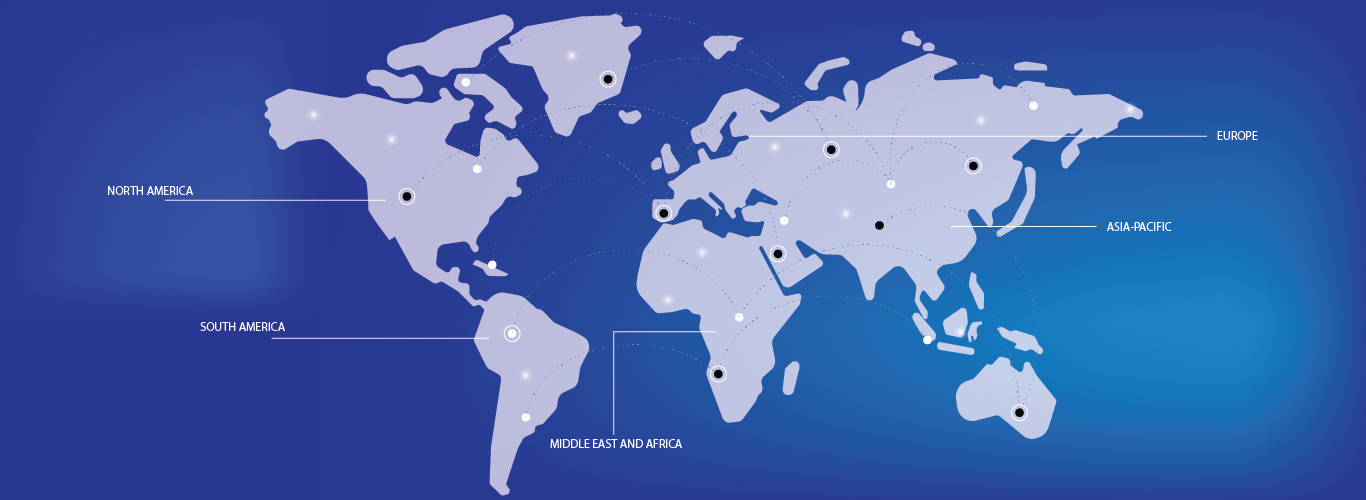
- North America dominated the Lewy body dementia treatment market with the largest revenue share of 41.3% in 2024, attributed to early adoption of advanced neurological diagnostics, strong healthcare infrastructure, increased funding for dementia research, and a high prevalence of LBD cases in the aging U.S. population
- Asia-Pacific is expected to be the fastest growing region in the Lewy body dementia treatment market, with a projected CAGR of 8.7% from 2025 to 2032, driven by rising geriatric populations in countries such as Japan and China, improved healthcare access, and increased public and governmental focus on dementia-related disorders
- Prescription segment dominated the Lewy body dementia treatment market with a market share of 89.4% in 2024, as the majority of drugs for LBD require strict medical oversight due to potential side effects. This includes medications that affect neurotransmitter levels and carry risks of worsening symptoms if not carefully managed. The necessity for specialist prescriptions underscores the continued reliance on physician-led diagnosis and treatment pathways in managing Lewy body dementia