- Liver Fibrosis Interleukin (Il) inhibitors are a class of therapeutic agents designed to block specific interleukins involved in the inflammatory and fibrotic processes of the liver. These inhibitors target cytokines such as IL-6 and IL-13, which play critical roles in the progression of liver fibrosis — a condition characterized by excessive accumulation of extracellular matrix proteins that leads to scarring and impaired liver function
- The global liver fibrosis interleukin (Il) inhibitors market is experiencing notable growth, projected to expand at a compound annual growth rate (CAGR) of 8.7% over the coming years. This growth is primarily driven by the rising prevalence of chronic liver diseases, such as hepatitis and non-alcoholic steatohepatitis (NASH), as well as increasing awareness and advancements in biotechnology
- For instance, in 2024, several promising clinical trials for IL inhibitors demonstrated positive outcomes, fueling optimism among healthcare providers and investors. Moreover, the surge in research funding and collaborations between pharmaceutical companies and research institutes further accelerates market development
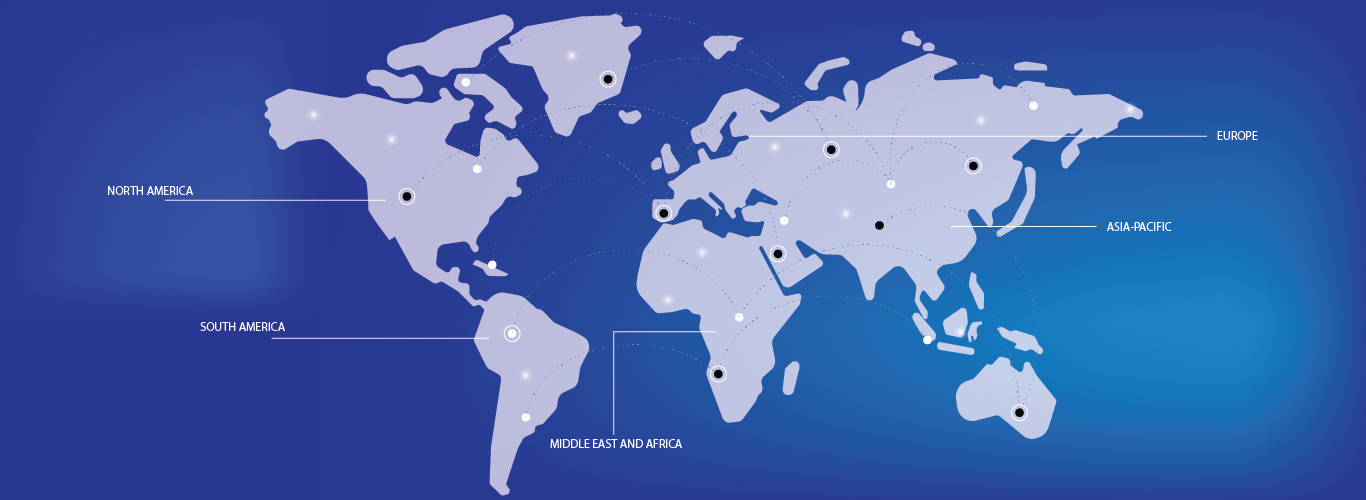
- North America currently dominates the market due to its advanced healthcare infrastructure and high disease awareness, while the Asia-Pacific region is expected to witness the fastest growth owing to increasing healthcare investments and a rising patient pool