


Lymphopenia Therapeutics Market Size
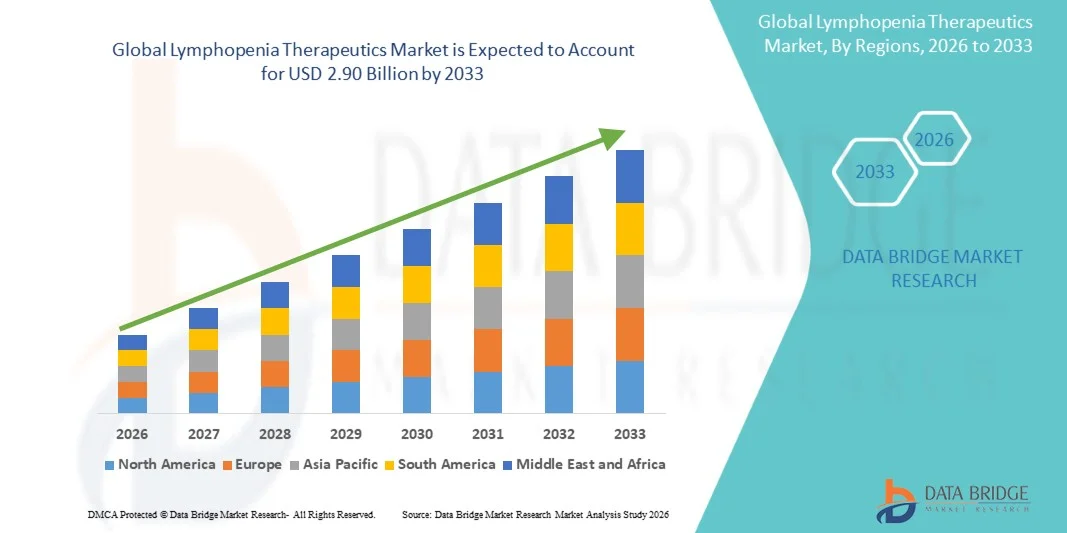
- The global lymphopenia therapeutics market size was valued at USD 1.58 billion in 2025and is expected to reach USD 2.90 billion by 2033, at a CAGR of 7.9% during the forecast period
- The market growth is primarily driven by the rising prevalence of immune system disorders, increasing cases of cancer and autoimmune diseases associated with lymphocyte depletion, and growing use of chemotherapy, radiotherapy, and immunosuppressive treatments that contribute to lymphopenia incidence
- Furthermore, expanding clinical research in immunotherapy, advancements in cytokine-based and cell-based therapies, and increasing focus on restoring immune function in immunocompromised patients are supporting treatment adoption. These factors, along with improved diagnostic capabilities and rising awareness of immune health management, are accelerating the uptake of lymphopenia therapeutics globally, thereby significantly boosting market growth
Lymphopenia Therapeutics Market Analysis
- Lymphopenia therapeutics, encompassing treatments aimed at restoring reduced lymphocyte levels, play a critical role in improving immune function in patients affected by cancer therapies, autoimmune disorders, and infectious diseases, where immune suppression significantly increases the risk of complications
- The market growth is primarily driven by the rising prevalence of cancer and autoimmune conditions, increasing use of chemotherapy and immunosuppressive drugs that lead to lymphocyte depletion, and growing focus on immune restoration therapies such as stem cell-based approaches, immunoglobulins, and pharmacological immune stimulants
- North America dominated the lymphopenia therapeutics market with a revenue share of 41.6% in 2025, supported by strong clinical research infrastructure, early adoption of advanced biologics, high healthcare expenditure, and the presence of leading biotechnology and pharmaceutical companies
- Asia-Pacific is expected to be the fastest growing region in the lymphopenia therapeutics market during the forecast period due to expanding healthcare access, rising burden of cancer and chronic diseases, increasing investment in biologics manufacturing, and improving awareness of immune-supportive therapies
- Drugs therapy segment dominated the lymphopenia therapeutics market in 2025 with a market share of 48.3%, driven by its widespread clinical use in managing immune suppression and stimulating lymphocyte recovery
Report Scope and Lymphopenia Therapeutics Market Segmentation
|
Attributes |
Lymphopenia Therapeutics Key Market Insights |
|
Segments Covered |
|
|
Countries Covered |
North America · U.S. · Canada · Mexico Europe · Germany · France · U.K. · Netherlands · Switzerland · Belgium · Russia · Italy · Spain · Turkey · Rest of Europe Asia-Pacific · China · Japan · India · South Korea · Singapore · Malaysia · Australia · Thailand · Indonesia · Philippines · Rest of Asia-Pacific Middle East and Africa · Saudi Arabia · U.A.E. · South Africa · Egypt · Israel · Rest of Middle East and Africa South America · Brazil · Argentina · Rest of South America |
|
Key Market Players |
|
|
Market Opportunities |
· Increasing development of targeted cytokine and interleukin-based biologics · Expanding use of stem cell and regenerative therapies in post-chemotherapy |
|
Value Added Data Infosets |
In addition to the insights on market scenarios such as market value, growth rate, segmentation, geographical coverage, and major players, the market reports curated by the Data Bridge Market Research also include in-depth expert analysis, patient epidemiology, pipeline analysis, pricing analysis, and regulatory framework |
Lymphopenia Therapeutics Market Trends
“Rising Adoption of Targeted Immunomodulatory and Regenerative Therapies”
- A significant and accelerating trend in the global lymphopenia therapeutics market is the growing adoption of targeted immunomodulatory therapies, including cytokines, interleukins, and advanced biologics, aimed at restoring lymphocyte levels more precisely in immunocompromised patients
- For instance, recombinant interleukin-based therapies such as IL-7 and IL-2 analogs are being increasingly studied to enhance lymphocyte proliferation and improve immune recovery in oncology and post-transplant patients
- Advances in regenerative medicine and stem cell therapies are further supporting immune system restoration by enabling long-term hematopoietic and lymphocyte reconstitution in patients with severe immune suppression
- The integration of precision medicine approaches with biomarker-based patient stratification is allowing clinicians to better identify lymphopenia subtypes and tailor treatment strategies for improved therapeutic outcomes
- The expanding application of gene-editing technologies such as CRISPR in immune cell engineering is emerging as a novel approach to enhance lymphocyte regeneration and functional immune recovery
- In addition, growing focus on post-viral lymphopenia management, particularly after severe viral infections, is increasing demand for therapies that rapidly restore immune balance in affected patients
- This shift toward targeted, regenerative, and precision-based treatment approaches is fundamentally transforming expectations in immune recovery care, thereby accelerating market growth across developed and emerging regions
Lymphopenia Therapeutics Market Dynamics
Driver
“Rising Burden of Immune Suppression from Cancer and Chronic Disease Treatments”
- The increasing incidence of cancer, autoimmune disorders, and infectious diseases requiring immunosuppressive treatments is a major driver accelerating demand for lymphopenia therapeutics across global healthcare systems
- For instance, chemotherapy and radiotherapy-induced lymphopenia cases are rising significantly, leading to higher adoption of immune-restorative therapies in oncology treatment pathways
- Growing use of biologics and immunosuppressive drugs in organ transplantation and autoimmune disease management is further contributing to sustained lymphocyte depletion, strengthening treatment demand
- Increasing awareness among clinicians regarding the risks of prolonged lymphopenia, such as infections and delayed recovery, is driving earlier intervention with immune-boosting therapeutics
- Furthermore, expanding healthcare infrastructure and improved diagnostic capabilities are enabling faster detection and treatment of lymphopenia, thereby supporting market expansion globally
- Rising geriatric population with weakened immune systems is further increasing susceptibility to lymphopenia, thereby boosting long-term demand for supportive immune therapies
- In addition, growing investment in hospital-based immunology and oncology care units is enhancing treatment accessibility and adoption rates of advanced lymphopenia therapeutics
Restraint/Challenge
“High Treatment Complexity and Limited Standardized Therapy Protocols”
- The lack of standardized and universally accepted treatment protocols for lymphopenia management poses a significant challenge to consistent therapeutic adoption across healthcare systems
- For instance, variability in patient response to stem cell therapy, immunoglobulins, and cytokine-based treatments creates uncertainty in selecting optimal treatment regimens
- High development complexity and stringent regulatory requirements for advanced biologics and cell-based therapies further delay product approvals and market entry
- Limited long-term clinical data on emerging therapies such as regenerative and immune-modulating treatments restricts physician confidence in widespread adoption
- In addition, high treatment costs associated with advanced immunotherapies can limit accessibility, particularly in low- and middle-income regions, thereby constraining overall market penetration
- Complex manufacturing processes for biologics and stem cell therapies increase production costs and restrict large-scale commercialization
- Furthermore, variability in reimbursement policies across different regions creates financial uncertainty for patients and healthcare providers, slowing market uptake
Lymphopenia Therapeutics Market Scope
The market is segmented on the basis of treatment, route of administration, end-users, and distribution channel.
- By Treatment
On the basis of treatment, the lymphopenia therapeutics market is segmented into stem cell therapy, drug therapy, immune globulin, and others. The drug therapy segment dominated the market with the largest revenue share of 48.3% in 2025, due to its extensive clinical use in managing lymphocyte depletion caused by chemotherapy, autoimmune diseases, and viral infections. Drug-based therapies, including cytokines and immunostimulants, are widely preferred because they are readily available, cost-effective, and supported by established treatment guidelines. Hospitals and specialty clinics frequently rely on pharmacological interventions as first-line management for lymphopenia cases. In addition, continuous R&D in immune-modulating drugs is strengthening this segment’s clinical acceptance. The scalability and ease of administration further reinforce its dominant position in global markets.
The stem cell therapy segment is expected to witness the fastest growth rate of 10.8% from 2026 to 2033, driven by increasing adoption of regenerative medicine approaches for immune system restoration. Stem cell-based treatments offer the potential to rebuild hematopoietic function and restore long-term lymphocyte production in severe cases. Growing clinical trials in oncology, transplant recovery, and congenital immune deficiencies are expanding its application scope. Technological advancements in autologous and allogeneic stem cell processing are improving safety and therapeutic outcomes. Rising investment in regenerative medicine research is further accelerating adoption. Moreover, increasing patient demand for long-term curative solutions is supporting rapid growth of this segment.
- By Route of Administration
On the basis of route of administration, the market is segmented into oral and parenteral. The parenteral segment dominated the market with the largest revenue share of 72.1% in 2025, as most lymphopenia treatments such as immunoglobulins, cytokines, and stem cell-based therapies require intravenous delivery for rapid and effective immune restoration. Parenteral administration ensures higher bioavailability and immediate therapeutic response, which is critical for immunocompromised patients. Hospitals and specialty centres primarily prefer injectable formulations for acute and severe cases. This route also allows precise dosage control under medical supervision. The dominance is further supported by the widespread use of biologics that cannot be effectively delivered orally. In addition, strong hospital infrastructure in developed regions reinforces this segment’s leadership.
The oral segment is expected to witness the fastest growth rate of 9.2% from 2026 to 2033, driven by increasing development of oral immunomodulatory drugs and patient preference for non-invasive therapies. Oral treatments improve compliance, especially for long-term management of mild to moderate lymphopenia cases. Pharmaceutical innovations in small-molecule immune enhancers are expanding oral therapeutic options. Growing shift toward outpatient and home-based care is also supporting adoption. In addition, reduced treatment costs and ease of administration are boosting demand. Expanding research into orally bioavailable biologics is expected to further accelerate segment growth.
- By End-Users
On the basis of end-users, the market is segmented into hospitals, homecare, specialty centres, and others. The hospitals segment dominated the market with the largest revenue share of 55.6% in 2025, due to the high concentration of critically ill patients requiring intensive immune restoration therapies. Hospitals are the primary settings for administering stem cell therapies, intravenous immunoglobulins, and advanced biologics under strict medical supervision. Availability of advanced diagnostic infrastructure and skilled healthcare professionals strengthens hospital dominance. In addition, emergency care requirements in severe lymphopenia cases drive hospital-based treatment adoption. The presence of integrated oncology and transplant units further contributes to high demand. Moreover, reimbursement coverage for hospital-based treatments supports this segment’s leadership globally.
The homecare segment is expected to witness the fastest growth rate of 11.5% from 2026 to 2033, driven by increasing preference for convenient and cost-effective treatment settings. The availability of oral therapies and portable infusion systems is enabling safe at-home management of stable patients. Rising adoption of telemedicine and remote patient monitoring is further supporting this shift. Homecare reduces hospital burden and improves patient quality of life. Increasing healthcare digitization is also facilitating better treatment adherence. In addition, growing elderly population requiring long-term immune support is boosting demand in this segment.
- By Distribution Channel
On the basis of distribution channel, the market is segmented into hospital pharmacy, retail pharmacy, and online pharmacy. The hospital pharmacy segment dominated the market with the largest revenue share of 61.4% in 2025, driven by the strong dependency on hospitals for dispensing specialized lymphopenia therapeutics such as biologics, immunoglobulins, and injectable drugs. Hospital pharmacies ensure proper storage, controlled distribution, and immediate availability of critical immune-supportive medications. Their close integration with inpatient and specialty care units enhances efficiency in treatment delivery. This channel is particularly important for high-cost and high-complexity therapies. In addition, strong regulatory control in hospital settings ensures patient safety. The dominance is further reinforced by high hospitalization rates in severe lymphopenia cases.
The online pharmacy segment is expected to witness the fastest growth rate of 13.1% from 2026 to 2033, driven by rapid digitalization of healthcare services and increasing patient preference for convenient drug access. Online platforms offer easy prescription refills, doorstep delivery, and wider drug availability, improving accessibility for chronic patients. Growth in teleconsultation services is further supporting digital prescription adoption. Expanding internet penetration and smartphone usage are accelerating market reach. In addition, cost advantages and discount-based pricing models are attracting patients. Strengthening regulatory frameworks for e-pharmacies are further boosting trust and adoption globally.
Lymphopenia Therapeutics Market Regional Analysis
- North America dominated the lymphopenia therapeutics market with a revenue share of 41.6% in 2025, supported by strong clinical research infrastructure, early adoption of advanced biologics, high healthcare expenditure, and the presence of leading biotechnology and pharmaceutical companies
- Patients and healthcare providers in North America highly value access to advanced treatment options such as stem cell therapy, immunoglobulins, and cytokine-based drugs, supported by favorable reimbursement frameworks and specialized oncology centers
- This widespread adoption is further supported by high healthcare expenditure, strong presence of leading pharmaceutical and biotechnology companies, and continuous pipeline development in immune-modulating therapies, establishing the region as a key hub for lymphopenia treatment innovation
U.S. Lymphopenia Therapeutics Market Insight
The United States lymphopenia therapeutics market accounted for the largest share within North America in 2025, driven by high cancer prevalence, advanced oncology treatment adoption, and strong utilization of immunosuppressive therapies that contribute to lymphopenia cases. The country benefits from a highly developed healthcare system, strong biotechnology ecosystem, and early access to innovative biologics and stem cell-based therapies. Patients and providers in the U.S. prioritize advanced immune restoration treatments supported by strong clinical research infrastructure and extensive clinical trial activity. Favorable reimbursement policies and insurance coverage for high-cost biologics further enhance treatment accessibility. In addition, continuous innovation from leading pharmaceutical and biotech companies is accelerating development of next-generation immunotherapies for lymphopenia management.
Europe Lymphopenia Therapeutics Market Insight
The Europe lymphopenia therapeutics market is projected to expand at a steady CAGR throughout the forecast period, primarily driven by increasing incidence of chronic diseases, cancer treatments, and autoimmune disorders leading to secondary lymphopenia cases. The region benefits from well-established healthcare systems, strong regulatory frameworks, and increasing adoption of advanced biologics and immunoglobulin therapies for immune support and recovery. European healthcare providers increasingly prioritize evidence-based immunotherapy approaches, including stem cell and cytokine-based treatments, to improve patient outcomes in immunocompromised populations. This growth is further supported by rising investments in clinical research, expanding access to specialty care centers, and increasing awareness of immune dysfunction-related complications across major European countries. In addition, supportive government healthcare policies and reimbursement coverage for critical immunotherapies are encouraging wider adoption across hospital and specialty care settings.
United Kingdom Lymphopenia Therapeutics Market Insight
The United Kingdom lymphopenia therapeutics market is anticipated to grow at a notable CAGR during the forecast period, driven by rising cases of cancer, autoimmune disorders, and transplant-related immune suppression. The country’s strong National Health Service (NHS) framework supports early diagnosis and structured treatment pathways for lymphopenia and related immune deficiencies. Increasing adoption of advanced biologics, immunoglobulin therapies, and hospital-based stem cell treatments is further strengthening the therapeutic landscape in the U.K. Growing participation in clinical trials and research programs focused on immune restoration therapies is accelerating access to innovative treatment options. In addition, rising awareness among clinicians regarding infection risks associated with lymphopenia is boosting early intervention and treatment uptake across healthcare facilities.
Germany Lymphopenia Therapeutics Market Insight
The Germany lymphopenia therapeutics market is expected to expand at a considerable CAGR during the forecast period, driven by strong healthcare infrastructure and increasing burden of cancer-related immune suppression. Germany’s emphasis on innovation and advanced biotechnology supports the adoption of stem cell therapy, immunoglobulins, and next-generation immunomodulatory drugs. High investment in research institutions and pharmaceutical development is enabling rapid advancement in immune restoration therapies. Hospitals and specialty centres in Germany increasingly integrate precision medicine approaches to improve treatment outcomes for lymphopenia patients. In addition, strong regulatory standards and focus on patient safety are encouraging the use of high-quality biologics and controlled immune therapies.
Asia-Pacific Lymphopenia Therapeutics Market Insight
The Asia-Pacific lymphopenia therapeutics market is poised to grow at the fastest CAGR of 9.8% during the forecast period of 2026 to 2033, driven by rising cancer prevalence and expanding access to advanced healthcare services. Rapid urbanization, improving healthcare infrastructure, and increasing awareness of immune disorders are supporting higher adoption of lymphopenia therapies in the region. Governments across APAC are investing in biotechnology development and hospital expansion, improving access to immunoglobulins and stem cell-based treatments. The region is also witnessing growing participation in clinical trials and increasing availability of affordable biologics, supporting wider treatment penetration. In addition, rising healthcare expenditure and expansion of specialty hospitals are accelerating adoption of advanced immune restoration therapies.
Japan Lymphopenia Therapeutics Market Insight
The Japan lymphopenia therapeutics market is gaining momentum due to its advanced healthcare system, strong focus on biotechnology, and high incidence of cancer-related immune suppression. The country’s aging population significantly contributes to increased demand for immune-supportive therapies and hospital-based treatment solutions. Japan is a leader in regenerative medicine research, supporting the development of stem cell-based therapies for immune system restoration. Integration of advanced biologics and precision medicine approaches is enhancing treatment outcomes for lymphopenia patients. In addition, strong government support for healthcare innovation is accelerating adoption of next-generation immunotherapies.
India Lymphopenia Therapeutics Market Insight
The India lymphopenia therapeutics market accounted for the largest market revenue share in Asia Pacific in 2025, driven by a rapidly growing cancer burden and increasing use of immunosuppressive therapies. Expanding healthcare infrastructure, rising middle-class population, and improving access to specialty treatments are supporting market growth. India’s strong pharmaceutical manufacturing base is enhancing availability and affordability of immunoglobulins and drug-based therapies. Increasing awareness of immune disorders and expanding diagnostic capabilities are driving earlier detection and treatment of lymphopenia. In addition, government initiatives to strengthen healthcare systems and expand hospital networks are further supporting market expansion across urban and semi-urban regions.
Lymphopenia Therapeutics Market Share
The Lymphopenia Therapeutics industry is primarily led by well-established companies, including:
- ImmunityBio, Inc. (U.S.)
- F. Hoffmann-La Roche Ltd (Switzerland)
- Novartis AG (Switzerland)
- Pfizer Inc. (U.S.)
- Bristol-Myers Squibb Company (U.S.)
- Merck & Co., Inc. (U.S.)
- AstraZeneca (U.K.)
- Gilead Sciences, Inc. (U.S.)
- Amgen Inc. (U.S.)
- Sanofi (France)
- Takeda Pharmaceutical Company Limited (Japan)
- Regeneron Pharmaceuticals, Inc. (U.S.)
- Eli Lilly and Company (U.S.)
- BeiGene, Ltd. (China)
- Legend Biotech Corporation (China)
- Fate Therapeutics, Inc. (U.S.)
- CRISPR Therapeutics AG (Switzerland)
- Galapagos NV (Belgium)
- Allogene Therapeutics, Inc. (U.S.)
What are the Recent Developments in Global Lymphopenia Therapeutics Market?
- In September 2025, new Phase 2 QUILT-3.055 clinical data demonstrated that ANKTIVA reversed lymphopenia in non-small cell lung cancer patients, leading to significantly improved overall survival outcomes. The study showed restoration of NK and CD8+ T cells, which are essential for tumor immunity. Researchers highlighted lymphocyte count (ALC) as a predictive biomarker for survival benefit. This reinforced the clinical importance of immune reconstitution in cancer therapy
- In May 2025, the U.S. FDA granted expanded access authorization for ImmunityBio’s ANKTIVA (nogapendekin alfa inbakicept) to treat therapy-induced lymphopenia in solid tumor patients. The therapy is designed to restore NK and T-cell levels depleted by chemotherapy, radiotherapy, or immunotherapy. This marked a major milestone as it addressed a previously unmet need in immune restoration therapy
- In November 2024, a Phase 1/2 clinical trial was initiated to evaluate efineptakin alfa (NT-I7), a long-acting recombinant IL-7 therapy, in patients with idiopathic CD4 lymphopenia (ICL). The study focuses on improving CD4+ T-cell recovery by administering NT-I7 every 12 weeks and assessing immune restoration outcomes over multiple dosing cycles. This development highlights growing clinical interest in IL-7–based cytokine therapies for directly reversing lymphopenia rather than only managing its complications
- In August 2024, the FDA approved LYMPHIR (denileukin diftitox-cxdl) for relapsed or refractory cutaneous T-cell lymphoma. The therapy works as an IL-2 receptor-directed cytotoxin targeting malignant T cells. It represented an important advancement in targeted immunotherapy for lymphocyte-related malignancies. The approval strengthened the role of immune-targeted biologics in lymphocyte-associated diseases. It also highlighted expanding oncology applications of lymphocyte-directed therapies
- In March 2024, the U.S. FDA approved lifileucel (Amtagvi), the first tumor-infiltrating lymphocyte therapy for metastatic melanoma. The treatment uses a patient’s own lymphocytes extracted from tumors, expanded, and reinfused to fight cancer. This approval marked a breakthrough in cell-based immune therapies and reinforced the role of lymphocytes in cancer treatment. It also opened pathways for broader applications of lymphocyte-based immunotherapies. The development represents a major advancement in adoptive cell therapy technology

- Interactive Data Analysis Dashboard
- Company Analysis Dashboard for high growth potential opportunities
- Research Analyst Access for customization & queries
- Competitor Analysis with Interactive dashboard
- Latest News, Updates & Trend analysis
- Harness the Power of Benchmark Analysis for Comprehensive Competitor Tracking
Data collection and base year analysis are done using data collection modules with large sample sizes. The stage includes obtaining market information or related data through various sources and strategies. It includes examining and planning all the data acquired from the past in advance. It likewise envelops the examination of information inconsistencies seen across different information sources. The market data is analysed and estimated using market statistical and coherent models. Also, market share analysis and key trend analysis are the major success factors in the market report. To know more, please request an analyst call or drop down your inquiry.
The key research methodology used by DBMR research team is data triangulation which involves data mining, analysis of the impact of data variables on the market and primary (industry expert) validation. Data models include Vendor Positioning Grid, Market Time Line Analysis, Market Overview and Guide, Company Positioning Grid, Patent Analysis, Pricing Analysis, Company Market Share Analysis, Standards of Measurement, Global versus Regional and Vendor Share Analysis. To know more about the research methodology, drop in an inquiry to speak to our industry experts.
Data Bridge Market Research is a leader in advanced formative research. We take pride in servicing our existing and new customers with data and analysis that match and suits their goal. The report can be customized to include price trend analysis of target brands understanding the market for additional countries (ask for the list of countries), clinical trial results data, literature review, refurbished market and product base analysis. Market analysis of target competitors can be analyzed from technology-based analysis to market portfolio strategies. We can add as many competitors that you require data about in the format and data style you are looking for. Our team of analysts can also provide you data in crude raw excel files pivot tables (Fact book) or can assist you in creating presentations from the data sets available in the report.












