- Maritime safety solutions are indispensable across sectors such as shipping, offshore energy, port operations, and naval defense, offering critical systems for surveillance, vessel tracking, access control, and threat detection. These technologies play a vital role in ensuring the safety of maritime personnel, cargo, and infrastructure while meeting international compliance and regulatory standards.
- The market demand is significantly driven by the surge in international seaborne trade, rising threats of maritime piracy and terrorism, and the increasing implementation of AI-powered surveillance and tracking systems to bolster coastal and port security. Furthermore, supportive governmental regulations and growing investments in smart port infrastructure are enhancing the uptake of advanced maritime safety solutions.
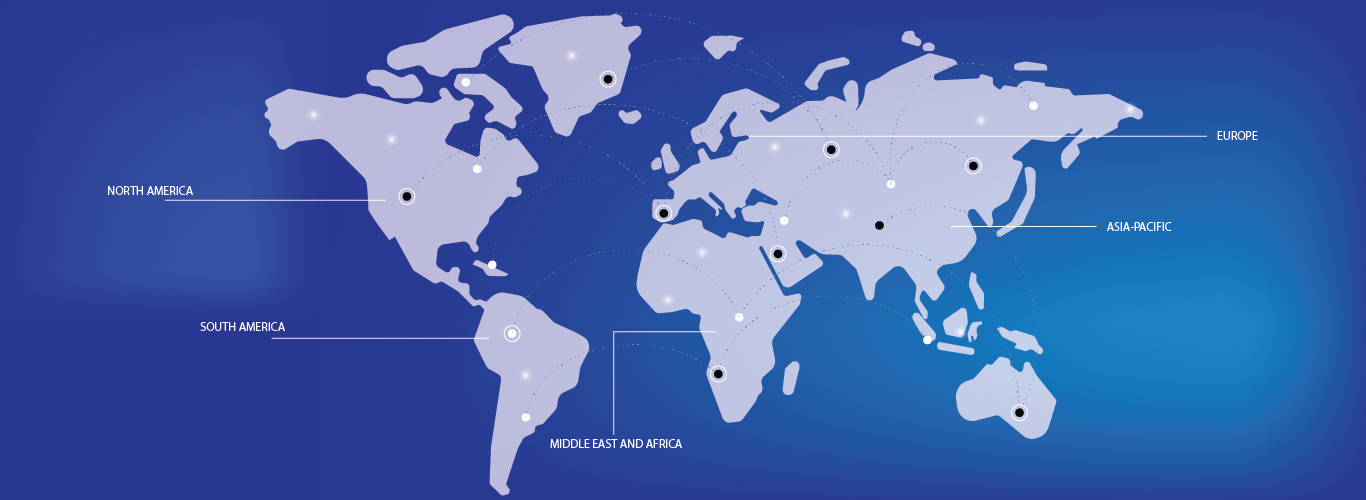
- North America is expected to dominate the Global Maritime Safety Market throughout the forecast period, attributed to the presence of advanced defense systems, strong enforcement by coast guard agencies, and high adoption of integrated maritime safety platforms for both civilian and military applications.
- Asia-Pacific is projected to be the fastest-growing region in the market, driven by rapid growth in port infrastructure, increasing maritime trade, rising government expenditure on coastal security, and heightened awareness around maritime safety compliance in countries such as China, India, and South Korea.
- The port and critical infrastructure security segment is anticipated to lead the Global Maritime Safety Market with a substantial share of 43.61%, driven by the increasing demand for enhanced security measures in key maritime locations such as ports, docks, and shipping terminals. This segment is essential for safeguarding critical infrastructure against threats such as terrorism, unauthorized access, and environmental hazards.