- Mastitis, an inflammatory condition of the mammary glands primarily caused by infection or injury, remains a significant health concern in both human and veterinary medicine. In dairy animals, it leads to reduced milk yield and quality, while in breastfeeding women, it causes pain, swelling, and potential lactation issues, necessitating timely diagnosis and treatment.
- The growing demand for effective mastitis treatment is primarily driven by increasing awareness among dairy farmers and healthcare providers, higher incidence rates globally, and the rising focus on animal welfare, breastfeeding health, and milk hygiene standards. Innovations in diagnostic methods (such as milk sample examination and point-of-care diagnostics) and the availability of a broader range of antibiotic and NSAID-based therapies are also propelling market expansion.
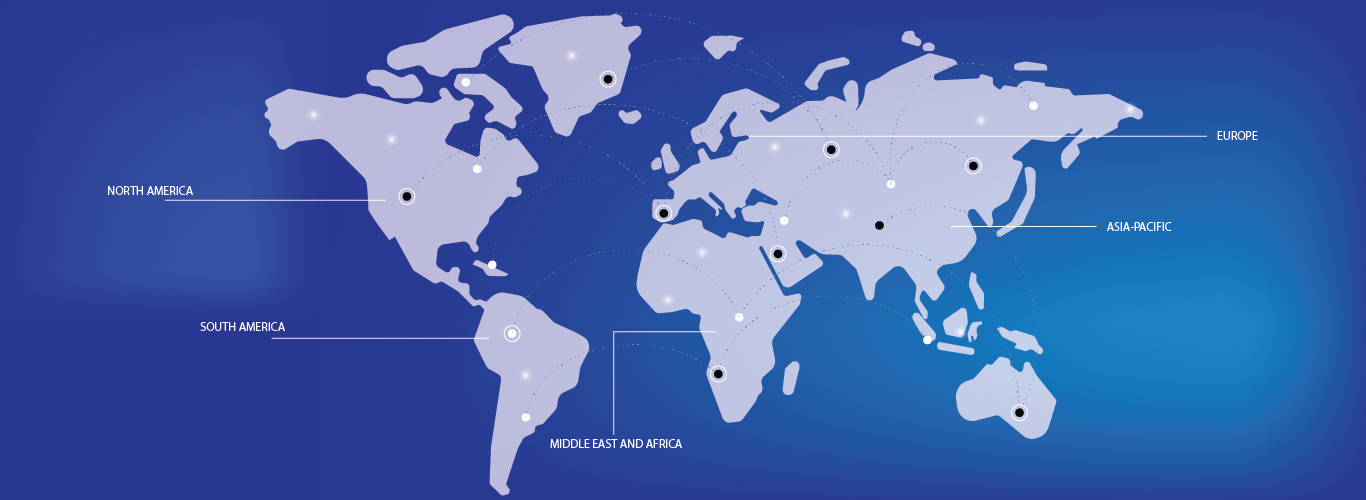
- North America leads the mastitis market, accounting for the largest revenue share of 38.7% in 2025, driven by advanced veterinary care infrastructure, strong awareness campaigns, and robust healthcare systems for women’s health. The U.S. sees high volumes of mastitis-related hospital visits and dairy farm treatments, supported by structured intervention programs.
- Asia-Pacific is projected to be the fastest-growing region during the forecast period, with a CAGR of 6.4%, fueled by expanding dairy industries in countries like India and China, growing maternal healthcare initiatives, and increased investments in rural veterinary services.
- Within treatment categories, the medication segment dominates the global mastitis market with a market share of 64.2% in 2025, led by antibiotics due to their crucial role in resolving bacterial infections efficiently and reducing inflammation.