- Meniere’s disease treatment, encompassing pharmacological therapies, surgical interventions, and lifestyle management strategies, is becoming increasingly crucial in modern healthcare systems due to the rising incidence of inner ear disorders and the impact on patients’ quality of life
- The growing demand for effective treatment is primarily driven by the rising awareness about Meniere’s disease, improved access to specialized healthcare, and advancements in targeted drug therapies such as diuretics, betahistine, and intratympanic steroid injections
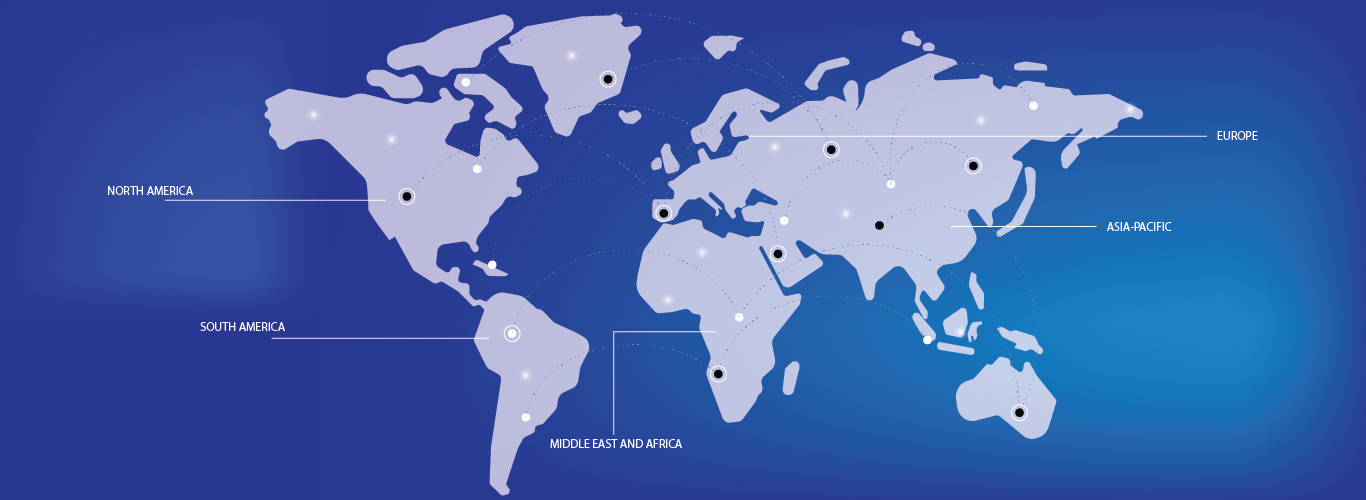
- North America dominated the Meniere’s disease treatment market with the largest revenue share of 39.8% in 2024, supported by the region’s robust healthcare infrastructure, early diagnosis rates, and the strong presence of leading pharmaceutical and medical device companies
- Asia-Pacific is expected to be the fastest-growing region in the Meniere’s disease treatment market, registering a CAGR of 7.9% from 2025 to 2032, driven by rising urbanization, increasing healthcare expenditure, and the expanding elderly population—especially in countries such as China, Japan, and India. Government initiatives promoting ENT care and improved diagnostic access are also contributing to market acceleration
- Drugs segment dominated the Meniere’s disease treatment market with a market share of 68.7% in 2024, owing to the widespread use of pharmacological therapies such as diuretics, betahistine, and corticosteroids for symptom management. These medications are often the first line of treatment due to their non-invasive nature, affordability, and ability to control vertigo, tinnitus, and hearing loss associated with the disease