- Microservices in healthcare refer to a modular approach to building and managing healthcare software systems, where applications are divided into small, independent services that each perform a specific business function. These services communicate via APIs and can be developed, deployed, and scaled independently
- The demand for microservices in healthcare is significantly driven by the need for enhanced interoperability, real-time patient data exchange, and customized healthcare solutions. With the shift toward value-based care and patient-centric models, microservices enable organizations to break down large monolithic systems into modular components that can be individually managed, scaled, and updated
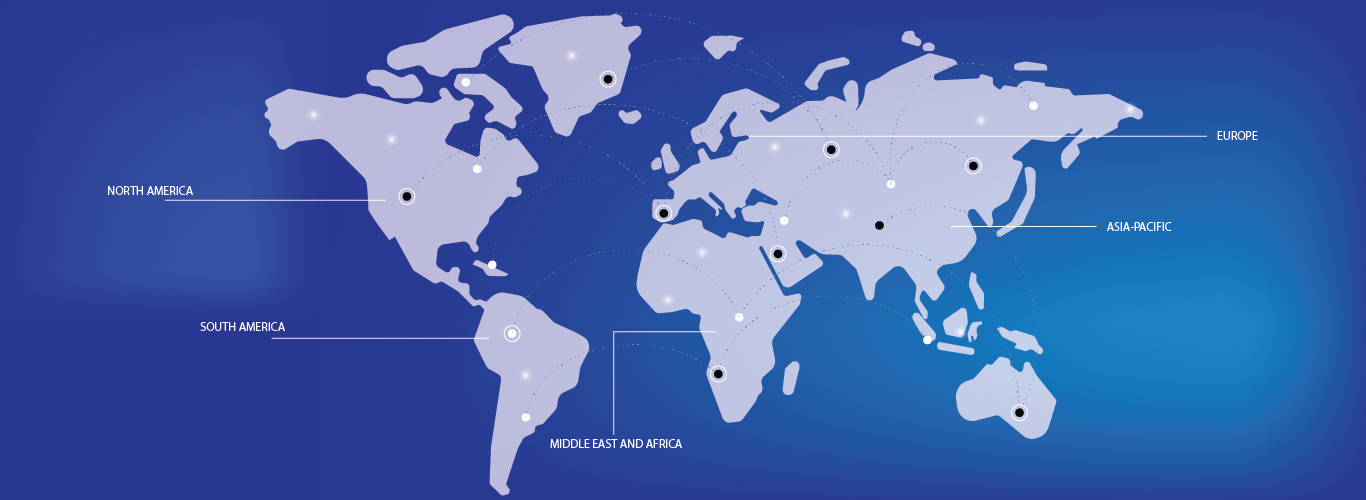
- North America is expected to dominate the global microservices in healthcare market during the forecast period holding an estimated market share of approximately 47.5%. This dominance is attributed to its advanced IT infrastructure, adoption of digital health technologies, high healthcare spending, and the presence of key market players focused on delivering scalable, cloud-based healthcare solutions.
- Asia-Pacific is projected to be the fastest-growing region in the microservices in healthcare market due to rising investments in healthcare infrastructure, increasing digitalization of healthcare systems, and growing awareness of the benefits of microservice-based healthcare platforms. Countries such as India, China, and Japan are making significant advancements in eHealth and telemedicine, which is further fuelling market expansion
- Platform segment is expected to dominate the micro services in healthcare market with the largest share of 52.22% in 2025 as it offers modular solutions for integrating multiple services (EHRs, telemedicine, diagnostics), enabling rapid innovation and deployment of healthcare applications.