- Microprinting technology is essentially being utilized to consumer electronics packaging for printing product information. Microprinting is an anti-counterfeit procedure of printing tiny text and numbers on stamps, currency, bank checks, and other such items. These prints are not comprehensible for the naked eyes.
- The several government guidelines and administration for upgrading security for currency and certificates are propelling the growth of the microprinting market. Moreover, the advancement of inventive microprinting techniques coupled with cost efficient technologies has improved its applications in different industry verticals; these factors are expected to boost the growth of the microprinting market.
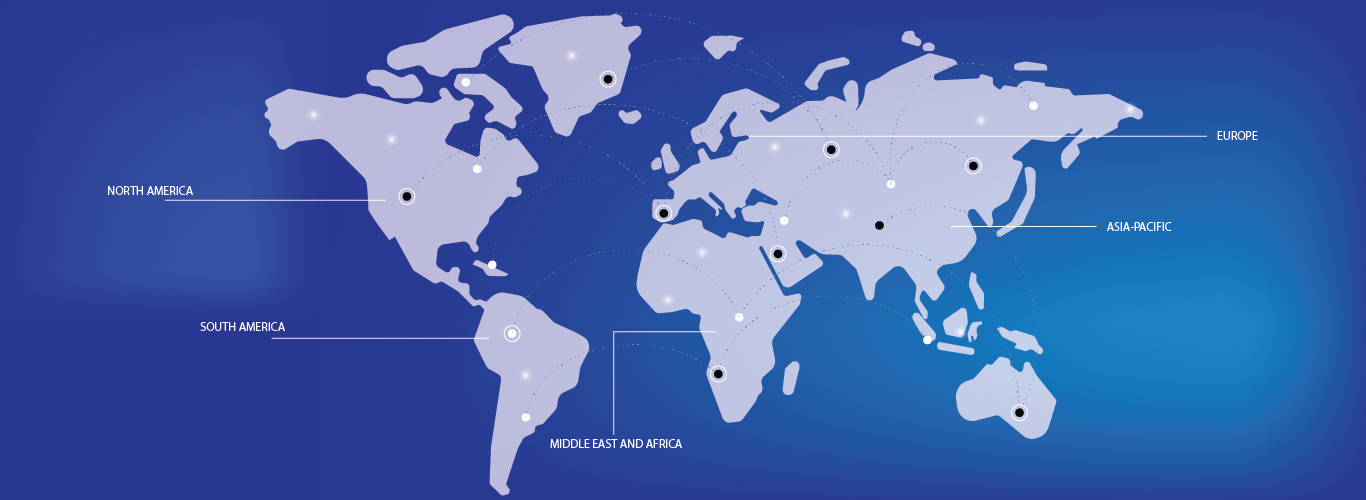
- Asia-Pacific dominates the Microprinting market with the largest revenue share of 51.01% in 2025, due to the presence of a large number of banking and finance organizations, government agencies, and corporate companies. The banking and finance sector of China, Japan, and India are heavily deploying microprinting technology while designing banknotes and check books. wide adoption of microprinting technology in advancing countries is leading to the growth of the microprinting market.
- North America is expected to be the fastest growing region in the microprinting market during the forecast period due stringent anti-counterfeiting regulations across sectors like banking, government, and packaging. Technologically advanced nations such as the U.S. and Canada are adopting microprinting for secure documents, currency, and packaging. Government initiatives, including investments in secure printing technologies, further propel market growth.
- The micro-embossing segment is anticipated to hold the largest market share of 30.9% in the Microprinting Market during the forecast period. Micro-embossing ink in the microprinting market is gaining traction due to its robust anti-counterfeiting capabilities. This ink type creates tactile, raised patterns that are difficult to replicate, enhancing security in applications like currency, ID cards, and packaging. Its adoption is driven by increasing demand for secure printing solutions across various industries.