


What is the Muscular Dystrophy Drugs Market Size and Overview?
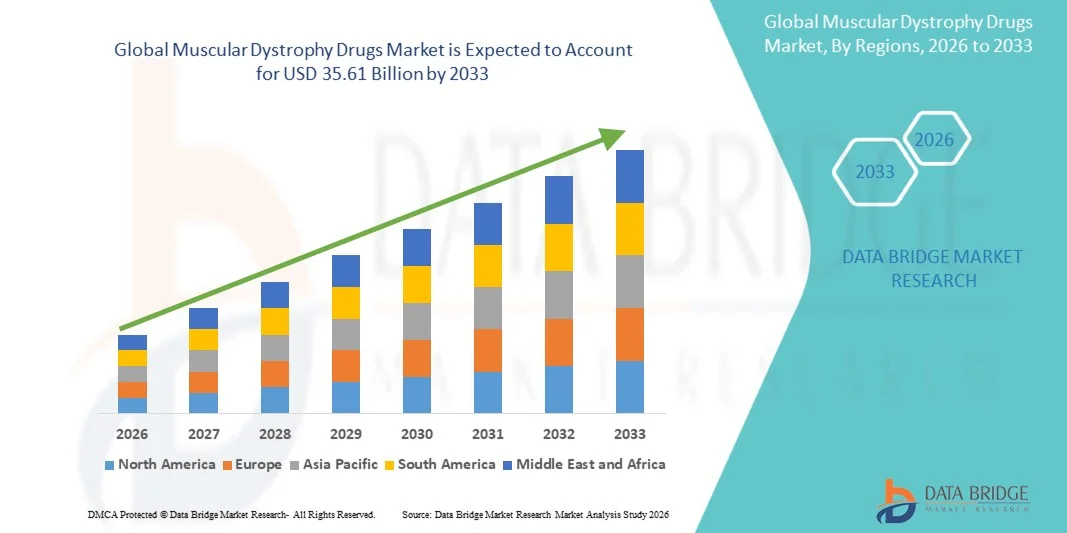
The Muscular Dystrophy Drugs Market was valued at USD 2.13 billion in 2025 and is projected to reach USD 35.61 billion by 2033, growing at a CAGR of 42.20% from 2026 to 2033. The market is experiencing consistent growth driven by rising prevalence of muscular dystrophy disorders, increasing demand for targeted and innovative treatment options, and continuous advancements in gene therapy, molecular therapies, and precision medicine approaches. The growing focus on rare disease research, improved diagnostic capabilities, and increasing healthcare investments are encouraging pharmaceutical companies and biotechnology firms to develop advanced therapies for muscular dystrophy patients.
The increasing burden of genetic neuromuscular disorders, combined with rising regulatory support for orphan drug development and advancements in therapies such as exon-skipping, gene replacement, and antisense oligonucleotide treatments, is accelerating adoption of muscular dystrophy drugs globally. These therapies are improving disease management, slowing disease progression, and enhancing patient outcomes, while ongoing clinical research and expanding treatment pipelines continue to support market growth across developed and emerging healthcare markets.
Market Size & Forecast
- Global Market Value (2025): USD 2.13 Billion
- Expected Market Value (2033): USD 35.61 Billion
- Forecast CAGR (2026–2033): 42.20%
- Leading Region in 2025: North America
- Fastest Growing Region: Asia-Pacific
Key Market Trends & Insights
- North America dominated the Muscular Dystrophy Drugs Market with the largest revenue share of 42.1% in 2025, supported by advanced healthcare infrastructure, high adoption of innovative rare disease therapies, strong presence of leading pharmaceutical and biotechnology companies, and significant investments in neuromuscular disorder research. The region benefits from favorable regulatory support, increasing availability of disease-modifying therapies, and growing adoption of advanced treatments such as gene therapy and exon-skipping therapies for muscular dystrophy.
- The oral segment dominated the market with a 57.9% share in 2025, supported by the widespread use of corticosteroids and other supportive medications administered through oral routes for long-term disease management.
- Asia-Pacific is expected to be the fastest-growing region at a CAGR of 10.6% from 2026 to 2033, fueled by increasing awareness of rare genetic disorders, improving healthcare infrastructure, rising healthcare expenditure, and growing access to advanced neuromuscular disorder treatments across China, India, Japan, and South Korea. Expansion of diagnostic capabilities, increasing clinical trial activities, and government initiatives supporting rare disease management are further accelerating regional market growth.
- Gene therapy is the fastest-growing treatment type segment, projected to register a CAGR of 15.2% from 2026 to 2033, reflecting increasing investment in one-time curative approaches for muscular dystrophy treatment. Advancements in genetic medicine, development of AAV-based therapies, and increasing clinical trials targeting dystrophin restoration and muscle regeneration are driving rapid expansion of this segment.
- Duchenne muscular dystrophy (DMD) dominates the disease type category with a 72.4% revenue share in 2025, supported by its higher prevalence compared with other muscular dystrophy forms and significant investment in therapeutic development. Growing demand for disease-modifying treatments, early diagnosis, and personalized treatment approaches is contributing to segment dominance.
Report Scope and Muscular Dystrophy Drugs Market Segmentation
|
Attributes |
Muscular Dystrophy Drugs Key Market Insights |
|
Segments Covered |
|
|
Countries Covered |
North America
Europe
Asia-Pacific
Middle East and Africa
South America
|
|
Key Market Players |
|
|
Market Opportunities |
|
|
Value Added Data Infosets |
In addition to the insights on market scenarios such as market value, growth rate, segmentation, geographical coverage, and major players, the market reports curated by the Data Bridge Market Research also include in-depth expert analysis, geographically represented company-wise production and capacity, network layouts of distributors and partners, detailed and updated price trend analysis and deficit analysis of supply chain and demand. |
What is the Key Trend in the Muscular Dystrophy Drugs Market?
Trend: Expansion of Gene Therapy and Precision Medicine in Muscular Dystrophy Treatment
The Muscular Dystrophy Drugs Market is witnessing significant transformation due to the growing adoption of advanced therapies, including gene therapy, exon-skipping treatments, and molecular approaches aimed at addressing the underlying genetic causes of muscular dystrophy. Pharmaceutical and biotechnology companies are increasingly focusing on developing targeted treatments for disorders such as Duchenne Muscular Dystrophy (DMD) and other rare neuromuscular diseases. The approval of innovative therapies, including exon-skipping drugs and gene replacement therapies, is accelerating the shift toward precision medicine-based treatment approaches. For instance, the U.S. FDA approval of Elevidys (delandistrogene moxeparvovec) by Sarepta Therapeutics in June 2023 marked a major advancement as a gene therapy option for Duchenne muscular dystrophy, highlighting the growing importance of genetic medicine in the treatment landscape. Increasing investments in rare disease research, clinical trials, and biomarker-based therapies are further supporting market expansion.
Muscular Dystrophy Drugs Market Dynamics
Key Market Driver: Increasing Adoption of Innovative Gene Therapies and Targeted Treatments
The rising demand for effective disease-modifying therapies is a major driver for the Muscular Dystrophy Drugs Market. Traditional treatment approaches primarily focused on symptom management, whereas emerging therapies are targeting genetic mutations and disease mechanisms to slow progression and improve patient outcomes. Growing research activities in gene replacement therapy, antisense oligonucleotides, and exon-skipping technologies are creating strong demand for advanced muscular dystrophy treatments. Pharmaceutical companies are increasingly investing in clinical development programs to address unmet medical needs among patients with rare neuromuscular disorders. For instance, therapies such as Eteplirsen and Golodirsen developed by Sarepta Therapeutics have expanded treatment options for specific genetic mutations associated with Duchenne muscular dystrophy. In addition, increasing awareness of rare diseases, improved genetic diagnosis, and supportive regulatory pathways for orphan drugs are accelerating innovation and commercialization of muscular dystrophy therapies globally.
Key Restraint/Challenge: High Cost and Limited Accessibility of Advanced Muscular Dystrophy Therapies
A significant challenge in the Muscular Dystrophy Drugs Market is the high cost associated with advanced treatment options, particularly gene therapies and specialized molecular therapies. These treatments require complex manufacturing processes, advanced delivery technologies, extensive clinical research, and long-term monitoring, resulting in substantial development and treatment costs. Limited availability of specialized healthcare centers and genetic testing infrastructure can restrict access, particularly in emerging markets. In addition, reimbursement challenges, regulatory complexities, and the need for highly trained healthcare professionals may slow widespread adoption. For instance, gene therapies for rare diseases often involve high treatment costs due to personalized manufacturing and complex administration requirements, creating affordability challenges for healthcare systems and patients.
Key Market Opportunity: Integration of Genetic Testing, AI, and Personalized Treatment Approaches
The integration of artificial intelligence (AI), genomic analysis, and personalized medicine platforms presents a significant growth opportunity for the muscular dystrophy drugs market. AI-based tools are increasingly being used to analyze genetic data, identify potential therapeutic targets, optimize clinical trial design, and support personalized treatment decisions. Advances in next-generation sequencing (NGS) are improving early diagnosis and enabling identification of specific mutations suitable for targeted therapies. The increasing adoption of digital health platforms and remote patient monitoring solutions is also improving disease management and treatment follow-up. Emerging markets across Asia-Pacific, including China and India, represent significant opportunities due to increasing healthcare investments, expanding genetic testing capabilities, and growing awareness of rare disease treatments. Furthermore, continued development of gene therapies, RNA-based medicines, and combination treatment strategies is expected to further strengthen market growth in the coming years.
How is the Muscular Dystrophy Drugs Market Segmented?
The Muscular Dystrophy Drugs market is segmented on the basis of drugs, route of administration, end-users, and distribution channel.
- By Drugs
On the basis of drugs, the Muscular Dystrophy Drugs Market is segmented into corticosteroids, eteplirsen, golodirsen, cardiovascular medication, and others. The corticosteroids segment dominated the market with a 45.6% share in 2025, owing to their long-standing use as a standard treatment option for slowing disease progression, improving muscle strength, and delaying functional decline in patients with Duchenne Muscular Dystrophy (DMD). Corticosteroids such as prednisone and deflazacort remain widely prescribed due to their established clinical efficacy, relatively broad availability, and extensive physician familiarity. Increasing diagnosis rates, growing awareness of early treatment initiation, and continuous use as supportive therapy are reinforcing the leading position of corticosteroids in the muscular dystrophy drugs market.
The Eteplirsen segment is expected to witness the fastest growth at a CAGR of 14.8% from 2026 to 2033, driven by increasing adoption of exon-skipping therapies and rising demand for mutation-specific treatments for Duchenne Muscular Dystrophy. Eteplirsen, an exon 51 skipping therapy, has gained attention due to its ability to support dystrophin production in eligible patients. Growth is further supported by increasing investments in precision medicine, expanding clinical research pipelines, and rising focus on targeted genetic therapies for rare neuromuscular disorders.
- By Route of Administration
On the basis of route of administration, the Muscular Dystrophy Drugs Market is segmented into oral, parenteral, and others. the oral segment dominated the market with a 57.9% share in 2025, supported by the widespread use of corticosteroids and other supportive medications administered through oral routes for long-term disease management. Oral therapies are preferred due to ease of administration, better patient convenience, lower treatment complexity, and suitability for chronic treatment regimens. The availability of established oral medications and their extensive use in pediatric and adult muscular dystrophy patients continue to drive segment dominance.
The parenteral segment is expected to experience the fastest growth at a CAGR of 13.9% from 2026 to 2033, driven by increasing adoption of advanced therapies including gene therapies, biologics, and exon-skipping treatments that require intravenous or injectable administration. Growing development of targeted therapies, increasing clinical trials for innovative treatment approaches, and rising investment in rare disease therapeutics are accelerating the expansion of parenteral drug delivery solutions in muscular dystrophy treatment.
- By End-Users
On the basis of end-users, the Muscular Dystrophy Drugs Market is segmented into hospitals, homecare, specialty clinics, and others. The hospitals segment dominated the market with a 48.7% share in 2025, due to their critical role in diagnosis, treatment initiation, disease monitoring, and administration of advanced muscular dystrophy therapies. Hospitals provide access to multidisciplinary care teams including neurologists, genetic specialists, physiotherapists, and rehabilitation experts, making them the primary treatment centers for patients requiring complex disease management. Increasing availability of specialized neuromuscular centers and advanced diagnostic facilities is further supporting hospital-based treatment adoption.
The specialty clinics segment is expected to witness the fastest growth at a CAGR of 12.6% from 2026 to 2033, driven by increasing demand for specialized rare disease management, personalized treatment approaches, and comprehensive neuromuscular care programs. Specialty clinics are increasingly adopting advanced diagnostic technologies, genetic counseling services, and targeted therapy administration models, improving patient access to disease-specific treatments. Growing focus on early diagnosis and personalized medicine is further accelerating specialty clinic expansion.
- By Distribution Channel
On the basis of distribution channel, the Muscular Dystrophy Drugs Market is segmented into hospital pharmacy, online pharmacy, and retail pharmacy. The hospital pharmacy segment dominated the market with a 52.3% share in 2025, supported by the requirement for controlled distribution of prescription-based muscular dystrophy therapies, especially advanced injectable treatments and specialty drugs. Hospital pharmacies play an important role in ensuring proper storage, monitoring, and administration of high-value therapies while supporting physicians in treatment management. Increasing adoption of specialty drugs and hospital-based treatment models continues to strengthen this segment’s market position.
The online pharmacy segment is expected to register the fastest growth at a CAGR of 15.4% from 2026 to 2033, driven by increasing digital healthcare adoption, improved access to specialty medications, and growing preference for convenient home delivery services. Online pharmacies are expanding their role in chronic disease management by improving medication accessibility, supporting prescription refills, and enabling better reach for patients requiring long-term muscular dystrophy treatments. Increasing internet penetration and healthcare digitalization are further accelerating online pharmacy adoption globally.
Muscular Dystrophy Drugs Market Regional Analysis
North America dominated the Muscular Dystrophy Drugs Market and accounted for the largest revenue share of 42.1% in 2025, supported by advanced healthcare infrastructure, high adoption of innovative rare disease therapies, strong presence of leading pharmaceutical and biotechnology companies, and significant investments in neuromuscular disorder research. The region benefits from favorable regulatory support, increasing availability of disease-modifying therapies, and growing adoption of advanced treatments such as gene therapy and exon-skipping therapies for muscular dystrophy. Increasing diagnosis rates, strong clinical trial activity, and rising demand for personalized treatment approaches are further driving market growth. In addition, the presence of specialized neuromuscular care centers and improved access to genetic testing are strengthening North America’s leading position in the global market.
U.S. Muscular Dystrophy Drugs Market Insight
The U.S. muscular dystrophy drugs market is witnessing strong growth due to rising investments in rare disease research, increasing adoption of advanced therapies, and the presence of major pharmaceutical and biotechnology companies developing innovative treatments. The country’s advanced healthcare ecosystem and strong focus on precision medicine are supporting the adoption of gene therapies, antisense oligonucleotide therapies, and other targeted treatment options for muscular dystrophy. Regulatory support from agencies such as the FDA, along with increasing clinical trials focused on Duchenne muscular dystrophy and other neuromuscular disorders, is accelerating therapeutic development. Furthermore, growing availability of genetic diagnosis and specialized treatment centers is improving patient access to advanced muscular dystrophy therapies.
Europe Muscular Dystrophy Drugs Market Insight
The Europe muscular dystrophy drugs market remains a major contributor to global revenue, driven by strong healthcare systems, increasing focus on rare disease management, and growing adoption of advanced therapeutic approaches. The region benefits from government-supported rare disease initiatives, expanding clinical research activities, and increasing investments in gene therapy and molecular medicine. Countries across Europe are witnessing higher adoption of exon-skipping therapies and innovative treatment options due to improved diagnostic capabilities and increasing awareness among healthcare providers. In addition, collaborations between pharmaceutical companies, research institutions, and patient organizations are supporting the development and accessibility of muscular dystrophy treatments across the region.
U.K. Muscular Dystrophy Drugs Market Insight
The U.K. muscular dystrophy drugs market is experiencing steady growth, supported by increasing investments in rare disease research, advanced genetic testing, and development of innovative neuromuscular disorder treatments. The country’s strong healthcare research ecosystem and growing focus on precision medicine are driving adoption of targeted therapies for muscular dystrophy patients. Increasing clinical trial activities, collaborations between academic institutions and biotechnology companies, and government support for rare disease programs are contributing to market expansion. Furthermore, improved diagnosis of genetic disorders and rising availability of specialized treatment centers are strengthening the adoption of advanced muscular dystrophy therapies in the U.K.
Germany Muscular Dystrophy Drugs Market Insight
The Germany muscular dystrophy drugs market is expanding steadily due to its strong pharmaceutical industry, advanced healthcare infrastructure, and increasing focus on innovative treatments for rare genetic disorders. The country is witnessing growing adoption of gene therapies, molecular treatments, and disease-modifying therapies supported by advanced clinical research capabilities. Increasing investments in biotechnology, neuromuscular disorder studies, and personalized healthcare solutions are driving market growth. In addition, Germany’s strong regulatory framework, availability of specialized healthcare facilities, and emphasis on improving rare disease diagnosis are contributing to increased access to muscular dystrophy treatments.
Asia-Pacific Muscular Dystrophy Drugs Market Insight
The Asia-Pacific muscular dystrophy drugs market is expected to be the fastest-growing region at a CAGR of 10.6% from 2026 to 2033, fueled by increasing awareness of rare genetic disorders, improving healthcare infrastructure, rising healthcare expenditure, and growing access to advanced neuromuscular disorder treatments across China, India, Japan, and South Korea. Expansion of diagnostic capabilities, increasing clinical trial activities, and government initiatives supporting rare disease management are further accelerating regional market growth. Rising investments in biotechnology, increasing availability of genetic testing, and growing adoption of innovative therapies are creating significant opportunities for market expansion across emerging economies.
Japan Muscular Dystrophy Drugs Market Insight
The Japan muscular dystrophy drugs market is witnessing consistent growth due to rising investments in rare disease research, advanced healthcare technologies, and innovative treatment development. The country’s strong pharmaceutical sector, focus on precision medicine, and aging population healthcare needs are driving demand for advanced muscular dystrophy therapies. Increasing adoption of gene-based treatments, improved genetic diagnosis, and expansion of specialized neuromuscular care facilities are supporting market growth. In addition, collaborations between research organizations, healthcare providers, and pharmaceutical companies are accelerating the development of novel therapies for muscular dystrophy patients in Japan.
China Muscular Dystrophy Drugs Market Insight
The China muscular dystrophy drugs market is growing rapidly, driven by increasing awareness of rare genetic disorders, expanding healthcare infrastructure, and rising investments in biotechnology and advanced therapeutics. Government initiatives supporting rare disease diagnosis and treatment, along with increasing clinical research activities, are boosting market development. Growing adoption of genetic testing, improved access to specialized healthcare services, and rising demand for innovative treatments such as gene therapy and molecular therapies are contributing to market expansion. China’s growing pharmaceutical and biotechnology ecosystem is positioning the country as a key emerging market for muscular dystrophy drug development and commercialization.
Which are the Top Companies in Muscular Dystrophy Drugs Market?
The Muscular Dystrophy Drugs industry is primarily led by well-established companies, including:
- Sarepta Therapeutics, Inc. (U.S.)
- Pfizer Inc. (U.S.)
- Santhera Pharmaceuticals (Switzerland)
- PTC Therapeutics, Inc. (U.S.)
- Roche Holding AG (Switzerland)
- Novartis AG (Switzerland)
- BioMarin Pharmaceutical Inc. (U.S.)
- Italfarmaco S.p.A. (Italy)
- Wave Life Sciences Ltd. (U.S.)
- Solid Biosciences Inc. (U.S.)
- PepGen Inc. (U.S.)
- NS Pharma, Inc. (U.S.)
- Nippon Shinyaku Co., Ltd. (Japan)
- Daiichi Sankyo Company, Limited (Japan)
- Bristol Myers Squibb Company (U.S.)
- Eli Lilly and Company (U.S.)
- Amicus Therapeutics, Inc. (U.S.)
- Vertex Pharmaceuticals Incorporated (U.S.)
- Regeneron Pharmaceuticals, Inc. (U.S.)
- F. Hoffmann-La Roche Ltd. (Switzerland)
- Alexion Pharmaceuticals, Inc. (U.S.)
- Catalyst Pharmaceuticals, Inc. (U.S.)
- Entrada Therapeutics, Inc. (U.S.)
- Dyne Therapeutics, Inc. (U.S.)
- Sarepta Therapeutics Gene Therapy Division (U.S.)
- Genethon (France)
- Audentes Therapeutics (U.S.)
- Astellas Pharma Inc. (Japan)
- Takeda Pharmaceutical Company Limited (Japan)
- GSK plc (United Kingdom)
- Johnson & Johnson (U.S.)
- Merck & Co., Inc. (U.S.)
- AbbVie Inc. (U.S.)
What are the Recent Developments in Muscular Dystrophy Drugs Market?
- In June 2023, Sarepta Therapeutics, a leading precision genetic medicine company, announced the U.S. FDA approval of ELEVIDYS (delandistrogene moxeparvovec-rokl), the first gene therapy approved for Duchenne muscular dystrophy (DMD). The therapy was designed to address the underlying genetic cause of DMD by delivering a gene that enables production of micro-dystrophin protein. This milestone represented a major advancement in muscular dystrophy treatment and highlighted the growing role of gene therapy and precision medicine approaches in rare disease management
- In January 2024, Sarepta Therapeutics continued advancing its muscular dystrophy treatment pipeline by reporting progress in clinical development programs focused on genetic medicines for neuromuscular disorders. The company’s ongoing research programs, including gene therapy and RNA-based approaches, supported broader industry efforts toward developing targeted treatments that address the underlying mechanisms of muscular dystrophy rather than only managing symptoms
- In March 2025, Sarepta Therapeutics and the broader muscular dystrophy treatment sector continued focusing on improving safety monitoring, clinical outcomes, and long-term effectiveness of gene therapy approaches. Developments around ELEVIDYS highlighted the importance of enhanced patient monitoring and continued research to optimize advanced therapies for Duchenne muscular dystrophy and other neuromuscular disorders
- In October 2025, pharmaceutical and biotechnology companies continued expanding research activities in muscular dystrophy drug development, with increased focus on next-generation gene therapies, exon-skipping technologies, and precision medicine approaches. These developments are supporting the evolution of the muscular dystrophy drugs market by improving treatment options, expanding clinical trial activity, and addressing unmet medical needs among patients with rare genetic muscle disorders

- Interactive Data Analysis Dashboard
- Company Analysis Dashboard for high growth potential opportunities
- Research Analyst Access for customization & queries
- Competitor Analysis with Interactive dashboard
- Latest News, Updates & Trend analysis
- Harness the Power of Benchmark Analysis for Comprehensive Competitor Tracking
Data collection and base year analysis are done using data collection modules with large sample sizes. The stage includes obtaining market information or related data through various sources and strategies. It includes examining and planning all the data acquired from the past in advance. It likewise envelops the examination of information inconsistencies seen across different information sources. The market data is analysed and estimated using market statistical and coherent models. Also, market share analysis and key trend analysis are the major success factors in the market report. To know more, please request an analyst call or drop down your inquiry.
The key research methodology used by DBMR research team is data triangulation which involves data mining, analysis of the impact of data variables on the market and primary (industry expert) validation. Data models include Vendor Positioning Grid, Market Time Line Analysis, Market Overview and Guide, Company Positioning Grid, Patent Analysis, Pricing Analysis, Company Market Share Analysis, Standards of Measurement, Global versus Regional and Vendor Share Analysis. To know more about the research methodology, drop in an inquiry to speak to our industry experts.
Data Bridge Market Research is a leader in advanced formative research. We take pride in servicing our existing and new customers with data and analysis that match and suits their goal. The report can be customized to include price trend analysis of target brands understanding the market for additional countries (ask for the list of countries), clinical trial results data, literature review, refurbished market and product base analysis. Market analysis of target competitors can be analyzed from technology-based analysis to market portfolio strategies. We can add as many competitors that you require data about in the format and data style you are looking for. Our team of analysts can also provide you data in crude raw excel files pivot tables (Fact book) or can assist you in creating presentations from the data sets available in the report.












