- Myotonia congenita treatment, involving therapies to manage muscle stiffness and improve mobility, is becoming increasingly critical in modern neuromuscular care due to growing diagnosis rates and clinical awareness. Both pharmacological and non-pharmacological interventions, such as physical therapy and precision medicine, are contributing to improved patient outcomes
- The rising demand for myotonia congenita treatment is largely driven by increased recognition of rare genetic muscle disorders, growing availability of genetic testing, and the advancement of targeted drug therapies, particularly sodium channel blockers and gene therapies
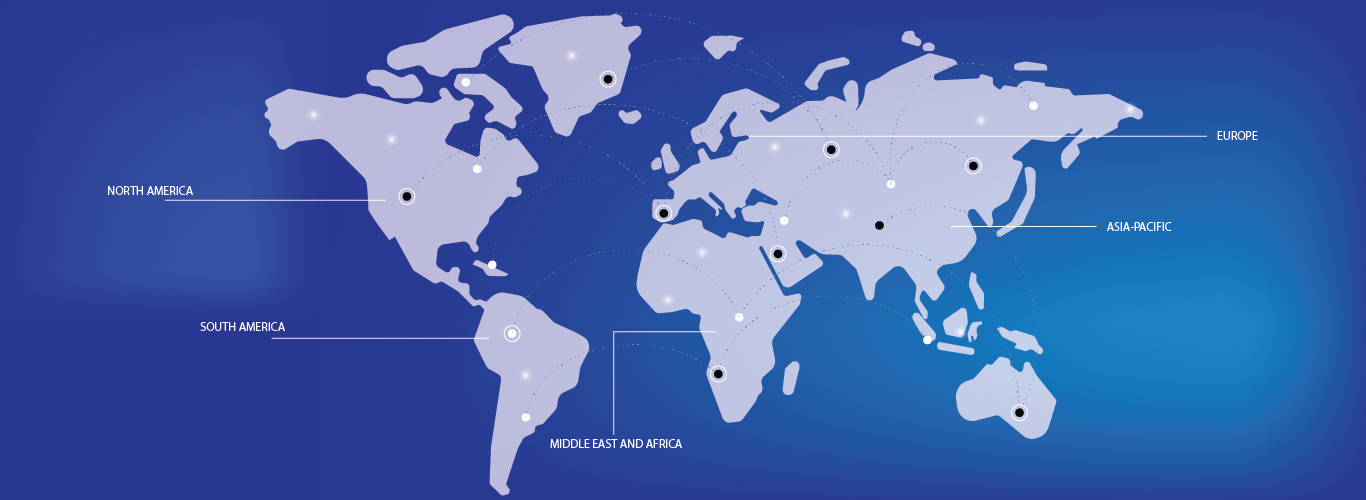
- North America dominated the myotonia congenita treatment market with the largest revenue share of 41.7% in 2024, characterized by early adoption of rare disease diagnostics, advanced healthcare infrastructure, and high awareness levels
- Asia-Pacific is expected to be the fastest growing region in the myotonia congenita treatment market during the forecast period, with a projected CAGR of 7.9%, fueled by improving healthcare accessibility, rising healthcare expenditure, and increased government initiatives to address rare diseases in countries like China, Japan, and India
- The medication segment dominated the myotonia congenita treatment market with the largest revenue share of 57.2% in 2024, driven by the widespread use of sodium channel blockers, anticonvulsants, and muscle relaxants to manage myotonic symptoms. The consistent reliance on pharmacological therapy—particularly in moderate to severe cases—reflects the effectiveness of these drugs in minimizing muscle stiffness, improving daily mobility, and enhancing overall quality of life for patients