- The nanotubes market is rapidly expanding due to their exceptional mechanical, electrical, and thermal properties, making them ideal for electronics, energy storage, and composite materials. Increasing R&D investments and technological advancements are driving innovative applications across various industries globally.
- Growing demand for lightweight and durable materials in automotive and aerospace sectors, along with rising healthcare applications like drug delivery and biosensors, propels market growth. However, high production costs and scalability challenges remain key obstacles for widespread commercialization.
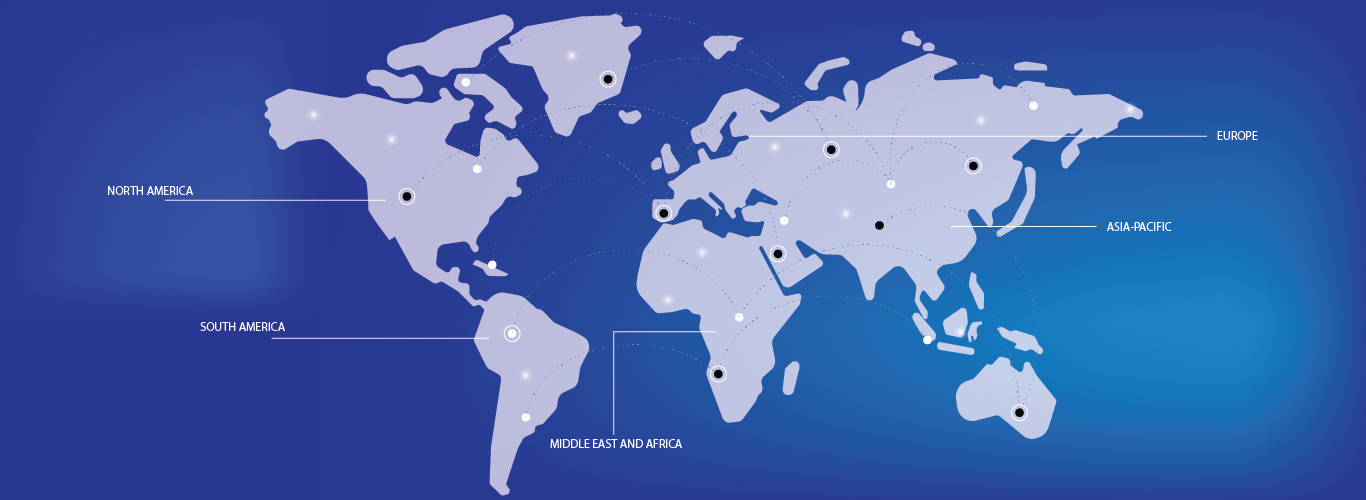
- Asia-Pacific (APAC) dominates the Nanotubes market with the largest revenue share of approximately 39% in 2025, driven by rapid industrialization, strong government support for nanotechnology, expanding electronics and automotive sectors, and increasing investments in research and development across key countries like China, Japan, and South Korea.
- Additionally, the APAC region benefits from a growing manufacturing base, rising demand for lightweight and high-performance materials, and increasing adoption of nanotubes in energy storage and healthcare applications, which collectively fuel the market’s robust growth and innovation opportunities.
- The Single-Walled Carbon Nanotubes (SWCNTS) segment is expected to dominate the Nanotubes market with a significant share of around 45% in 2025 driven by their superior electrical conductivity, high tensile strength, excellent thermal properties, and wide applications in electronics, energy storage, and biomedical fields.