- Neglected Tropical Diseases (NTDs) Treatment therapies, particularly those focused on antimicrobial, antiparasitic, and immunomodulatory strategies, are becoming increasingly essential in global health due to their ability to address chronic infections and long-term complications in underserved populations. These treatments are gaining traction in both research and clinical settings as global health priorities shift toward eliminating the burden of NTDs.
- The rising demand for NTDs treatment solutions is primarily driven by increased global awareness, international health initiatives (such as those led by WHO), and investments from both public and private sectors aimed at eradicating diseases like schistosomiasis, leishmaniasis, and lymphatic filariasis.
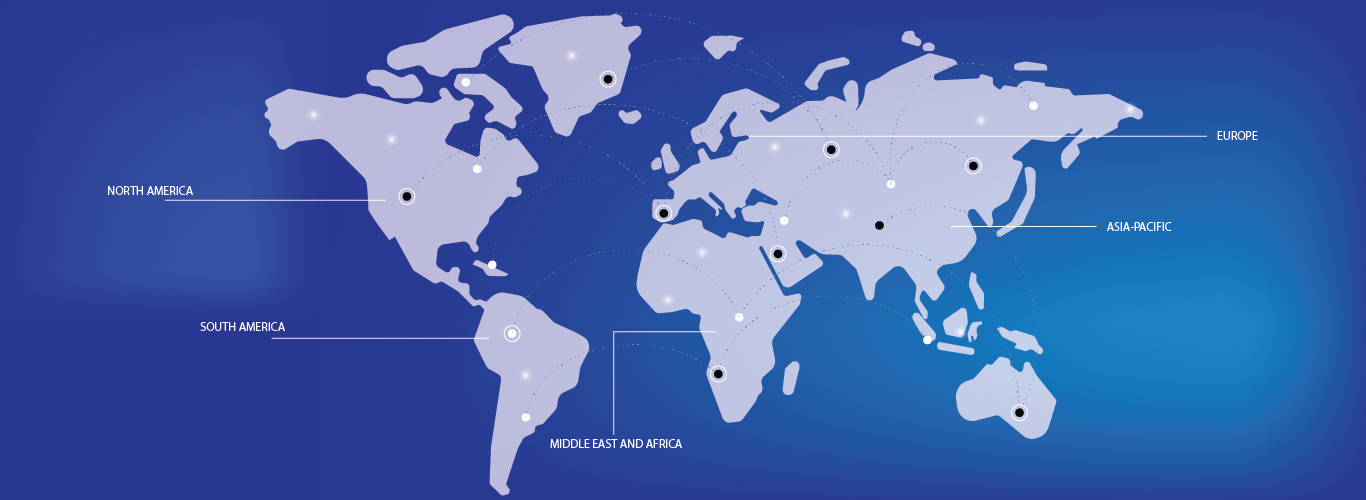
- North America dominates the Global Neglected Tropical Diseases Treatment Market with the largest revenue share of 40.01% in 2025, attributed to strong R&D infrastructure, funding support from global health organizations, and a concentration of biotech and pharmaceutical firms engaged in infectious disease drug development—particularly in the U.S.
- Asia-Pacific is expected to be the fastest-growing region in the Neglected Tropical Diseases Treatment Market during the forecast period, fueled by high disease prevalence, expanding access to healthcare services, and increased regional investment in NTD research and development.
- The Mediterranean Fever segment is projected to lead the Neglected Tropical Diseases Treatment market with a 43.2% share in 2025, driven by increasing clinical adoption of antileishmanial therapies, robust clinical trial activity, and the urgent need for effective, standardized treatment options. Its prevalence across tropical and subtropical regions, combined with growing support from global health organizations and pharmaceutical partnerships, is fueling widespread implementation and market dominance within the NTD treatment landscape.