- Nephrogenic Diabetes Insipidus (NDI) is a rare kidney disorder characterized by the kidneys' inability to respond to antidiuretic hormone (ADH), making early diagnosis and personalized treatment crucial. Growing awareness, advancements in genetic testing, and improved pediatric screening protocols are increasing the demand for targeted therapies and supportive care solutions
- The rising incidence of X-linked genetic mutations and secondary causes of NDI (such as lithium therapy and chronic kidney conditions) are fueling innovation in treatment options. As a result, demand for specialized pharmaceutical interventions, hydration therapies, and low-solute diets is increasing, contributing to overall market growth
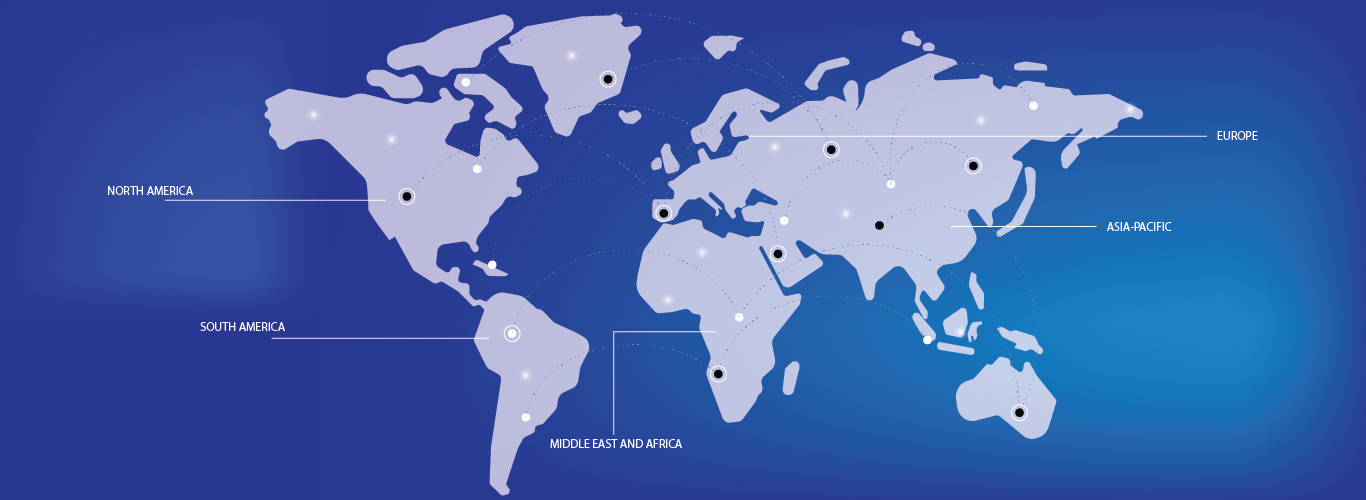
- North America dominated the nephrogenic diabetes insipidus market with the largest revenue share of 41.6% in 2024, driven by early adoption of advanced diagnostics, strong healthcare infrastructure, high awareness among healthcare professionals, and the presence of key pharmaceutical players. The U.S. contributes significantly, owing to active clinical trials and research into gene-targeted therapies
- Asia-Pacific is expected to be the fastest-growing region in the nephrogenic diabetes insipidus market during the forecast period, with a projected CAGR of 9.8% from 2025 to 2032, supported by rising healthcare investments, increasing awareness of rare diseases, and growing availability of genetic testing in countries such as China, Japan, and India
- The excessive urine production (polyuria) segment dominated the nephrogenic diabetes insipidus market with a market share of 49.3% in 2024, driven by its high prevalence among diagnosed cases and its critical role in early disease identification, prompting timely medical intervention and ongoing management strategies