- Neuromodulation devices are essential medical tools used to alter nerve activity for the treatment of chronic pain, neurological disorders, and other medical conditions. These devices work by delivering electrical or chemical stimuli to specific neural pathways
- The demand for these devices is significantly driven by the increasing prevalence of chronic pain, Parkinson's disease, epilepsy, and psychiatric disorders, along with advancements in device technology and rising patient awareness
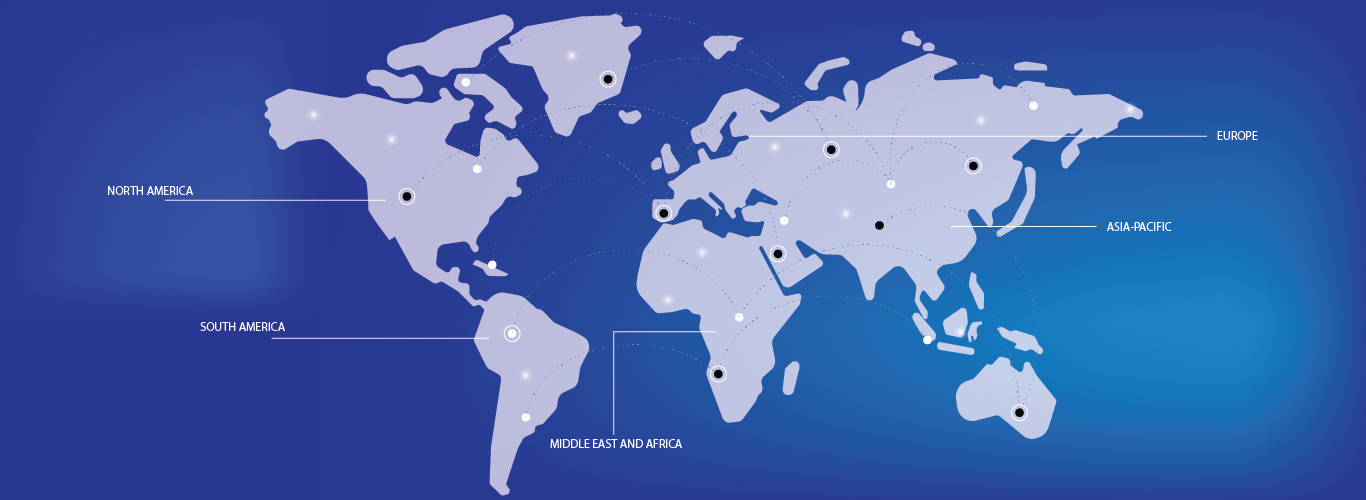
- North America is expected to dominate the neuromodulation market, accounting for approximately 45.9% of the global market share, driven by advanced healthcare infrastructure, high adoption of cutting-edge medical technologies, and the strong presence of key market players
- Asia-Pacific is expected to be the fastest growing region in the neuromodulation market, accounting for approximately 25.7% of the global market share, driven by rapid healthcare infrastructure expansion, rising awareness about neurological disorders, and increasing healthcare spending
- Spinal cord stimulation segment is expected to dominate the neuromodulation market with the largest share of approximately 50.6% in 2025 due to its widespread use in chronic pain management. As the most established neuromodulation therapy, spinal cord stimulation is supported by a strong clinical history and significant evidence for its effectiveness in reducing pain and improving patient quality of life