- Next-generation biomanufacturing, offering advanced modular, continuous, and single-use production solutions, is becoming a critical pillar in modern biologics development due to its ability to enhance efficiency, reduce contamination risk, and streamline scaling in both clinical and commercial production settings
- The escalating demand for next-generation biomanufacturing is primarily fueled by the rising global burden of chronic diseases, surging biologics pipeline, and the growing preference for flexible, cost-efficient, and accelerated production systems in the biopharmaceutical sector
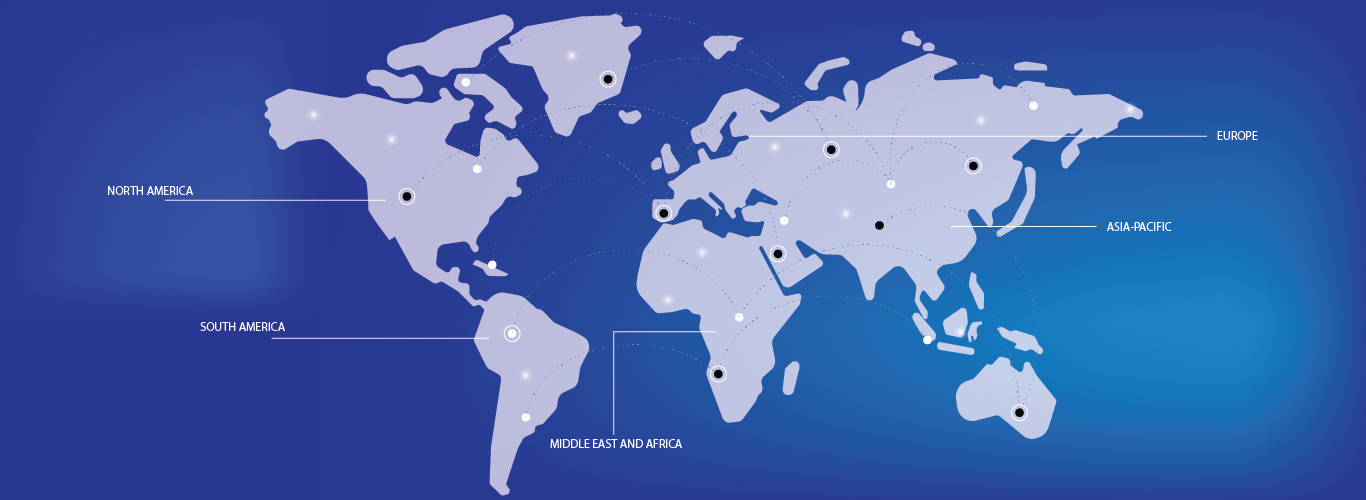
- North America dominated the next-generation biomanufacturing market with the largest revenue share of 42.8% in 2024, characterized by early adoption of advanced bioprocess technologies, strong biotech R&D funding, and a concentration of key players. The U.S. has witnessed substantial growth in continuous manufacturing facilities, particularly in the production of cell and gene therapies, driven by strategic partnerships and FDA support for innovation
- Asia‑Pacific is expected to be the fastest-growing region, projecting a CAGR of 26.4% from 2025 to 2032 in the Next‑Generation Biomanufacturing market. This rapid growth is driven by government initiatives aimed at boosting biomanufacturing capacity, a surge in biotech startups, and rising investments in countries such as China, India, and South Korea
- The continuous upstream biomanufacturing segment dominated the next-generation biomanufacturing market with a market share of 45.3% in 2024, due to its advantages in operational efficiency, footprint reduction, and suitability for high-throughput biologics production, especially for monoclonal antibodies and personalized therapies