- Non-PVC IV bags, offering a safer and more environmentally friendly alternative to traditional PVC-based intravenous solutions, are becoming increasingly vital in modern healthcare settings due to their reduced risk of plasticizer leaching, biocompatibility, and enhanced patient safety. These bags are widely used for chemotherapy, parenteral nutrition, and other sensitive drug formulations
- The escalating demand for Non-PVC IV bags is primarily fueled by the growing awareness of the health risks associated with DEHP-containing PVC bags, the increasing preference for eco-friendly medical packaging, and the rising number of hospitalizations requiring IV therapies globally
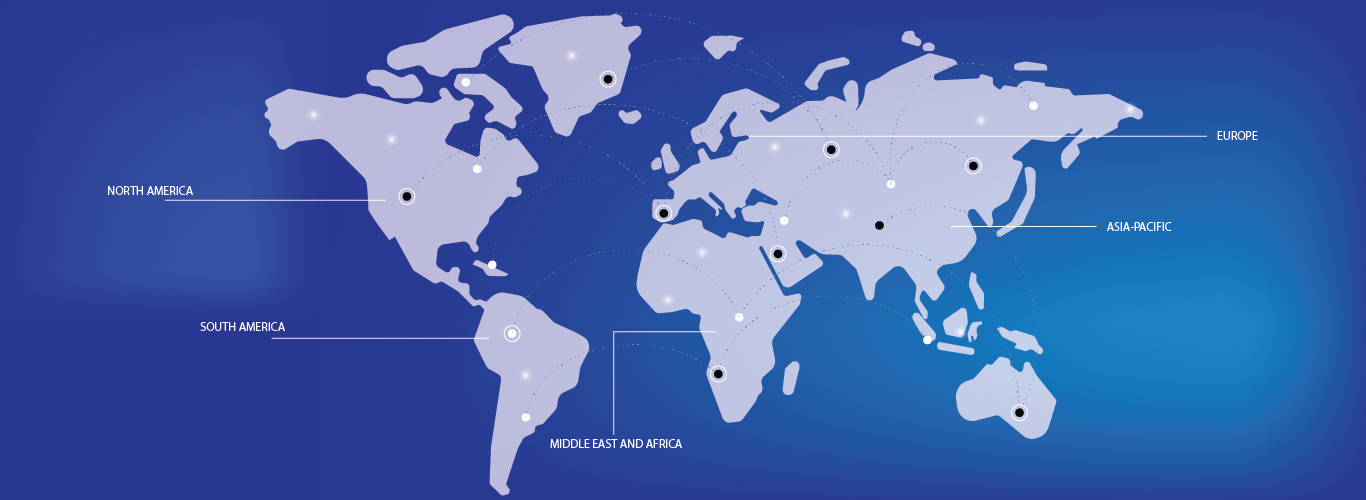
- Europe dominated the Non-PVC IV bags Market with the largest revenue share of 38.6% in 2024, attributed to stringent regulatory policies discouraging PVC usage, high healthcare standards, and rapid adoption of sustainable medical products. Countries like Germany and France are leading in transitioning toward DEHP-free IV solutions
- Asia-Pacific is expected to witness the fastest growth, registering a CAGR of 7.8% from 2025 to 2032, driven by increasing healthcare expenditure, expanding patient population, and government initiatives to modernize medical infrastructure, especially in India, China, and Southeast Asia
- The single-chambered segment dominated the market with the largest revenue share of 67.4% in 2024, owing to its widespread usage in standard fluid and electrolyte administration across hospitals and emergency care centers. These bags are easier to manufacture and are cost-effective, making them a popular choice for general applications