


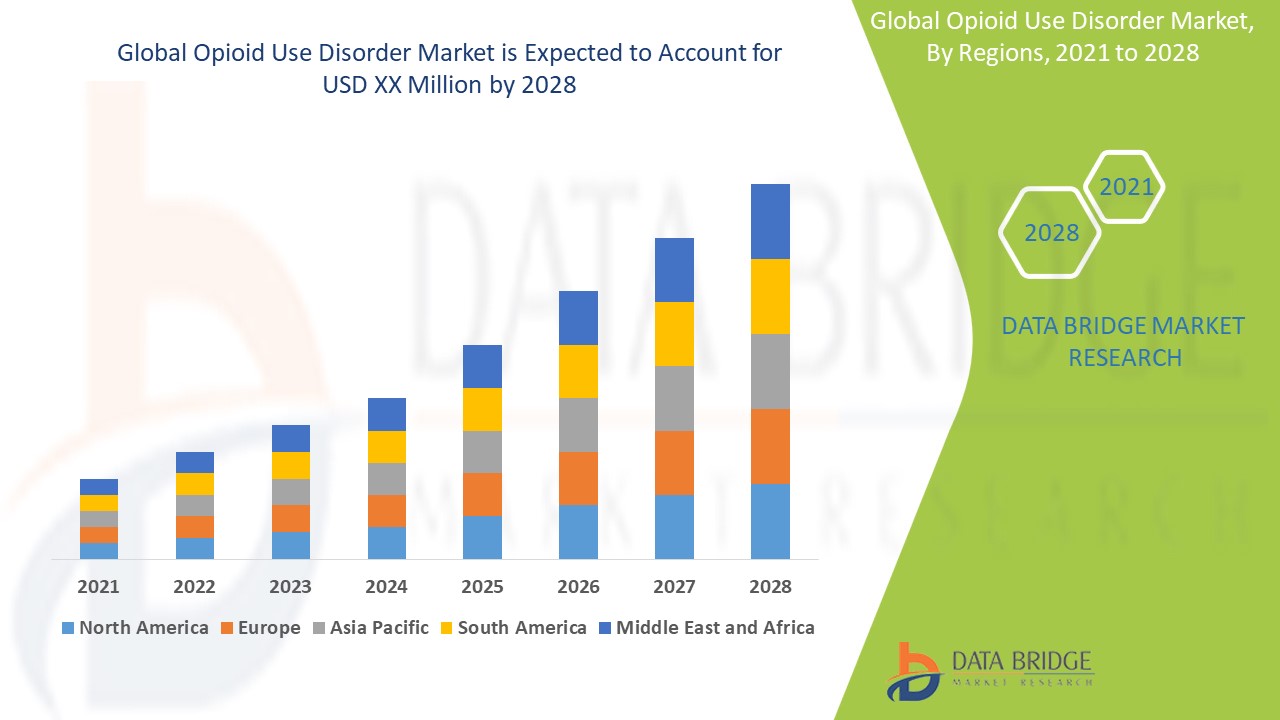
Opioid Use Disorder Market Analysis
The opioid use disorder market has experienced significant growth due to the rising number of individuals affected by opioid addiction and the increasing focus on treatment solutions. This market is driven by the growing awareness about opioid-related health issues and the introduction of advanced treatment methods. With an increasing number of opioid addiction cases globally, there is a rising demand for various treatment options, such as medication-assisted therapies, rehabilitation programs, and counselling services. Pharmaceutical companies and healthcare providers are investing heavily in developing effective medications that can help reduce opioid cravings and withdrawal symptoms.
Moreover, the market is also witnessing the development of digital health solutions, such as mobile applications and telemedicine, that offer virtual care and support for individuals with opioid use disorder. This shift toward technology-based interventions is opening new avenues for market growth. As healthcare systems continue to prioritize the treatment of opioid addiction, there is an increasing number of specialized treatments centers and programs available for patients.
The opioid use disorder market continues to expand as governments, healthcare organizations, and the pharmaceutical industry work together to address the opioid crisis with innovative and comprehensive treatment strategies. This collaborative approach is expected to further enhance market growth in the coming years, providing better outcomes for individuals affected by opioid addiction.
Opioid Use Disorder Market Size
The opioid use disorder market size was valued at USD 5.78 billion in 2024 and is projected to reach USD 10.77 billion by 2032, with a CAGR of 8.10% during the forecast period of 2025 to 2032. In addition to the insights on market scenarios such as market value, growth rate, segmentation, geographical coverage, and major players, the market reports curated by the Data Bridge Market Research also include depth expert analysis, patient epidemiology, pipeline analysis, pricing analysis, and regulatory framework.
Opioid Use Disorder Market Trends
"Increasing Adoption of Medication-Assisted Treatment (MAT) Using Drugs”
The increasing adoption of medication-assisted treatment (MAT) using drugs such as buprenorphine and methadone is one of the most significant trends in the opioid use disorder market. MAT combines the use of medications with counselling and behavioural therapies to treat opioid addiction more effectively. Buprenorphine and methadone are the most widely used medications in this approach, and both play a vital role in reducing opioid cravings, alleviating withdrawal symptoms, and preventing relapse.
Buprenorphine is a partial agonist, which means it activates opioid receptors to a lesser extent than full agonists such as heroin or morphine, making it effective in managing cravings without producing a high. Methadone, a long-acting full agonist, works similarly but is more commonly used in controlled, clinical settings. Both drugs help individuals stabilize their lives and reduce the risk of overdose, leading to improved recovery outcomes.
This trend has gained traction due to growing evidence of the effectiveness of MAT in promoting long-term recovery. As healthcare providers recognize the importance of treating opioid addiction as a chronic disease, the use of MAT has become a cornerstone in addressing the opioid crisis. In addition, MAT is increasingly viewed as a comprehensive treatment strategy that not only tackles physical dependence but also addresses the psychological aspects of addiction through integrated therapy.
The wider adoption of MAT is supported by policy changes and healthcare initiatives, making it more accessible to a broader range of individuals struggling with opioid use disorder. As a result, MAT is becoming an essential component of the opioid use disorder market, driving improvements in patient outcomes and contributing to the overall expansion of the market.
Report Scope Opioid Use Disorder Market Segmentation
|
Attributes |
Opioid Use Disorder Key Market Insights |
|
Segments Covered
|
|
|
Countries Covered |
U.S., Canada and Mexico in North America, Germany, France, U.K., Netherlands, Switzerland, Belgium, Russia, Italy, Spain, Turkey, Rest of Europe in Europe, China, Japan, India, South Korea, Singapore, Malaysia, Australia, Thailand, Indonesia, Philippines, Rest of Asia-Pacific (APAC) in the Asia-Pacific (APAC), Saudi Arabia, U.A.E, South Africa, Egypt, Israel, Rest of Middle East and Africa (MEA) as a part of Middle East and Africa (MEA), Brazil, Argentina and Rest of South America as part of South America |
|
Key Market Players |
Indivior PLC (U.K.), Teva Pharmaceutical Industries Ltd. (Israel), Omeros Corporation (U.S.), Camurus AB (Sweden), Hikma Pharmaceuticals PLC (U.K.), Titan Pharmaceuticals, Inc. (U.S.), Alkermes (U.S.), Novartis AG (Switzerland), Digital Therapeutics Alliance (U.S.), Amygdala Neurosciences, Inc. (U.S.), Orexo AB (Sweden), Braeburn Inc. (U.S.), X BIOPHARMA LTD (Singapore), Relmada Therapeutics, Inc. (U.S.), Mundipharma International Limited (U.K.) |
|
Market Opportunities |
|
|
Value Added Data Infosets |
In addition to the insights on market scenarios such as market value, growth rate, segmentation, geographical coverage, and major players, the market reports curated by the Data Bridge Market Research also include depth expert analysis, patient epidemiology, pipeline analysis, pricing analysis, and regulatory framework. |
Opioid Use Disorder Market Definition
Opioid use disorder (OUD) is a medical condition characterized by the compulsive and harmful consumption of opioids, despite negative impacts on an individual’s health, relationships, and daily functioning. It involves physical dependence, increased tolerance, and often leads to withdrawal symptoms when the drug use is reduced or stopped. Individuals with OUD may struggle with controlling their opioid use and may prioritize obtaining and using opioids over other important activities.
Opioid Use Disorder Market Dynamics
Drivers
- Rising Prevalence of Opioid Addiction
The increasing number of individuals suffering from opioid use disorder is a major driver of the market. The opioid crisis, particularly in countries such as the United States, has led to a surge in cases of opioid abuse and addiction. As the opioid epidemic continues to worsen, the demand for effective treatment options has risen significantly. This has spurred the growth of the opioid use disorder market, with governments, healthcare providers, and pharmaceutical companies investing in research and the development of new medications and therapies. The increase in opioid-related overdose deaths has also raised awareness of the need for better prevention and treatment strategies, further fuelling the market demand.
- Advancements in Medication-Assisted Treatment (MAT)
Medication-assisted treatment (MAT) is one of the most effective approaches for managing opioid use disorder, combining medications such as methadone, buprenorphine, and naltrexone with counselling and therapy. The growing adoption of MAT as a standard treatment option is driving the market's expansion. These medications help reduce cravings, manage withdrawal symptoms, and prevent relapse, improving long-term recovery outcomes. The continued development of MAT therapies, including new formulations and treatments tailored to specific patient needs, further supports the market's growth.
Opportunities
- Development of Digital Health Solutions
The rise of digital health technologies, such as telemedicine platforms and mobile applications, presents a significant opportunity for the opioid use disorder market. These technologies enable remote monitoring, virtual counselling, and continuous support for individuals with opioid use disorder, increasing accessibility and convenience for patients, especially in underserved regions. As more people seek convenient and flexible treatment options, these digital solutions are expected to play a pivotal role in expanding access to care and improving outcomes for individuals with opioid addiction.
- Expansion of Treatment Centers and Programs
As the opioid crisis continues to grow, there is a growing opportunity to expand treatment centers and rehabilitation programs worldwide. Governments and private entities are increasing investments in establishing specialized addiction treatment facilities that offer both inpatient and outpatient services. These centers provide comprehensive care, including medication-assisted therapy, counselling, and support groups, which are essential for effective recovery. In addition, integrating holistic treatments and personalized care plans into these programs creates further opportunities for market growth, as individualized approaches to opioid use disorder are shown to yield better outcomes.
Restraints/Challenges
- Stigma Associated with Addiction Treatment
One of the major challenges in the opioid use disorder market is the stigma associated with addiction treatment. Despite increasing awareness and improved access to care, individuals struggling with opioid addiction often face social stigma and discrimination. This can prevent them from seeking treatment or engaging fully in recovery programs. The stigma surrounding addiction can hinder the adoption of treatment options, especially in regions where societal views about addiction remain negative. Overcoming this stigma requires continuous efforts to educate the public, healthcare providers, and policymakers about the chronic nature of addiction and the importance of accessible, non-judgmental care.
- Limited Access to Treatment in Rural and Underserved Areas
A significant challenge in addressing opioid use disorder is the lack of access to treatment services in rural and underserved areas. Many individuals in these regions face barriers to receiving timely and adequate care, such as a shortage of treatment centers, healthcare professionals, and transportation issues. This lack of access exacerbates the opioid crisis, as individuals may be unable to obtain the necessary treatments, medications, or counselling services to manage their condition effectively. Expanding healthcare infrastructure and improving service accessibility in these areas remain critical challenges for market growth.
This market report provides details of new recent developments, trade regulations, import-export analysis, production analysis, value chain optimization, market share, impact of domestic and localized market players, analyses opportunities in terms of emerging revenue pockets, changes in market regulations, strategic market growth analysis, market size, category market growths, application niches and dominance, product approvals, product launches, geographic expansions, technological innovations in the market. To gain more info on the market contact Data Bridge Market Research for an Analyst Brief, our team will help you take an informed market decision to achieve market growth.
Opioid Use Disorder Market Scope
The market is segmented on the basis of drug, application, mode of administration, distribution channel and end-user growth amongst these segments will help you analyze meagre growth segments in the industries and provide the users with a valuable market overview and market insights to help them make strategic decisions for identifying core market applications.
Drug
- Buprenorphine
- BELBUCA
- Sublocade
- Suboxone
- Zubsolv
- Others
- Methadone
- Naltrexone
Application
- Moderate Pain Treatment
- Severe Pain Treatment
Mode of Administration
- Injectables
- Oral
- Others
Distribution Channel
- Hospital Pharmacies
- Retail Pharmacies
- Online Pharmacies
End User
- Hospitals
- Homecare
- Specialty Clinics
- Others
Opioid Use Disorder Market Regional Analysis
The market is analysed and market size insights and trends are provided by country drug, application, mode of administration, distribution channel and end-user as referenced above.
The countries covered in the market report are U.S., Canada, Mexico in North America, Germany, Sweden, Poland, Denmark, Italy, U.K., France, Spain, Netherland, Belgium, Switzerland, Turkey, Russia, Rest of Europe in Europe, Japan, China, India, South Korea, New Zealand, Vietnam, Australia, Singapore, Malaysia, Thailand, Indonesia, Philippines, Rest of Asia-Pacific (APAC) in Asia-Pacific (APAC), Brazil, Argentina, Rest of South America as a part of South America, U.A.E, Saudi Arabia, Oman, Qatar, Kuwait, South Africa, Rest of Middle East and Africa (MEA) as a part of Middle East and Africa (MEA).
North America dominates the opioid use disorder market due to significant government initiatives and the presence of prominent players within the region. The United States, in particular, has been at the forefront of addressing the opioid crisis, with various legislative actions, such as the Comprehensive Addiction and Recovery Act (CARA), aimed at improving access to treatment, prevention programs, and recovery support. The market is further driven by a robust healthcare infrastructure, increased funding for addiction treatment, and the widespread availability of medication-assisted treatment (MAT). The involvement of major pharmaceutical companies and healthcare providers in North America has also led to significant advancements in treatment options, contributing to the region's dominance in the market.
Asia-Pacific is expected to be the fastest-growing region in the Opioid Use Disorder market. This growth is driven by a rise in awareness about opioid addiction and its impact on society. As countries in the region, particularly India and China, experience an increase in opioid-related issues, there is a growing demand for effective treatment options. Furthermore, governments and healthcare organizations are beginning to take more proactive steps in addressing the opioid crisis, which is expected to further accelerate market growth. With an increasing focus on healthcare infrastructure and addiction treatment programs, the Asia-Pacific region presents a promising opportunity for market expansion in the coming years.
The country section of the report also provides individual market impacting factors and changes in regulation in the market domestically that impacts the current and future trends of the market. Data points such as down-stream and upstream value chain analysis, technical trends and porter's five forces analysis, case studies are some of the pointers used to forecast the market scenario for individual countries. Also, the presence and availability of global brands and their challenges faced due to large or scarce competition from local and domestic brands, impact of domestic tariffs and trade routes are considered while providing forecast analysis of the country data.
Opioid Use Disorder Market Share
The market competitive landscape provides details by competitor. Details included are company overview, company financials, revenue generated, market potential, investment in research and development, new market initiatives, global presence, production sites and facilities, production capacities, company strengths and weaknesses, product launch, product width and breadth, application dominance. The above data points provided are only related to the companies' focus related to market.
Opioid Use Disorder Market Leaders Operating in the Market Are:
- Indivior PLC (U.K.)
- Teva Pharmaceutical Industries Ltd. (Israel)
- Omeros Corporation (U.S.)
- Camurus AB (Sweden)
- Hikma Pharmaceuticals PLC (U.K.)
- Titan Pharmaceuticals, Inc (U.S.)
- Alkermes (U.S.)
- Novartis AG (Switzerland)
- Digital Therapeutics Alliance (U.S.)
- Amygdala Neurosciences, Inc. (U.S.)
- Orexo AB (Sweden)
- Braeburn Inc. (U.S.)
- X BIOPHARMA LTD (Singapore)
- Relmada Therapeutics, Inc. (U.S.)
- Mundipharma International Limited (U.K.)
Latest Developments in Opioid Use Disorder Market
- In August 2023, Alkermes, announced a settlement regarding a Teva-related patent dispute over Vivitrol (naltrexone for extended-release injectable suspension). This development involves resolving a legal dispute between Alkermes and Teva Pharmaceutical Industries Ltd. concerning the Vivitrol patent. Under the settlement, Teva will be allowed to launch its generic version of Vivitrol in 2026, contingent upon specific conditions. This agreement benefits Alkermes by providing financial compensation and clarity over its patent rights, while Teva gains access to the generic market in the future, offering patients more affordable options for opioid use disorder and alcohol dependence treatment.
- In July 2023, Titan Pharmaceuticals, Inc., announced the sale of certain ProNeura-related assets. This development involves the sale of its ProNeura business to another company, which will continue to focus on developing and commercializing the ProNeura implant. This transaction aims to streamline Titan Pharmaceuticals’ operations and enhance its strategic focus. The sale is expected to benefit the company by allowing it to concentrate on its core drug development pipeline, while the buyer will work to expand the reach and availability of the ProNeura technology, providing better treatment options for patients.
- In March 2023, Indivior PLC announced the completion of its acquisition of Opiant Pharmaceuticals, Inc. This strategic acquisition allows Indivior to expand its portfolio in the treatment of opioid use disorder and addiction. The acquisition includes Opiant's pipeline of innovative therapies, including nasal naloxone, which is designed to reverse opioid overdose. This development will benefit Indivior by enhancing its ability to offer a broader range of addiction treatment options and strengthen its position in the opioid use disorder market, ultimately improving patient outcomes with more accessible and effective treatment solutions.

- Interactive Data Analysis Dashboard
- Company Analysis Dashboard for high growth potential opportunities
- Research Analyst Access for customization & queries
- Competitor Analysis with Interactive dashboard
- Latest News, Updates & Trend analysis
- Harness the Power of Benchmark Analysis for Comprehensive Competitor Tracking
Data collection and base year analysis are done using data collection modules with large sample sizes. The stage includes obtaining market information or related data through various sources and strategies. It includes examining and planning all the data acquired from the past in advance. It likewise envelops the examination of information inconsistencies seen across different information sources. The market data is analysed and estimated using market statistical and coherent models. Also, market share analysis and key trend analysis are the major success factors in the market report. To know more, please request an analyst call or drop down your inquiry.
The key research methodology used by DBMR research team is data triangulation which involves data mining, analysis of the impact of data variables on the market and primary (industry expert) validation. Data models include Vendor Positioning Grid, Market Time Line Analysis, Market Overview and Guide, Company Positioning Grid, Patent Analysis, Pricing Analysis, Company Market Share Analysis, Standards of Measurement, Global versus Regional and Vendor Share Analysis. To know more about the research methodology, drop in an inquiry to speak to our industry experts.
Data Bridge Market Research is a leader in advanced formative research. We take pride in servicing our existing and new customers with data and analysis that match and suits their goal. The report can be customized to include price trend analysis of target brands understanding the market for additional countries (ask for the list of countries), clinical trial results data, literature review, refurbished market and product base analysis. Market analysis of target competitors can be analyzed from technology-based analysis to market portfolio strategies. We can add as many competitors that you require data about in the format and data style you are looking for. Our team of analysts can also provide you data in crude raw excel files pivot tables (Fact book) or can assist you in creating presentations from the data sets available in the report.












