


Organic Bedding Market Size
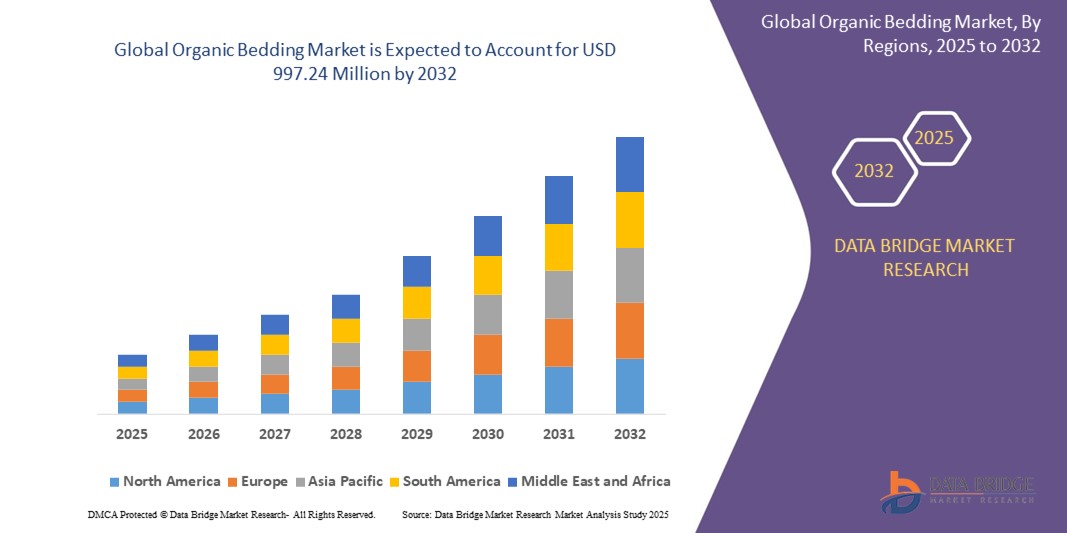
- The global organic bedding market size was valued at USD 649.80 million in 2024 and is expected to reach USD 997.24 million by 2032, at a CAGR of 5.50% during the forecast period
- The market growth is largely fuelled by the rising consumer preference for sustainable and chemical-free home textiles, growing awareness regarding health and environmental concerns, and increasing adoption of organic lifestyle practices, particularly among millennials and urban populations
- In addition, the growing prevalence of skin allergies, asthma, and sleep disorders is encouraging consumers to invest in organic bedding products that are free from harmful substances and promote a healthier sleep environment
Organic Bedding Market Analysis
- The market is experiencing steady expansion due to heightened demand for hypoallergenic, breathable, and eco-friendly bedding products made from certified organic materials such as organic cotton, bamboo, and hemp
- Growing concerns over synthetic dyes, pesticides, and chemical treatments used in conventional bedding are encouraging consumers to shift toward organic alternatives that promote better sleep and reduce skin and respiratory irritations
- North America held the largest revenue share in the global organic bedding market of 29.5% in 2024, driven by rising awareness of chemical-free and sustainable bedding products and growing consumer preference for eco-friendly home goods
- Asia-Pacific region is expected to witness the highest growth rate in the global organic bedding market, driven by increasing disposable incomes, heightened environmental concerns, and a surge in demand for premium, sustainable lifestyle products in emerging economies such as China, India, and Indonesia
- The bed linen segment dominated the market with the largest revenue share of 34.5% in 2024, driven by growing consumer preference for natural and chemical-free fabrics in everyday home textiles. Organic bed linens made from certified materials such as organic cotton or bamboo are perceived to offer better skin compatibility and breathability, making them popular among health-conscious and eco-aware consumers. The increasing availability of stylish, comfortable, and sustainably produced bed linens through both online and offline platforms has further strengthened the segment’s dominance
Report Scope and Organic Bedding Market Segmentation
|
Attributes |
Organic Bedding Key Market Insights |
|
Segments Covered |
|
|
Countries Covered |
North America
Europe
Asia-Pacific
Middle East and Africa
South America
|
|
Key Market Players |
|
|
Market Opportunities |
• Growing Demand or Sustainable Aand Eco-Friendly Home Textiles |
|
Value Added Data Infosets |
In addition to the insights on market scenarios such as market value, growth rate, segmentation, geographical coverage, and major players, the market reports curated by the Data Bridge Market Research also include in-depth expert analysis, pricing analysis, brand share analysis, consumer survey, demography analysis, supply chain analysis, value chain analysis, raw material/consumables overview, vendor selection criteria, PESTLE Analysis, Porter Analysis, and regulatory framework. |
Organic Bedding Market Trends
“Increasing Preference for Natural and Chemical-Free Sleep Solutions”
- The growing demand for eco-friendly and chemical-free household products is transforming the bedding industry, as consumers increasingly prioritize health-conscious and sustainable options that minimize exposure to synthetic dyes, flame retardants, and pesticide-treated fabrics typically found in conventional bedding
- Certified organic materials such as Global Organic Textile Standard (GOTS) cotton, bamboo, and hemp are gaining widespread adoption due to their non-toxic nature, biodegradable properties, and reduced environmental impact, aligning with the lifestyle values of environmentally aware consumers
- Premium bedding brands are differentiating themselves by offering transparency in sourcing, traceability, and third-party certifications that validate their sustainability claims, appealing especially to millennial and Gen Z buyers seeking accountability in household purchases
- For instance, brands such as Avocado Green Mattress and Coyuchi have seen increased market traction due to their fully certified product lines and sustainable manufacturing practices, which resonate with ethical shoppers in the U.S. and European Union
- This trend is not only reshaping product innovation but also encouraging retailers to adopt greener supply chains, driving the organic bedding market toward mainstream acceptance and long-term expansion
Organic Bedding Market Dynamics
Driver
“Growing Environmental Awareness and Shift Toward Sustainable Living”
- Rising environmental consciousness and increasing awareness of the harmful impacts of synthetic fabrics are encouraging consumers to adopt organic alternatives in bedding, driving demand for naturally sourced materials that support personal well-being and ecological responsibility
- Organic bedding products made from sustainably farmed cotton, bamboo, or wool are free from harmful chemicals and are manufactured using low-impact processes that align with global sustainability goals and health-centric lifestyles
- Growing influence of eco-labels and certifications such as GOTS, OEKO-TEX, and USDA Organic are building consumer trust and influencing purchasing decisions, particularly in developed regions with higher environmental literacy and disposable income
- For instance, according to the Organic Trade Association, organic home textile sales in the U.S. reached record highs in 2023, driven by increased preference for non-toxic and certified organic bedding among health-conscious urban populations
- This strong environmental driver is not only encouraging manufacturers to invest in cleaner production but also pushing retailers and e-commerce platforms to expand their organic bedding offerings, enhancing availability and accelerating global market penetration
Restraint/Challenge
“High Cost of Organic Bedding Compared to Conventional Alternatives”
- The relatively high cost of organic bedding compared to conventional bedding products is acting as a key barrier to mass adoption, as budget-conscious consumers in both developing and developed economies are unable or unwilling to afford premium-priced sustainable alternatives
- Organic production involves labor-intensive farming practices, third-party certifications, and eco-friendly processing that significantly raise material and manufacturing costs, which are passed on to consumers in the form of elevated retail prices
- Limited scalability and fragmented supply chains in the organic textile industry further compound pricing challenges, making it difficult for manufacturers to lower costs without compromising on environmental standards or product quality
- For instance, a certified organic cotton sheet set in the U.S. typically costs 30–50% more than a conventional polyester or blended cotton alternative, discouraging price-sensitive households from switching despite the known health and ecological benefits
- This cost differential continues to restrain the market, particularly in emerging regions, highlighting the need for innovation in affordable organic materials and greater supply chain efficiencies to drive wider adoption across income segments
Organic Bedding Market Scope
The market is segmented on the basis of product type, application, and distribution channel.
- By Product Type
On the basis of product type, the organic bedding market is segmented into mattress, bed linen, pillows, blankets, and others. The bed linen segment dominated the market with the largest revenue share of 34.5% in 2024, driven by growing consumer preference for natural and chemical-free fabrics in everyday home textiles. Organic bed linens made from certified materials such as organic cotton or bamboo are perceived to offer better skin compatibility and breathability, making them popular among health-conscious and eco-aware consumers. The increasing availability of stylish, comfortable, and sustainably produced bed linens through both online and offline platforms has further strengthened the segment’s dominance.
The mattress segment is expected to witness the fastest growth rate from 2025 to 2032, supported by rising awareness of the health impacts of synthetic foams and flame retardants commonly used in traditional mattresses. Organic mattresses, often made from natural latex, wool, and organic cotton, are gaining popularity among environmentally responsible consumers and those with sensitivities to allergens or harsh chemicals. The growing number of organic mattress certifications and supportive government regulations on sustainable materials are expected to further fuel demand.
- By Raw Material
On the basis of raw material, the organic bedding market is segmented into cotton and linen. The cotton segment dominated the market with the largest revenue share in 2024, driven by its widespread use in bedding products and consumer familiarity with the material’s softness, durability, and breathability. Organic cotton, grown without synthetic pesticides or fertilizers, is increasingly preferred for its eco-friendly profile and reduced environmental impact. The segment also benefits from expanding retail offerings and third-party certifications that assure product authenticity, further encouraging consumers to switch to organic cotton options.
The linen segment is expected to witness the fastest growth rate from 2025 to 2032, propelled by rising demand for premium, naturally breathable fabrics that regulate temperature and resist moisture. Linen’s hypoallergenic and biodegradable nature makes it an attractive choice among consumers seeking sustainable luxury. The growing popularity of minimalist and wellness-inspired home aesthetics has further boosted the appeal of organic linen in the bedding industry.
- By Application
On the basis of application, the market is segmented into commercial application and household application. The household application segment accounted for the largest market revenue share in 2024, driven by increasing consumer focus on healthier living environments and indoor wellness. Families are seeking bedding that minimizes chemical exposure and supports better sleep quality, particularly in homes with children or individuals with allergies. The rising trend of home renovation and premium bedroom aesthetics is also contributing to higher sales of organic bedding in the household segment.
The commercial application segment is expected to witness the fastest growth rate from 2025 to 2032, fuelled by increasing adoption of sustainable and health-conscious practices in the hospitality and wellness sectors. Hotels, spas, and eco-resorts are increasingly investing in organic bedding to enhance guest experience, improve indoor air quality, and align with eco-certification standards. This shift reflects growing demand for sustainable luxury experiences across global hospitality chains and boutique accommodations.
- By Distribution Channel
On the basis of distribution channel, the organic bedding market is segmented into offline retail, online retail, independent retailers/exclusive stores, and specialty stores. The offline retail segment held the largest market share in 2024, supported by the preference for tactile evaluation of bedding products, personalized customer service, and the presence of well-established bedding showrooms and department stores. Many consumers opt to visit physical stores to assess comfort, fabric texture, and fit before making purchase decisions, especially for high-investment items such as organic mattresses or bedding sets.
The online retail segment is expected to witness the fastest growth rate from 2025 to 2032, driven by increasing digital literacy, convenience of home delivery, and growing e-commerce penetration across both developed and emerging markets. Direct-to-consumer brands offering certified organic bedding are leveraging digital platforms to reach niche audiences, while online marketplaces are expanding their eco-friendly home furnishing sections. The availability of customer reviews, virtual consultations, and easy return policies is further boosting consumer confidence in online purchases.
Organic Bedding Market Regional Analysis
• North America held the largest revenue share in the global organic bedding market of 29.5% in 2024, driven by rising awareness of chemical-free and sustainable bedding products and growing consumer preference for eco-friendly home goods
• Consumers in the region are increasingly choosing organic mattresses, pillows, and linens made from materials such as organic cotton and wool, encouraged by health concerns, skin sensitivities, and environmental impact
• The region’s demand is further supported by high disposable incomes, expanding wellness-focused lifestyles, and a well-developed retail infrastructure offering a wide range of certified organic bedding products
U.S. Organic Bedding Market Insight
The U.S. organic bedding market captured the largest share within North America in 2024, attributed to increasing consumer awareness regarding the harmful effects of synthetic fabrics and chemicals used in conventional bedding. A strong trend toward natural and sustainable living has led to a rise in demand for organic-certified products. The presence of leading brands offering transparent labeling and certifications, along with growth in e-commerce platforms specializing in organic home textiles, continues to drive market expansion across urban and suburban areas.
Europe Organic Bedding Market Insight
The Europe organic bedding market is expected to witness the fastest growth rate from 2025 to 2032, driven by rising consumer preference for sustainable lifestyle products and strict regulations around textile manufacturing and chemical usage. Countries in the region are emphasizing ethical sourcing, fair trade, and certifications such as Global Organic Textile Standard (GOTS), supporting the uptake of organic bedding. Demand is also growing in hospitality and eco-tourism sectors, where hotels are increasingly integrating organic bedding into their offerings to align with sustainability goals.
Germany Organic Bedding Market Insight
The Germany organic bedding market is expected to witness the fastest growth rate from 2025 to 2032, driven by heightened environmental consciousness and strong regulatory frameworks supporting sustainable textiles. German consumers place high value on product certifications, material traceability, and health-related benefits associated with organic bedding. Increasing urbanization and a rising trend of minimalist, wellness-oriented lifestyles are boosting demand for products such as organic mattresses, linens, and duvets made from locally sourced or responsibly imported materials.
U.K. Organic Bedding Market Insight
The U.K. organic bedding market is expected to witness the fastest growth rate from 2025 to 2032, supported by rising consumer inclination toward sustainable and non-toxic home products. Increasing awareness of the environmental impact of conventional textiles, coupled with a growing preference for ethically produced and certified organic materials, is driving demand for organic bedding. British consumers are becoming more health-conscious and are seeking hypoallergenic, breathable options, particularly in urban regions. The market is also witnessing traction from boutique hotels and eco-conscious hospitality providers adopting organic bedding as part of their sustainability commitments.
Asia-Pacific Organic Bedding Market Insight
The Asia-Pacific organic bedding market is expected to witness the fastest growth rate from 2025 to 2032, fueled by increasing health awareness, urbanization, and shifting consumer preferences in countries such as India, China, and Australia. Rising concerns over allergies and chemical sensitivity are prompting middle-class families to opt for organic alternatives in home furnishings. The market is also benefiting from expanding online retail networks and regional textile manufacturing capabilities that are enabling more affordable organic bedding solutions.
China Organic Bedding Market Insight
The China organic bedding market accounted for the largest revenue share in the Asia-Pacific region in 2024, supported by rapid urbanization, growing disposable incomes, and increased consumer concern regarding chemical exposure in household products. As the country becomes a significant producer of organic cotton and related materials, domestic availability of raw materials is encouraging the development of cost-effective organic bedding products. Government efforts promoting sustainable agriculture and green consumer goods are also contributing to the market’s growth.
Japan Organic Bedding Market Insight
The Japan organic bedding market is expected to witness the fastest growth rate from 2025 to 2032, driven by increasing consumer awareness of wellness and clean living. Japanese consumers prioritize high-quality, durable, and minimalistic home products, aligning well with the attributes of organic bedding. The aging population and growing sensitivity to skin and respiratory issues are encouraging the adoption of chemical-free bedding. Furthermore, the country’s cultural focus on cleanliness and harmony in living spaces supports the demand for products made with natural and organic materials.
Organic Bedding Market Share
The Organic Bedding industry is primarily led by well-established companies, including:
- Good Night Naturals (U.S.)
- Parachute Home (U.S.)
- COYUCHI (U.S.)
- L.L.Bean Inc. (U.S.)
- Boll & Branch LLC (U.S.)
- WJ Southard (U.S.)
- Plover Organic LLC (U.S.)
- Magnolia Organics (U.S.)
- Organic Mattresses, Inc. (U.S.)
- SOL Organics. (U.S.)
- Under the Canopy (U.S.)
Latest Developments in Global Organic Bedding Market
- In July 2024, SIJO launched a new product line with the introduction of its LuxeSoft Sateen Cotton Bedding Collection. This GOTS-certified organic collection offers a breathable, ultra-luxurious experience with a smooth, lustrous finish. It highlights the brand’s dedication to sustainability and ethical manufacturing, enhancing consumer trust and supporting market growth for premium organic bedding
- In July 2024, Naturepedic announced a product expansion with its largest organic bedding collection to date. The launch features five new fabric lines, including duvet covers, pillow shams, inserts, and blankets. Known for its GOTS-certified and EWG VERIFIED® products, this move reinforces Naturepedic’s leadership in the organic segment and strengthens its position in the growing eco-conscious bedding market
- In February 2022, Parachute expanded its portfolio with the launch of its first organic collection, including GOTS-certified bedding and bath items. This development reflects the company’s commitment to sustainable materials and production, appealing to environmentally aware consumers and boosting demand within the organic bedding space

- Interactive Data Analysis Dashboard
- Company Analysis Dashboard for high growth potential opportunities
- Research Analyst Access for customization & queries
- Competitor Analysis with Interactive dashboard
- Latest News, Updates & Trend analysis
- Harness the Power of Benchmark Analysis for Comprehensive Competitor Tracking
Data collection and base year analysis are done using data collection modules with large sample sizes. The stage includes obtaining market information or related data through various sources and strategies. It includes examining and planning all the data acquired from the past in advance. It likewise envelops the examination of information inconsistencies seen across different information sources. The market data is analysed and estimated using market statistical and coherent models. Also, market share analysis and key trend analysis are the major success factors in the market report. To know more, please request an analyst call or drop down your inquiry.
The key research methodology used by DBMR research team is data triangulation which involves data mining, analysis of the impact of data variables on the market and primary (industry expert) validation. Data models include Vendor Positioning Grid, Market Time Line Analysis, Market Overview and Guide, Company Positioning Grid, Patent Analysis, Pricing Analysis, Company Market Share Analysis, Standards of Measurement, Global versus Regional and Vendor Share Analysis. To know more about the research methodology, drop in an inquiry to speak to our industry experts.
Data Bridge Market Research is a leader in advanced formative research. We take pride in servicing our existing and new customers with data and analysis that match and suits their goal. The report can be customized to include price trend analysis of target brands understanding the market for additional countries (ask for the list of countries), clinical trial results data, literature review, refurbished market and product base analysis. Market analysis of target competitors can be analyzed from technology-based analysis to market portfolio strategies. We can add as many competitors that you require data about in the format and data style you are looking for. Our team of analysts can also provide you data in crude raw excel files pivot tables (Fact book) or can assist you in creating presentations from the data sets available in the report.













