- Polylactic acid (PLA) is a biodegradable and bioactive thermoplastic derived from renewable resources such as corn starch and sugarcane. It is widely used across industries including packaging, textiles, agriculture, automotive, and biomedical due to its environmentally friendly nature
- The demand for PLA is significantly driven by increasing environmental regulations against petroleum-based plastics, growing consumer awareness regarding sustainability, and a shift toward bio-based alternatives
- Over half of the global demand is fueled by the packaging industry, with food and beverage packaging emerging as the primary segment due to the need for compostable and safe materials
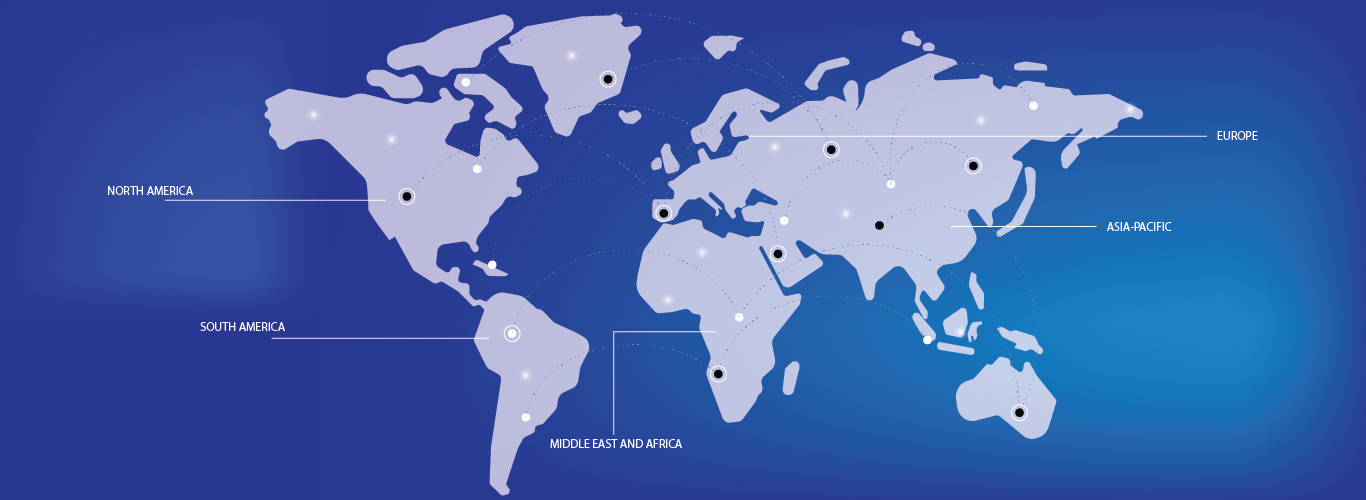
- The Asia Pacific region stands out as one of the dominant regions for PLA production and consumption, driven by rapid industrial growth, supportive government initiatives, and rising demand from packaging and consumer goods sectors
- For instance, China and Thailand have ramped up PLA production capacities in recent years, with key players expanding biopolymer facilities to meet global and domestic demand
- Globally, PLA ranks as one of the most widely used bioplastics and plays a pivotal role in reducing reliance on fossil fuels, offering a sustainable solution for multiple applications while aligning with circular economy goals