- Pregabalin, an anticonvulsant and anxiolytic medication, plays a critical role in the treatment of neuropathic pain, epilepsy, fibromyalgia, and generalized anxiety disorder (GAD). It is increasingly vital in modern neurology and pain management protocols due to its fast-acting relief, minimal drug interaction profile, and effectiveness across multiple indications
- The escalating demand for pregabalin is primarily fueled by the growing global burden of chronic pain and neurological disorders, along with increased diagnosis rates and healthcare accessibility in emerging economies. Rising geriatric populations, who are more prone to such conditions, further contribute to market expansion
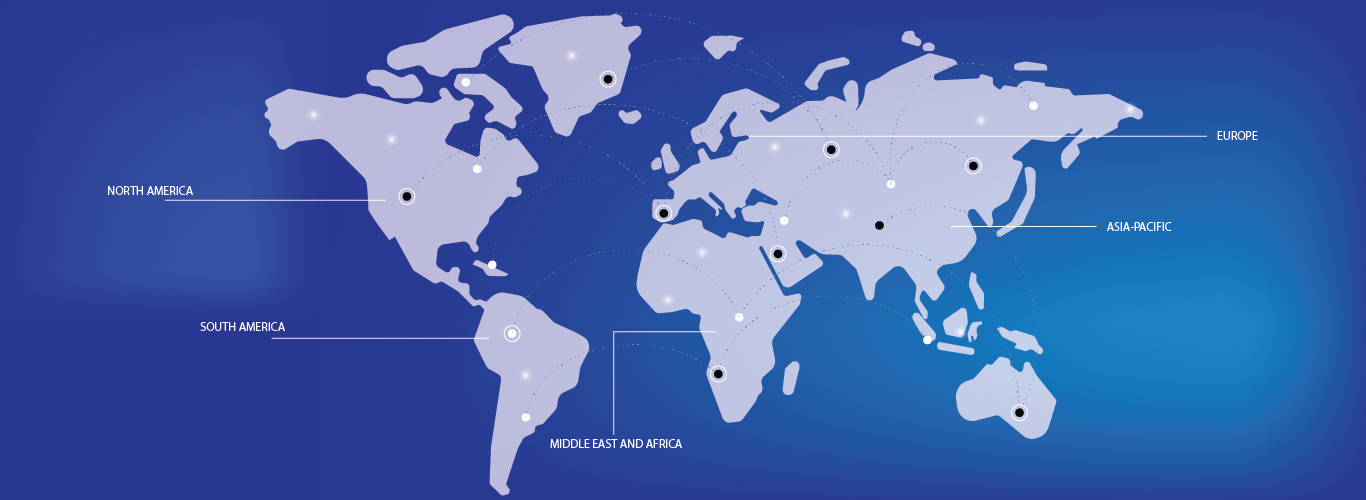
- North America dominated the pregabalin market with the largest revenue share of 42.8% in 2024, driven by strong prescription volumes in the U.S., a mature healthcare system, and robust insurance coverage. The region benefits from high awareness levels, advanced diagnostic capabilities, and established market players focusing on neuropathic and psychiatric disorders
- Asia-Pacific is expected to be the fastest-growing region in the pregabalin market, projected to expand at a CAGR of 8.9% from 2025 to 2032, fueled by rapid urbanization, rising healthcare spending, and increasing patient awareness. Countries such as China and India are witnessing a surge in epilepsy and diabetic neuropathy cases, supporting wider adoption of Pregabalin
- The neuropathic pain segment dominated the pregabalin market with a revenue share of 47.3% in 2024, owing to the high prevalence of diabetes-induced nerve damage, post-herpetic neuralgia, and chemotherapy-induced neuropathy. Pregabalin’s FDA-approved use for multiple neuropathic conditions ensures continued demand across various patient groups