- Pressure ulcer treatment solutions, aimed at managing and healing injuries to the skin and underlying tissue due to prolonged pressure, have become increasingly vital in both acute and long-term care settings. These treatments include advanced wound dressings, negative pressure wound therapy (NPWT), and support surfaces, significantly improving outcomes for at-risk patient populations such as the elderly and immobile
- The rising prevalence of chronic conditions, aging populations, and increased hospital admissions are major factors driving demand for pressure ulcer treatments globally. Healthcare providers are prioritizing early prevention and wound care protocols, further fueling market growth
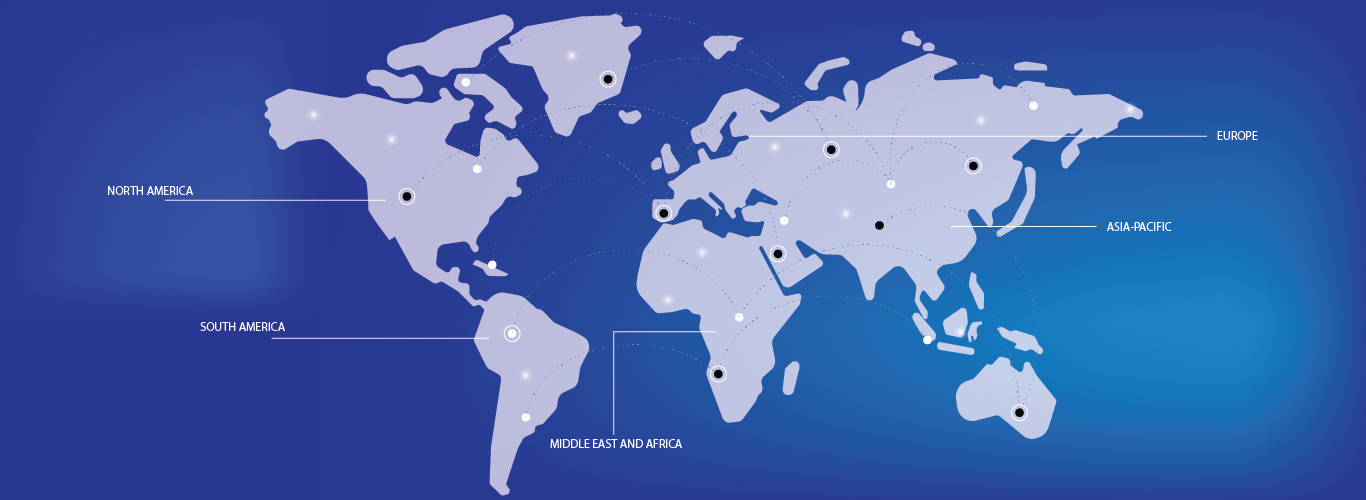
- North America dominated the pressure ulcer treatment market with the largest revenue share of 40.05% in 2024, attributed to well-established healthcare infrastructure, high awareness among healthcare professionals, and wide adoption of advanced wound care technologies. The U.S. continues to lead the region, bolstered by favorable reimbursement policies, robust investments in wound care research, and increasing geriatric populations
- Asia-Pacific is projected to be the fastest-growing region in the pressure ulcer treatment market during the forecast period (2025–2032), driven by rapid improvements in healthcare infrastructure, increasing awareness about chronic wound management, and the growing elderly population in countries such as Japan, China, and India
- The wound care dressings segment dominated the pressure ulcer treatment market with the largest revenue share of 42.6% in 2024, driven by the cost-effectiveness and widespread clinical adoption of foam, hydrogel, and hydrocolloid dressings