Global Protective Packaging Market Analysis

back-icon

Back to Report

Request for TOC Request for TOC Speak to Analyst Speak to Analyst Free Sample Report Free Sample Report Inquire Before Buying Inquire Before Buy Now Buy Now

Global Protective Packaging Market Analysis

  • Materials & Packaging
  • Mar 2021
  • Global
  • 350 Pages
  • No of Tables: 60
  • No of Figures: 220

  • Protective packaging solutions, designed to safeguard products during storage and transit, have become essential across industries such as e-commerce, electronics, food & beverages, and pharmaceuticals. The segment now incorporates advanced cushioning materials, eco-friendly biodegradable options, and smart packaging technologies to address rising demands for product safety and sustainability.
  • Market growth is driven by four converging forces — rapid expansion of e-commerce and global logistics, increasing consumer awareness about product safety, stringent regulations on packaging waste and sustainability, and innovation in lightweight yet durable materials that reduce shipping costs and carbon footprint.
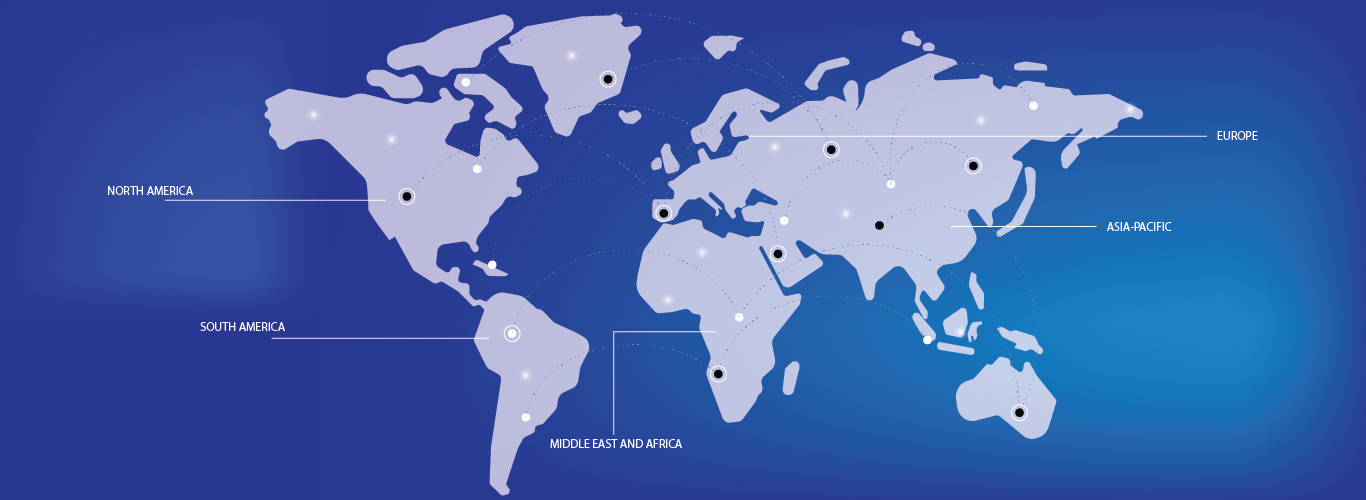
  • Asia-Pacific is poised to capture the largest regional revenue share of approximately 45.5%, fueled by booming e-commerce, expanding manufacturing hubs, and growing demand in emerging economies such as China, India, and Southeast Asia. The region’s investments in infrastructure and rising disposable incomes accelerate adoption of advanced protective packaging.
  • Asia-Pacific is also the fastest-growing region with an expected CAGR of around 7.09% from 2024 to 2032, driven by urbanization, increased industrial production, and regulatory push towards sustainable packaging solutions. Governments’ initiatives to reduce plastic waste and promote biodegradable materials further bolster market growth.
  • Cushioning remains the dominant product categories, holding an estimated 45.09% of global revenue in 2025, as consumers and manufacturers prioritize damage prevention in fragile and high-value goods, alongside growing preference for sustainable alternatives such as molded pulp and bioplastics.

Filled Map Analysis