- Railway cybersecurity solutions protect digital systems, networks, and data from cyberattacks, ensuring the safety and reliability of rail operations. These solutions, including firewalls, intrusion detection systems, and encryption, are integral to train control, signaling, passenger information systems, and ticketing platforms.
- The market is fueled by the global expansion of rail networks, with China’s high-speed rail reaching 46,000 km in 2023, driving demand for cybersecurity in digital infrastructure. The IoT market in transportation, valued at USD 120 billion in 2023, boosts demand for secure connected systems.
- The adoption of advanced technologies like AI and cloud-based platforms enhances cybersecurity capabilities, offering real-time threat detection for rail operations. The rise of autonomous trains, requiring secure communication for V2X-like systems, is a key growth driver.
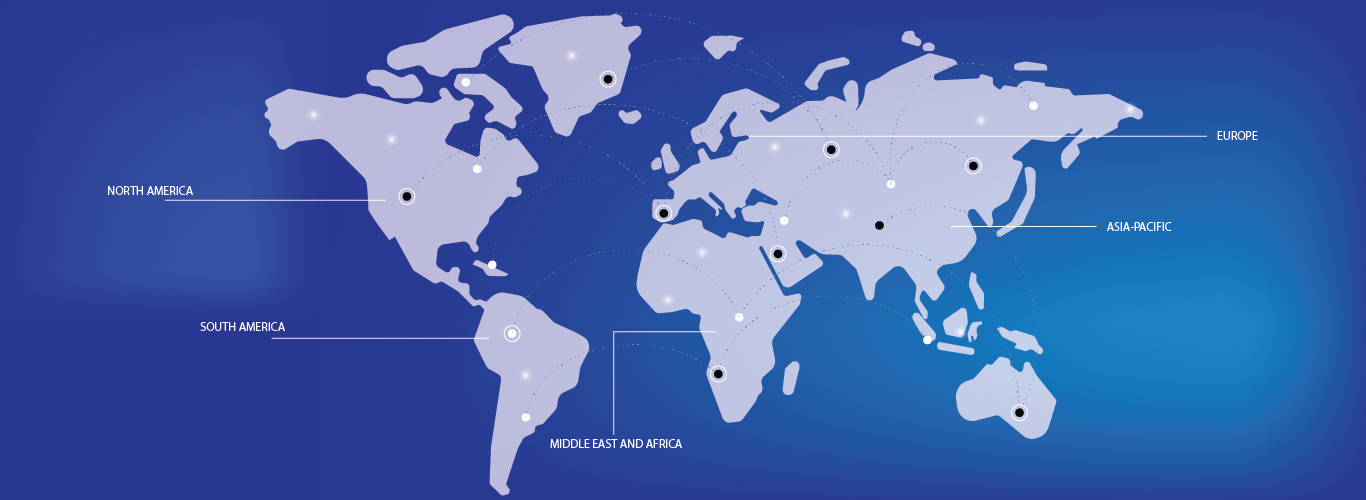
- Asia-Pacific led the global railway cybersecurity market with a commanding revenue share of 35.0% in 2024, driven by rapid urbanization, high-speed rail investments, and key players in China, Japan, and India. China dominates due to its extensive digital rail infrastructure.
- North America is anticipated to witness the fastest growth rate, with a projected CAGR of 14.5% from 2025 to 2032, propelled by stringent regulations, increasing cyberattacks, and significant R&D investments in the U.S. and Canada.
- Among components, the solutions segment held the largest market share of 63.0% in 2024, valued at USD 4.73 billion, attributed to its critical role in risk management and threat detection for rail infrastructure, ensuring operational continuity.