- To enhance security, many organizations are integrating SAML authentication with multi-factor authentication (MFA) solutions. This combination provides an additional layer of security, mitigating risks associated with single-factor authentication methods.
- The banking, financial services, and insurance (BFSI) sector is a major adopter of SAML authentication, driven by the need to protect sensitive financial data and comply with stringent regulatory requirements. Similarly, the healthcare industry is increasingly implementing SAML solutions to secure electronic health records and ensure compliance with regulations like HIPAA.
- Despite the benefits, integrating SAML authentication into existing legacy systems can be complex and costly. Organizations with outdated infrastructure may face difficulties in implementation, which can hinder the adoption of SAML solutions.
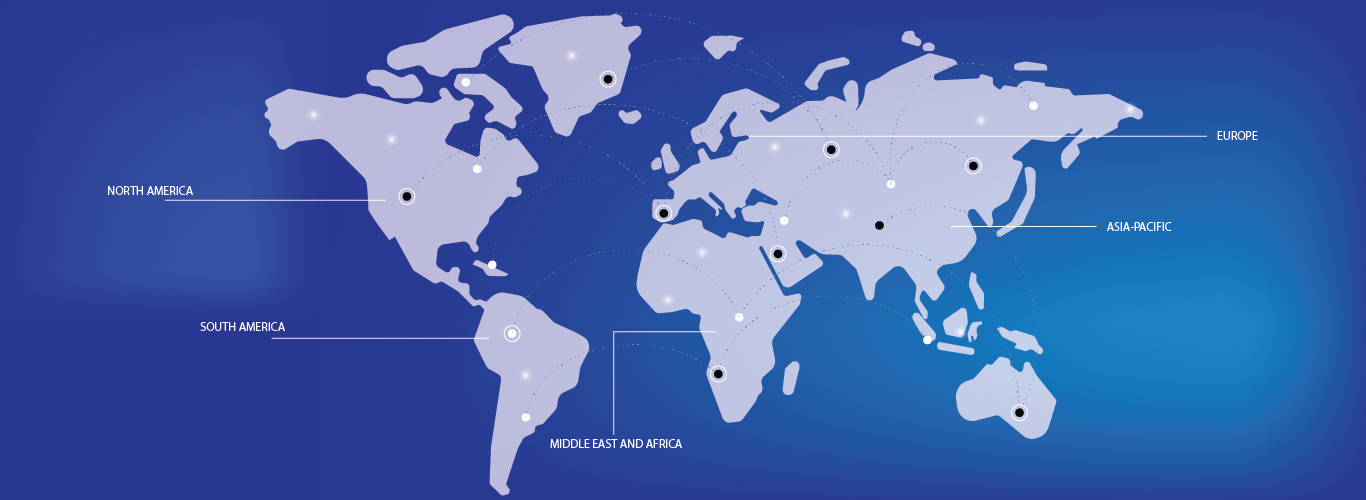
- North America dominates the Security Assertion Markup Language (SAML) Authentication Market with the largest revenue share of 43.01% in 2024, due to the rise in the adoption of SAML authentication solutions, high growth in IoT and strong presence of industry key players.
- Asia-Pacific is expected to be the fastest growing region in the Security Assertion Markup Language (SAML) Authentication Market due to high demand to protect endpoints, websites and applications from unauthorized access.
- Solution segment dominates the Security Assertion Markup Language (SAML) Authentication Market with a market share of 61.2% in 2024, driven by shift to cloud-based infrastructure and digital transformation initiatives drive demand for SAML authentication. It enables users to access multiple cloud services with a single set of credentials, enhancing user experience and productivity while centralizing identity management.