- Sperm separation devices, designed to isolate high-quality, motile sperm for use in assisted reproductive technologies, are increasingly vital tools in fertility treatments due to their ability to improve fertilization success rates, reduce the risk of genetic abnormalities, and enhance patient outcomes in both clinical and home-based reproductive settings
- The escalating demand for sperm separation devices is primarily fueled by the rising global incidence of male infertility, the growing popularity of in vitro fertilization (IVF) and intrauterine insemination (IUI), and an increasing focus on non-invasive and precise sperm selection technologies such as microfluidic-based systems
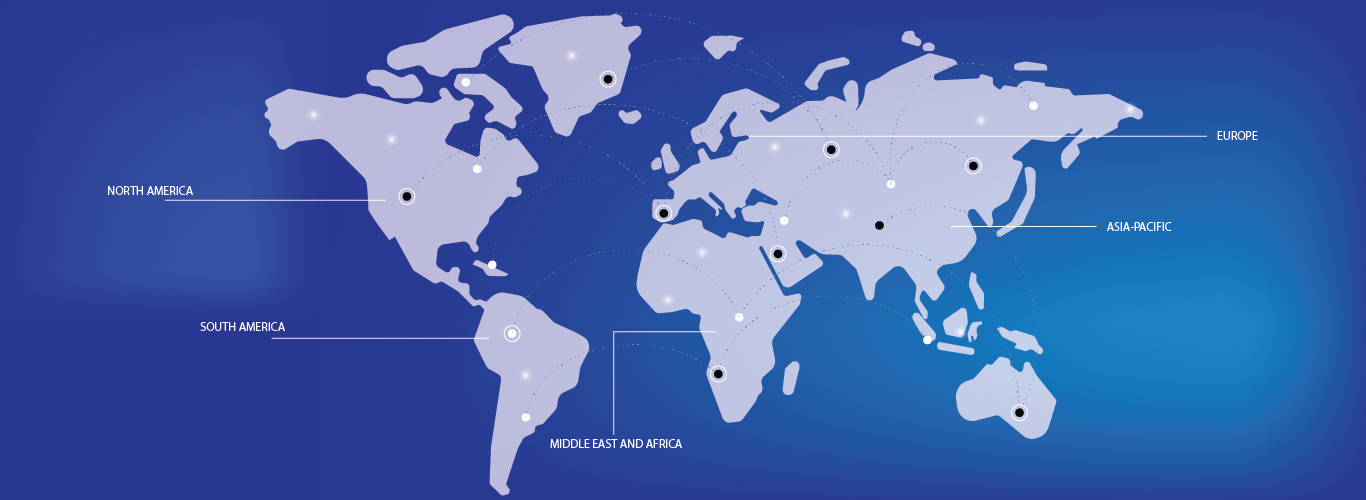
- North America dominated the sperm separation devices market, capturing the largest revenue share of 38.7% in 2024, driven by high awareness of infertility treatments, strong healthcare infrastructure, and the presence of leading ART clinics and device manufacturers. The U.S. in particular is seeing significant growth in fertility procedures, supported by ongoing R&D investments and favorable reimbursement policies
- Asia-Pacific is expected to be the fastest growing region in the sperm separation devices market during the forecast period, projected to grow at a CAGR of 8.5%, owing to increasing urbanization, rising disposable incomes, improving access to fertility care, and a growing awareness of reproductive health in countries such as India, China, and Japan
- The centrifugation devices segment dominated the sperm separation devices market, with a market share of 57.4% in 2024, owing to its widespread clinical use, cost-effectiveness, and established efficacy in separating motile sperm for use in assisted reproductive procedures such as IUI and IVF