- Stress management drugs, encompassing pharmaceutical treatments like antidepressants, benzodiazepines, and atypical antipsychotics, are increasingly vital components of modern mental health management in both clinical and homecare settings due to their efficacy, rapid symptom relief, and integration into holistic stress reduction protocols.
- The escalating demand for stress management drugs is primarily fueled by the growing prevalence of chronic stress disorders, increasing awareness about mental health, and a rising preference for accessible, medication-based interventions to manage psychological and psychosocial stress.
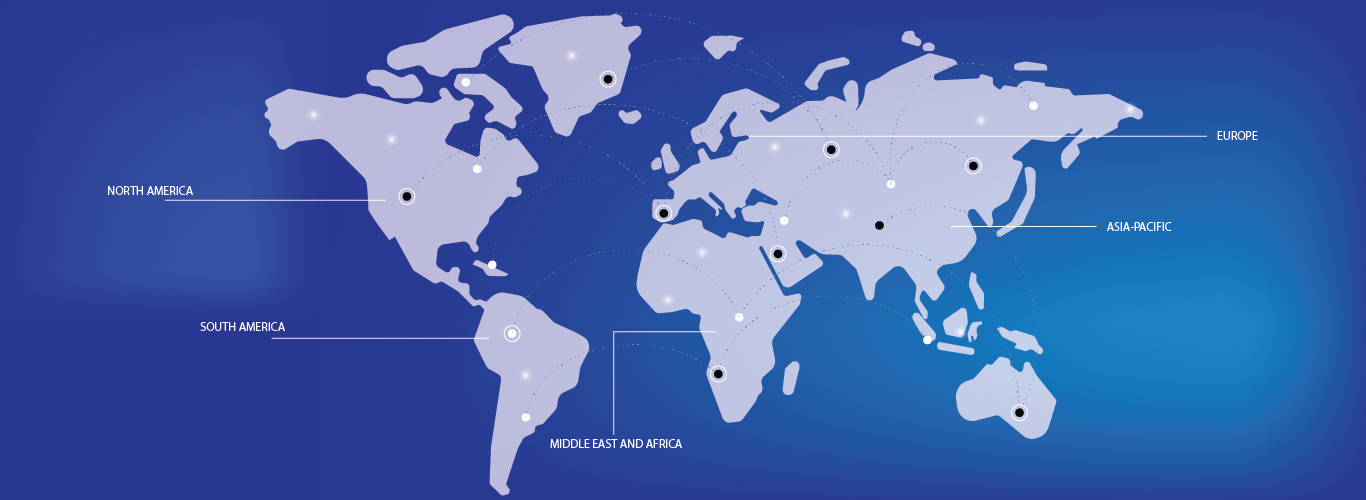
- North America dominates the stress management drug market with the largest revenue share of 38.7% in 2025, characterized by high mental health awareness, favorable healthcare reimbursement frameworks, and the strong presence of key pharmaceutical players, with the U.S. experiencing substantial growth in prescriptions for stress-related disorders, particularly among adults and working professionals, driven by innovations in drug formulations and expanded telehealth services.
- Asia-Pacific is expected to be the fastest growing region in the stress management drug market during the forecast period due to increasing mental health advocacy, expanding healthcare infrastructure, and growing public acceptance of pharmacological therapies.
- Antidepressant drugs segment is expected to dominate the stress management drug market with a market share of 46.3% in 2025, driven by their widespread use, proven long-term efficacy, and acceptance as first-line treatment for various forms of acute and chronic stress-related disorders.