- Subdermal contraceptive implants, which provide long-acting reversible contraception through a small rod inserted under the skin, are becoming increasingly important in reproductive health management due to their high efficacy, low maintenance, and extended duration of action
- The growing preference for reliable and discreet birth control options, along with increased awareness and supportive governmental and NGO-led family planning initiatives, is fueling demand for subdermal implants, particularly in low- and middle-income countries
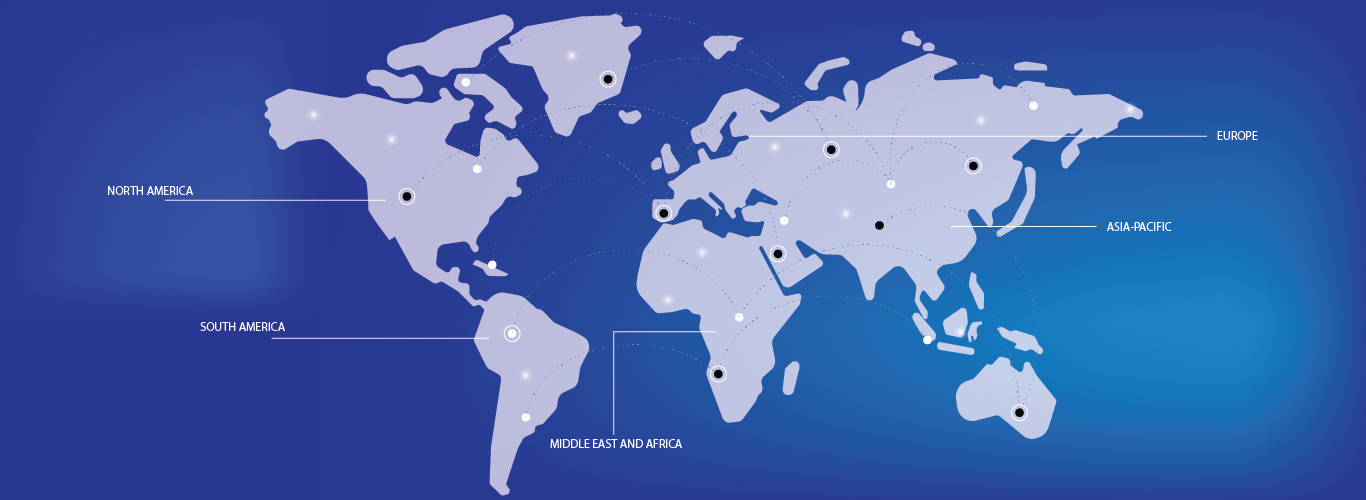
- North America dominated the subdermal contraceptive implants market with the largest revenue share of 37.3% in 2024, characterized by favorable healthcare reimbursement policies, robust healthcare infrastructure, and growing patient preference for long-term contraceptive methods
- Asia-Pacific is expected to be the fastest growing region in the subdermal contraceptive implants market during the forecast period due to expanding public health programs, rising population, and increasing acceptance of modern contraceptives in countries such as India, China, and Indonesia
- Etonogestrel implant segment dominated the subdermal contraceptive implants market with a market share of 59.2% in 2024, driven by its proven safety profile, long-term protection (up to three years), and widespread availability under brands such as Nexplanon and Implanon