Tea-Based Skin Care Products Market Size
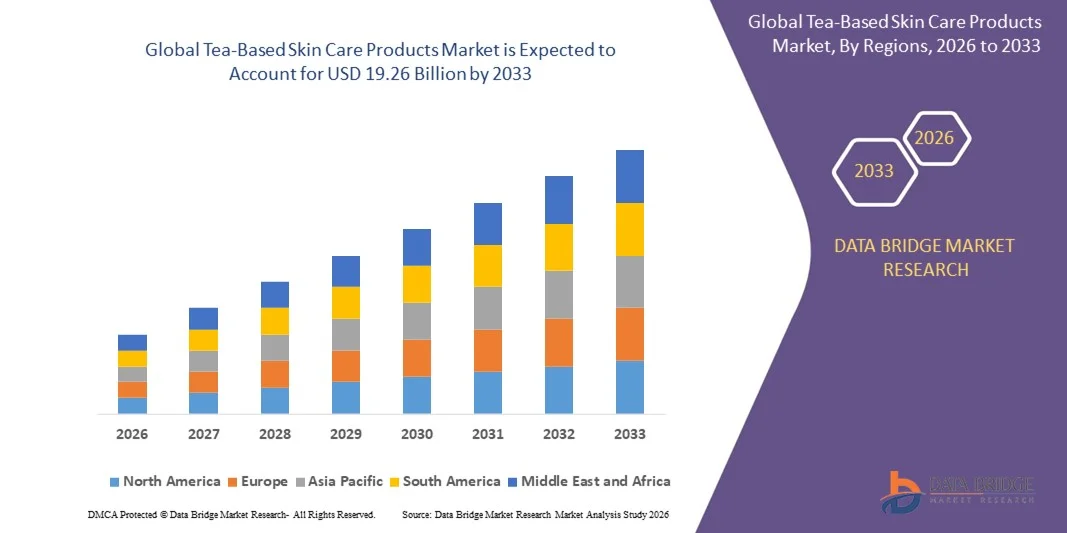
- The global tea-based skin care products market size was valued at USD 9.39 billion in 2025 and is expected to reach USD 19.26 billion by 2033, at a CAGR of 9.40% during the forecast period
- The market growth is largely fuelled by the increasing consumer preference for natural and organic ingredients in skincare formulations, coupled with the rising awareness about the antioxidant and anti-inflammatory benefits of tea extracts
- Growing demand for anti-aging, acne-prevention, and skin-soothing products is further driving the adoption of tea-based skincare solutions across various demographics
Tea-Based Skin Care Products Market Analysis
- Rising consumer inclination toward eco-friendly, chemical-free, and sustainable skincare solutions is influencing product development and brand strategies
- Increasing research and innovation in incorporating different tea extracts such as green, black, and white tea into creams, serums, masks, and lotions is enhancing product variety and efficacy
- North America dominated the tea-based skin care products market with the largest revenue share in 2025, driven by growing consumer preference for natural and functional skincare, as well as increasing awareness about the benefits of tea extracts such as green, black, and white tea
- Asia-Pacific region is expected to witness the highest growth rate in the global tea-based skin care products market, driven by rapid urbanization, rising disposable incomes, increasing demand for natural and organic cosmetics, and expansion of international skincare brands into emerging markets
- The Green Tea segment held the largest market revenue share in 2025, driven by its high antioxidant content, anti-inflammatory properties, and widespread consumer recognition for skin protection and anti-aging benefits. Green tea-infused products are particularly popular in facial care items such as serums and creams, offering consumers natural, multifunctional skincare solutions
Report Scope and Tea-Based Skin Care Products Market Segmentation
|
Attributes |
Tea-Based Skin Care Products Key Market Insights |
|
Segments Covered |
|
|
Countries Covered |
North America
Europe
Asia-Pacific
Middle East and Africa
South America
|
|
Key Market Players |
• Amorepacific (South Korea) |
|
Market Opportunities |
|
|
Value Added Data Infosets |
In addition to the insights on market scenarios such as market value, growth rate, segmentation, geographical coverage, and major players, the market reports curated by the Data Bridge Market Research also include in-depth expert analysis, pricing analysis, brand share analysis, consumer survey, demography analysis, supply chain analysis, value chain analysis, raw material/consumables overview, vendor selection criteria, PESTLE Analysis, Porter Analysis, and regulatory framework. |
Tea-Based Skin Care Products Market Trends
Rise of Natural and Organic Ingredients in Skincare
- The growing shift toward natural and organic ingredients is transforming the skincare landscape by promoting safer, chemical-free formulations. Consumers are increasingly seeking products with tea extracts due to their antioxidant, anti-inflammatory, and anti-aging properties, resulting in higher product adoption and brand loyalty. This trend is also encouraging brands to highlight transparency in sourcing and production processes, strengthening consumer trust and brand reputation
- The high demand for multifunctional skincare products in urban and semi-urban regions is accelerating the incorporation of tea extracts in creams, serums, masks, and lotions. These products cater to anti-aging, acne prevention, and skin-soothing needs, enhancing overall skin health and appearance. Growing interest in personalized skincare solutions further drives the adoption of multifunctional tea-based products across different age groups and skin types
- The affordability and easy accessibility of modern tea-based skincare products are making them attractive across different consumer segments. Users benefit from natural formulations that reduce irritation and improve skin wellness without compromising on quality. Retailers and online platforms are also expanding product availability, allowing small and mid-sized consumers to access premium tea-based solutions conveniently
- For instance, in 2024, several skincare brands in the U.S. reported increased repeat purchases and positive consumer reviews after launching green tea-infused facial serums and anti-aging creams, highlighting the functional benefits and market acceptance. Marketing campaigns emphasizing the natural and multifunctional benefits of these products further enhanced consumer engagement and brand loyalty
- While tea-based skincare products are driving growth through natural, multifunctional solutions, their impact depends on continued innovation, ingredient standardization, and effective marketing. Manufacturers must focus on product differentiation, formulation efficacy, and consumer education to fully capitalize on the growing demand. Increasing collaborations with dermatologists and influencers are also helping brands establish credibility and widen market reach
Tea-Based Skin Care Products Market Dynamics
Driver
Rising Consumer Preference for Natural and Functional Skincare
- Increasing consumer awareness regarding the harmful effects of synthetic chemicals is driving the adoption of tea-based skincare products. Ingredients such as green, black, and white tea are being preferred for their proven antioxidant and skin-protective properties. The rising inclination toward holistic wellness and preventive skincare further boosts demand for natural ingredients in personal care routines
- Skincare brands are investing in R&D to develop innovative products combining tea extracts with other natural actives to enhance efficacy and meet diverse skin concerns. This trend is accelerating market growth globally. The introduction of multifunctional products that combine hydration, anti-aging, and brightening benefits is also helping brands attract premium and health-conscious consumers
- Expansion of e-commerce platforms and modern retail channels is supporting wider distribution and visibility of tea-based skincare products, enabling easier access for consumers across urban and semi-urban regions. Omnichannel marketing strategies, including social media campaigns and subscription-based sales models, are further driving consumer engagement and repeat purchases
- For instance, in 2023, skincare companies in Europe reported a surge in online sales of tea-based creams and serums, driven by increasing consumer demand for eco-friendly and multifunctional products. Strategic collaborations with wellness influencers and educational content about ingredient benefits helped enhance brand recognition and trust
- While consumer preference and retail expansion are driving the market, sustained growth requires formulation innovation, regulatory compliance, and strong brand positioning to ensure long-term adoption. Continuous investment in certifications, product testing, and ingredient sourcing transparency is becoming critical for market credibility
Restraint/Challenge
High Product Costs and Limited Consumer Awareness in Emerging Markets
- The premium pricing of tea-based skincare products, particularly those with high-quality tea extracts and organic certifications, limits adoption among price-sensitive consumers and smaller retail segments. High costs of sourcing organic tea extracts and certifications increase production expenses, making mass-market penetration challenging
- In many emerging markets, limited consumer awareness about the benefits of tea-based skincare reduces market penetration. Misconceptions about natural products being less effective may further slow adoption. Lack of educational campaigns and insufficient influencer engagement in these regions can restrict product visibility and demand growth
- Supply chain and ingredient sourcing challenges, particularly for high-quality tea extracts, can impact production consistency and availability, delaying product launches and affecting operational efficiency. Seasonal variability, geopolitical factors, and quality control issues may further complicate consistent supply and pricing strategies
- For instance, in 2023, several skincare brands in Southeast Asia reported lower sales growth due to limited distribution of premium tea-based products and consumer unfamiliarity with natural skincare benefits. Delays in ingredient procurement and logistical inefficiencies also constrained timely product launches in key markets
- While the market for tea-based skincare products continues to expand, addressing cost, awareness, and supply chain challenges is essential for broader adoption and sustained growth in both developed and emerging regions. Strategic partnerships with local suppliers, targeted marketing, and scalable production solutions are increasingly important to unlock market potential
Tea-Based Skin Care Products Market Scope
The tea-based skin care products market is segmented on the basis of type, product type, and distribution channel.
- By Type
On the basis of type, the tea-based skin care products market is segmented into Green Tea, Black Tea, and White Tea. The Green Tea segment held the largest market revenue share in 2025, driven by its high antioxidant content, anti-inflammatory properties, and widespread consumer recognition for skin protection and anti-aging benefits. Green tea-infused products are particularly popular in facial care items such as serums and creams, offering consumers natural, multifunctional skincare solutions.
The White Tea segment is expected to witness the fastest growth rate from 2026 to 2033, driven by its potent antioxidant properties and gentle formulation suitable for sensitive skin. White tea-based products are increasingly adopted in premium skincare lines, offering anti-aging and skin-soothing benefits, and gaining traction among health-conscious and environmentally aware consumers.
- By Product Type
On the basis of product type, the market is segmented into Facial Care, Body Care, and Others. The Facial Care segment held the largest revenue share in 2025, fueled by the high adoption of green and black tea-infused creams, serums, and masks that target anti-aging, acne, and skin-brightening needs.
The Body Care segment is expected to witness the fastest growth rate from 2026 to 2033, driven by rising demand for tea-based body lotions, scrubs, and bath products that combine natural ingredients with functional benefits. Consumers increasingly prefer multifunctional formulations that improve skin wellness and overall health.
- By Distribution Channel
On the basis of distribution channel, the market is segmented into Offline and Online. The Offline segment held the largest revenue share in 2025 due to the widespread presence of skincare retailers, pharmacies, and beauty stores that offer easy access and product trials for consumers.
The Online segment is expected to witness the fastest growth rate from 2026 to 2033, driven by the increasing popularity of e-commerce platforms, social media marketing, and direct-to-consumer sales models. Online channels provide convenience, wider product variety, and better access to premium and niche tea-based skincare products.
Tea-Based Skin Care Products Market Regional Analysis
- North America dominated the tea-based skin care products market with the largest revenue share in 2025, driven by growing consumer preference for natural and functional skincare, as well as increasing awareness about the benefits of tea extracts such as green, black, and white tea
- Consumers in the region highly value the antioxidant, anti-inflammatory, and anti-aging properties offered by tea-based formulations, making them a preferred choice across facial care, body care, and other personal care products
- This widespread adoption is further supported by rising disposable incomes, expanding e-commerce penetration, and the growing trend of self-care and wellness, establishing tea-based skincare products as a favored solution for both premium and mass-market consumers
U.S. Tea-Based Skin Care Products Market Insight
The U.S. tea-based skin care products market captured the largest revenue share in 2025 within North America, fueled by increasing consumer demand for natural and multifunctional products. Consumers are prioritizing products that offer anti-aging, acne prevention, and skin-soothing benefits through ingredients such as green and white tea. The growing preference for organic, chemical-free formulations combined with the expansion of online and offline retail channels is further propelling the market. Moreover, effective marketing campaigns emphasizing the natural and functional benefits of tea-based products are significantly contributing to market growth.
Europe Tea-Based Skin Care Products Market Insight
The Europe tea-based skin care products market is expected to witness the fastest growth rate from 2026 to 2033, primarily driven by stringent cosmetic regulations and the rising consumer inclination toward natural and eco-friendly ingredients. The increasing demand for multifunctional skincare products and awareness about the benefits of tea extracts in creams, serums, and lotions is fostering market adoption. European consumers are also drawn to premium, organic, and sustainable personal care solutions. The region is experiencing significant growth across retail, e-commerce, and specialty beauty stores, with tea-based skincare products being increasingly incorporated into daily skincare routines.
U.K. Tea-Based Skin Care Products Market Insight
The U.K. tea-based skin care products market is expected to witness the fastest growth rate from 2026 to 2033, driven by rising consumer interest in wellness-focused beauty products and natural skincare solutions. Concerns about chemical-laden cosmetics and the popularity of functional, multifunctional formulations are encouraging consumers to choose tea-infused products. The UK’s well-established cosmetic retail infrastructure and strong e-commerce presence are expected to continue to stimulate market growth, supporting the adoption of premium tea-based creams, masks, and serums.
Germany Tea-Based Skin Care Products Market Insight
The Germany tea-based skin care products market is expected to witness the fastest growth rate from 2026 to 2033, fueled by high awareness of natural and organic personal care products and strong demand for multifunctional skincare solutions. Germany’s emphasis on sustainable and eco-friendly cosmetic products promotes the adoption of tea-based formulations, particularly in facial care and body care segments. Integration of these products into premium and mass-market lines, coupled with innovative marketing emphasizing functional benefits, is also contributing to growth. German consumers increasingly prefer products with verified natural ingredients and clinically proven efficacy.
Asia-Pacific Tea-Based Skin Care Products Market Insight
The Asia-Pacific tea-based skin care products market is expected to witness the fastest growth rate from 2026 to 2033, driven by increasing urbanization, rising disposable incomes, and growing awareness of natural and multifunctional skincare in countries such as China, Japan, and India. The region’s expanding middle class, coupled with strong online retail penetration and social media influence, is driving the adoption of tea-based creams, serums, and masks. In addition, APAC’s rich tea cultivation regions and local cosmetic manufacturers are enabling affordable and innovative product offerings, enhancing accessibility and market penetration.
Japan Tea-Based Skin Care Products Market Insight
The Japan tea-based skin care products market is expected to witness the fastest growth rate from 2026 to 2033 due to the country’s high focus on beauty, wellness, and anti-aging solutions. Japanese consumers highly value multifunctional skincare formulations, and tea extracts are increasingly used in serums, facial masks, and body care products. The integration of tea-based skincare products with advanced cosmetic technologies and premium packaging is fueling growth. Moreover, Japan’s aging population is likely to drive demand for products that improve skin health and slow visible aging.
China Tea-Based Skin Care Products Market Insight
The China tea-based skin care products market accounted for the largest market revenue share in Asia Pacific in 2025, attributed to the country’s expanding middle class, rising disposable incomes, and growing preference for natural and organic personal care products. Tea-based formulations are becoming increasingly popular in facial care, body care, and multifunctional skincare solutions. The rise of e-commerce platforms, combined with social media-driven beauty trends and strong domestic cosmetic manufacturers, is further propelling market growth. In addition, government initiatives promoting natural and safe cosmetic products are supporting the adoption of tea-based skincare solutions across China.
Tea-Based Skin Care Products Market Share
The Tea-Based Skin Care Products industry is primarily led by well-established companies, including:
• Amorepacific (South Korea)
• THE AVON COMPANY (U.S.)
• L'Oréal Paris (France)
• NATURA & CO. (Brazil)
• Unilever (U.K.)
• artnaturals (U.S.)
• Skinyoga (U.S.)
• ARTDECO cosmetic GmbH (Germany)
• KORRES USA LTD. (U.S.)
• Kendo Holdings, Inc. (U.S.)
• Avalon Organics (U.S.)
• Elizabeth Arden, Inc. (U.S.)
• Pureplay Skin Sciences (I) Pvt Ltd (India)
• KOTOSHINA (U.S.)
• Nutriglow Cosmetics (U.S.)
• DERMA E (U.S.)
• Neo Australia (Australia)
• KYPWELL (U.S.)
• Gaia Organics (Australia)
• ARCONA, Inc. (U.S.)
Latest Developments in Global Tea-Based Skin Care Products Market
- In June 2021, Unilever, through an acquisition, took over the U.S.-based skincare brand Tatcha, known for its green tea, rice, and algae-based creams. This strategic move aims to strengthen Unilever’s portfolio in natural cosmetics, catering to the growing global demand for eco-friendly and plant-based skincare products. The acquisition enhances Unilever’s market presence in premium skincare, offering consumers innovative, nature-inspired solutions while boosting the company’s competitive edge in the international natural cosmetics segment
- In May 2021, Innisfree expanded its global footprint by entering the Hyderabad, India market, opening its first store in the city. Alongside the expansion, the brand launched two new skincare and makeup lines, Advanced Beauty Green Tea and Volcanic Color Clay Masks. This move is intended to cater to the rising consumer demand for natural and functional beauty products in India, increasing brand visibility, accessibility, and adoption in a rapidly growing market

- Interactive Data Analysis Dashboard
- Company Analysis Dashboard for high growth potential opportunities
- Research Analyst Access for customization & queries
- Competitor Analysis with Interactive dashboard
- Latest News, Updates & Trend analysis
- Harness the Power of Benchmark Analysis for Comprehensive Competitor Tracking
Data collection and base year analysis are done using data collection modules with large sample sizes. The stage includes obtaining market information or related data through various sources and strategies. It includes examining and planning all the data acquired from the past in advance. It likewise envelops the examination of information inconsistencies seen across different information sources. The market data is analysed and estimated using market statistical and coherent models. Also, market share analysis and key trend analysis are the major success factors in the market report. To know more, please request an analyst call or drop down your inquiry.
The key research methodology used by DBMR research team is data triangulation which involves data mining, analysis of the impact of data variables on the market and primary (industry expert) validation. Data models include Vendor Positioning Grid, Market Time Line Analysis, Market Overview and Guide, Company Positioning Grid, Patent Analysis, Pricing Analysis, Company Market Share Analysis, Standards of Measurement, Global versus Regional and Vendor Share Analysis. To know more about the research methodology, drop in an inquiry to speak to our industry experts.
Data Bridge Market Research is a leader in advanced formative research. We take pride in servicing our existing and new customers with data and analysis that match and suits their goal. The report can be customized to include price trend analysis of target brands understanding the market for additional countries (ask for the list of countries), clinical trial results data, literature review, refurbished market and product base analysis. Market analysis of target competitors can be analyzed from technology-based analysis to market portfolio strategies. We can add as many competitors that you require data about in the format and data style you are looking for. Our team of analysts can also provide you data in crude raw excel files pivot tables (Fact book) or can assist you in creating presentations from the data sets available in the report.