- Tetanus vaccines, critical in preventing the severe bacterial infection caused by Clostridium tetani, are integral to immunization schedules worldwide. These vaccines are often administered as part of multivalent formulations such as DTaP and Tdap, providing combined protection and improving immunization compliance across populations
- The growing demand for tetanus vaccines is primarily driven by global public health initiatives, routine childhood immunization programs, increasing awareness about maternal and neonatal tetanus prevention, and support from organizations like WHO, UNICEF, and GAVI in expanding vaccine coverage in underserved regions
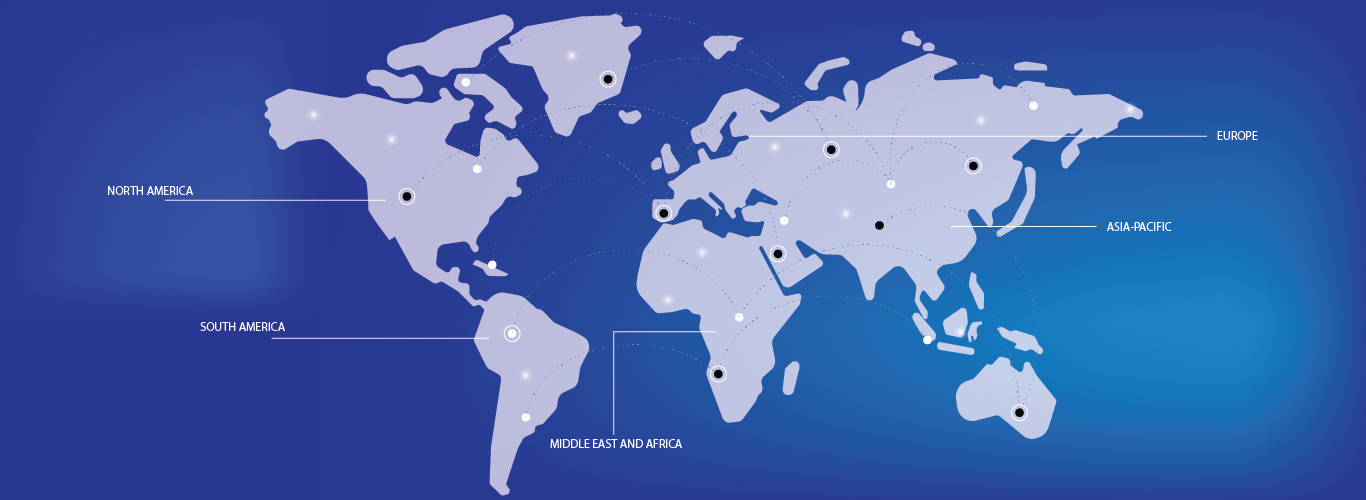
- North America dominates the global tetanus market with the largest revenue share of approximately 40% (USD 440 million) in 2024, supported by strong healthcare infrastructure, compulsory school-entry immunization laws, and widespread use of combination vaccines such as Tdap. The U.S. sees continued uptake due to adult booster dose guidelines and increasing public health awareness
- Asia-Pacific is expected to be the fastest-growing region in the tetanus market during the forecast period, driven by expanding government immunization budgets, rising birth rates, and international partnerships aimed at eradicating maternal and neonatal tetanus in countries such as India, Bangladesh, and Indonesia
- The DTaP segment is projected to dominate the tetanus vaccine market with a 42.6% share in 2025, owing to its broad inclusion in national immunization programs, especially for infants and young children, and its high efficacy in providing triple protection against diphtheria, tetanus, and pertussis