- Transarterial Chemoembolization (TACE), a targeted therapy combining chemotherapy and embolization, is becoming a cornerstone treatment for intermediate-stage hepatocellular carcinoma (HCC), owing to its minimally invasive nature and ability to deliver localized treatment with limited systemic toxicity
- The escalating demand for TACE is primarily fueled by the rising global incidence of liver cancer, advancements in image-guided interventions, and increasing physician preference for non-surgical cancer management techniques
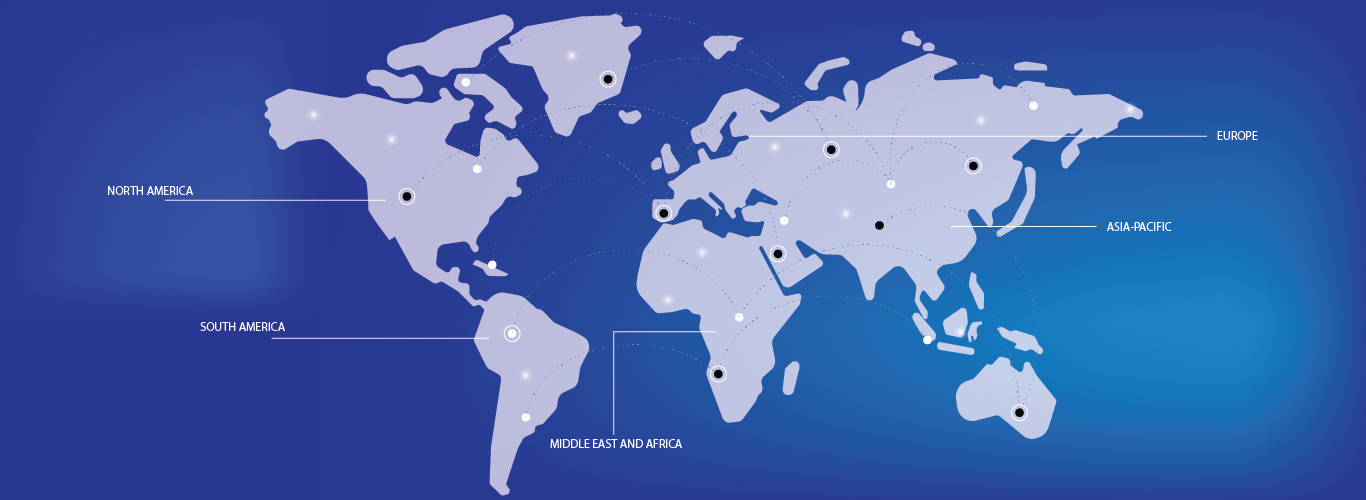
- North America dominated the Transarterial Chemoembolization (TACE) market with the largest revenue share of 39.2% in 2024, characterized by high awareness of interventional oncology treatments, advanced healthcare infrastructure, and significant R&D investments. The U.S. continues to witness growth in TACE procedures, supported by expanding access to specialized cancer centers and the integration of precision medicine in liver cancer care
- Asia-Pacific is expected to be the fastest growing region in the Transarterial Chemoembolization (TACE) market during the forecast period due to a high burden of liver cancer, increasing healthcare investments, and rising adoption of minimally invasive therapies
- Conventional TACE (cTACE) segment dominated the Transarterial Chemoembolization (TACE) market with a market share of 58% in 2024, driven by its widespread clinical use, established efficacy, and lower cost compared to drug-eluting bead TACE (DEB-TACE)