- Vinca alkaloids drugs, derived from the periwinkle plant Catharanthus roseus, are critical chemotherapeutic agents used in the treatment of various cancers due to their ability to inhibit cell division by targeting microtubule formation. These drugs are widely used across both adult and pediatric oncology for conditions including leukemia, lymphomas, breast cancer, and more
- The growing demand for Vinca alkaloid-based therapies is largely driven by the increasing global incidence of cancer, ongoing clinical trials expanding their indications, and the availability of combination therapies enhancing treatment outcomes. Innovations in drug delivery (such as liposomal formulations) and reduced toxicity profiles are further boosting adoption
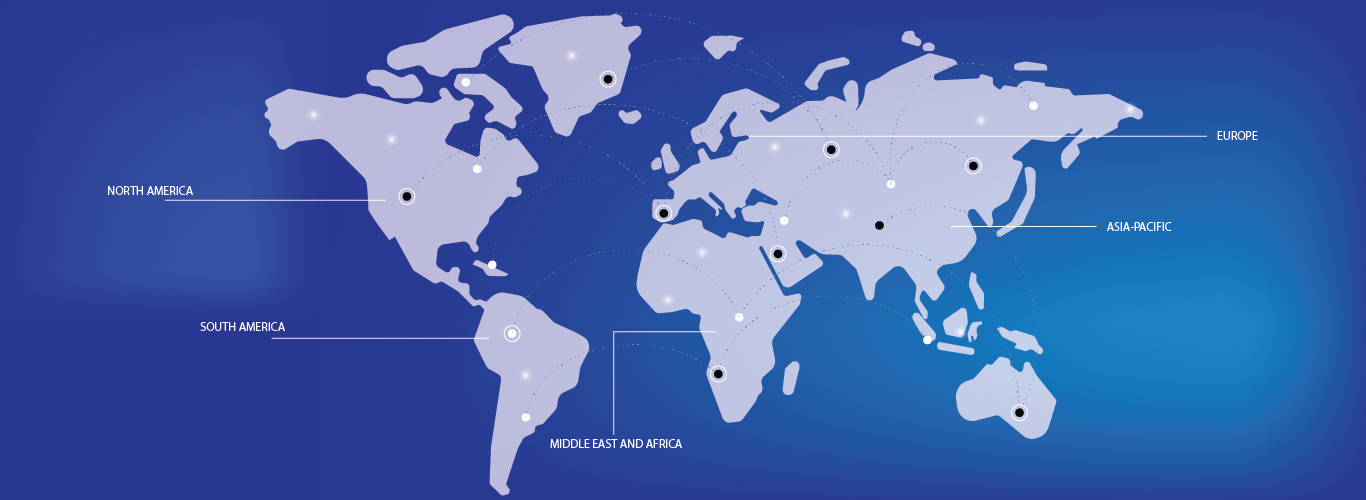
- North America dominated the vinca alkaloids drugs market with the largest revenue share of 39.4% in 2024, supported by advanced healthcare infrastructure, robust oncology research funding, and high awareness among healthcare professionals
- Asia-Pacific is projected to be the fastest-growing region in the vinca alkaloids drugs market during the forecast period (2025–2032), with a forecast CAGR of 6.8%, owing to increasing cancer prevalence, rising healthcare expenditure, and improved access to branded and generic oncology therapeutics in countries such as China and India
- The mitotic inhibitor segment dominated the largest market revenue share of 61.3% in 2024, driven by its widespread use in chemotherapy to halt cancer cell division. These agents effectively bind to tubulin, preventing microtubule formation, and are essential in treating a broad range of malignancies