- Artificial Intelligence (AI) is increasingly integrated into GPS technologies, enhancing functionalities such as route optimization and predictive maintenance. For instance, TomTom, in collaboration with Microsoft, has introduced a generative AI-based driving assistant aimed at providing personalized navigation experiences. Additionally, the convergence of GPS with Internet of Things (IoT) and 5G technologies is expanding applications across various sectors, including autonomous vehicles, smart cities, and precision agriculture.
- In response to concerns over GPS vulnerabilities, alternative systems are being explored. The U.S. Federal Communications Commission (FCC) is investigating complementary positioning, navigation, and timing (PNT) technologies to bolster national security and infrastructure resilience. One such alternative is the Broadcast Positioning System (BPS), which utilizes digital TV signals to provide location data, offering a potential backup in case of satellite disruptions.
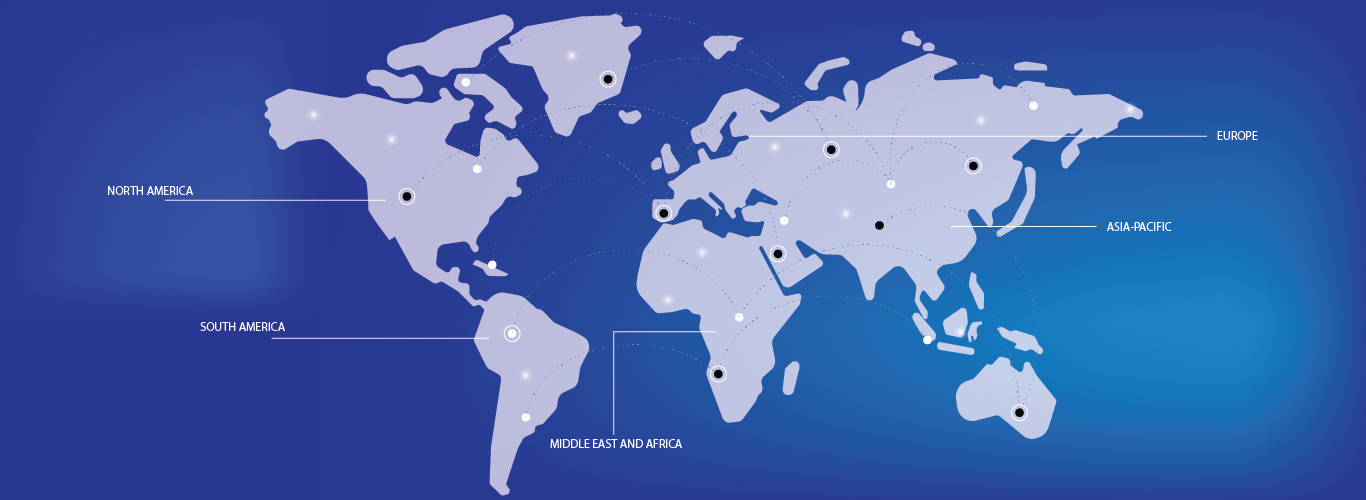
- North America dominates the Vision Positioning System Market with the largest revenue share of 39.01% in 2024, characterized by the high adoption of UAVs, AGVs, industrial robots and space vehicles and presence of prominent players in the region.
- Asia-Pacific is expected to be the fastest growing region in the Vision Positioning System Market during the forecast period due to the rapid development and deployment of autonomous vehicles, including self-driving cars and drones, rely heavily on vision positioning systems for accurate navigation and obstacle avoidance. This trend is a significant driver in both commercial and defense sectors.
- Sensor’s segment dominates the Vision Positioning System Market with a market share of 31.2% in 2024, driven by Advancements in computer vision and AI algorithms.