- Xerosis, commonly known as dry skin, is a widespread dermatological condition that has become a significant focus within both medical and cosmetic skincare sectors. Treatments addressing tightness, roughness, itching, and flakiness are increasingly in demand, especially as aging populations and chronic health issues like diabetes contribute to higher prevalence globally
- The growing demand for xerosis treatment is primarily driven by heightened awareness of skin health, expanding access to dermatological care, and rising usage of topical moisturizers, corticosteroids, and immuno-modulators. The convenience and efficacy of topical therapies, coupled with improved OTC and prescription product availability, are further boosting market adoption
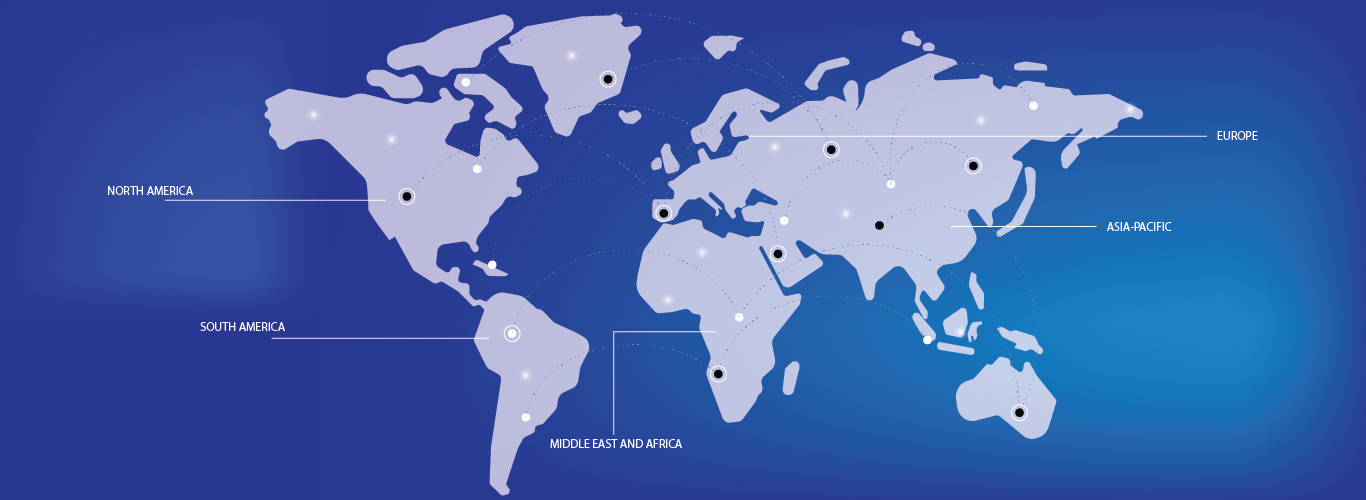
- North America leads the xerosis treatment market with the largest revenue share of 38.7% in 2025, supported by advanced healthcare infrastructure, high skincare expenditure, and a growing elderly population. The U.S. remains a key contributor due to increasing dermatological consultations and product innovation in prescription and cosmeceutical formulations
- Asia-Pacific is projected to be the fastest-growing region in the xerosis treatment market during the forecast period, fueled by increasing urbanization, rising awareness about skin health, and expanding middle-class access to both preventive and therapeutic dermatology solutions
- The topical route of administration is expected to dominate the market, accounting for over 60% share in 2025, owing to its direct effectiveness, non-invasiveness, and widespread use in homecare settings. Among medications, topical moisturizers are anticipated to remain the first line of treatment due to their role in immediate symptom relief and skin barrier repair