全球低度膠質瘤市場規模、份額和趨勢分析報告 – 產業概況和 2032 年預測

请求目录 请求目录 与分析师交谈 与分析师交谈 免费样本报告 免费样本报告 购买前请咨询 提前咨询 立即购买 立即购买

全球低度膠質瘤市場規模、份額和趨勢分析報告 – 產業概況和 2032 年預測

  • Pharmaceutical
  • Upcoming Report
  • Mar 2025
  • Global
  • 350 页面
  • 桌子數: 220
  • 图号: 60

通过敏捷供应链咨询解决关税挑战

供应链生态系统分析现已成为 DBMR 报告的一部分

Global Low Grade Glioma Market

市场规模(十亿美元)

CAGR :  % Diagram

Chart Image USD 1.11 Billion USD 1.55 Billion 2024 2032
Diagram Forecast Period
2025 –2032
Diagram Market Size (Base Year)
USD 1.11 Billion
Diagram Market Size (Forecast Year)
USD 1.55 Billion
Diagram CAGR
%
Diagram Major Markets Players
  • Dummy1
  • Dummy2
  • Dummy3
  • Dummy4
  • Dummy5

全球低度膠質瘤市場細分,按類型(低級別 I 和低級別 II)、藥物類別(曲美替尼、達拉非尼、伊沃西尼和米爾達美替尼)、給藥途徑(外用和口服)、分銷渠道(在線藥店、醫院藥店和零售藥店)劃分 - 行業趨勢和預測至 2032 年

低度膠質瘤市場

低度膠質瘤市場分析

在診斷和治療技術的進步推動下,低度膠質瘤市場經歷了顯著成長。隨著對早期發現和個人化治療的日益重視,對有效治療方案的需求日益增加,包括手術、放射療法和化學療法。標靶治療和免疫療法的創新進一步推動了市場擴張,提供了比傳統方法更精準、副作用更少的治療方式。

低度膠質瘤盛行率不斷上升以及醫療服務提供者和患者對可用治療方案的認識不斷提高也影響了市場。研發投入的增加以及製藥公司、生技公司和學術機構之間的合作加速了新療法的推向市場。此外,探索新藥物候選和治療組合的臨床試驗預計將進一步影響市場動態。

先進的影像技術等更好的診斷工具的持續開發,正在提高低度膠質瘤診斷的準確性,促進早期介入和更好的患者治療效果。然而,治療費用高、治療方案複雜、某些地區專業醫療基礎設施有限等挑戰可能會在一定程度上阻礙市場成長。儘管有這些挑戰,低度膠質瘤市場的整體前景仍然樂觀,預計持續的進步將改善患者護理和治療效果。

低度膠質瘤市場規模

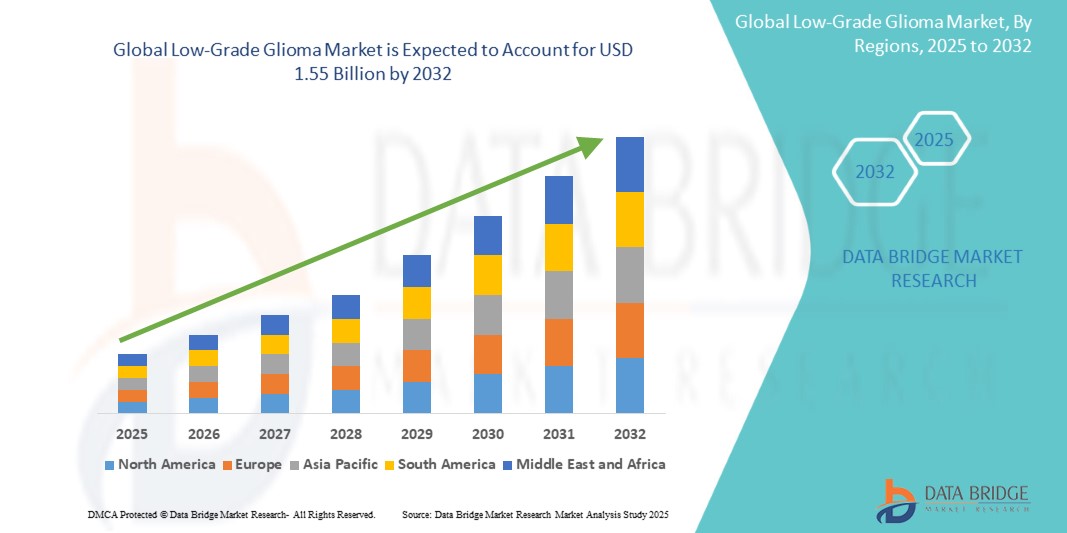
2024 年全球低度膠質瘤市場規模價值 11.1 億美元,預計到 2032 年將達到 15.5 億美元,2025 年至 2032 年預測期內的複合年增長率為 4.28%。

低度膠質瘤市場趨勢

“標靶療法和免疫療法的採用日益增多”

低度膠質瘤市場的一個主要趨勢是標靶療法和免疫療法的應用越來越多。與化療和放療等傳統療法相比,這些治療方法提供了更精確、更有效的選擇,因此越來越受到關注。標靶治療透過針對膠質瘤細胞中存在的特定基因突變或分子標靶發揮作用,最大限度地減少對周圍健康組織的損害。免疫療法,例如檢查點抑制劑和基於疫苗的治療,旨在增強人體免疫系統以識別和摧毀癌細胞。

對低度膠質瘤的遺傳和分子基礎的了解不斷加深,加速了這些先進療法的發展,有可能改善患者的治療效果並減少副作用。正在進行的臨床試驗和這些創新治療方法的研究預計將進一步塑造市場,使這一趨勢成為未來低度膠質瘤護理和治療策略的主要驅動力。

報告範圍和低度膠質瘤市場細分  

屬性

低度膠質瘤關鍵市場洞察

涵蓋的領域

  • 類型:低品位 I 和低品位 II
  • 依藥物類別:曲美替尼、達拉非尼、Ivosidenib 和 Mirdametinib
  • 依給藥途徑:外用及口服
  • 依分銷通路劃分:網路藥局、醫院藥局及零售藥局

覆蓋國家

美國、加拿大和墨西哥、德國、法國、英國、義大利、俄羅斯、西班牙、丹麥、瑞典、挪威、歐洲其他地區、中國、日本、印度、韓國、澳洲、泰國、亞太地區 (APAC) 其他地區、沙烏地阿拉伯、阿聯酋、南非、奈及利亞、埃及、科威特、中東和非洲其他地區、巴西、阿根廷和南美洲其他地區

主要市場參與者

阿斯特捷利康(英國)、艾伯維公司(美國)、安進公司(美國)、百時美施貴寶公司(美國)、第一三共株式會社(日本)、Day One Biopharmaceuticals, Inc.(美國)、F. Hoffmann-La Roche Ltd(瑞士)、基因泰克公司(美國)、Helsinn 公司(瑞士)、瑞士)、基因泰克公司(美國)。 (德國)、Novo Nordisk A/S(丹麥)、諾華公司(瑞士)、輝瑞公司(美國)、Rigel Pharmaceuticals, Inc.(美國)、SpringWorks Therapeutics, Inc.(美國)、Sun Pharmaceutical Industries Ltd.(印度)和 Teva Pharmaceutical Industries Ltd.(以色列)

市場機會

  • 兒童和青少年治療選擇的增長
  • 擴大新治療方式的臨床試驗

加值資料資訊集

除了對市場價值、成長率、細分、地理覆蓋範圍和主要參與者等市場情景的洞察之外,Data Bridge Market Research 策劃的市場報告還包括深度專家分析、患者流行病學、管道分析、定價分析和監管框架。

低度膠質瘤市場定義

低度膠質瘤是指起源於神經膠質細胞的一種腦腫瘤,神經膠質細胞可以支持和保護大腦中的神經細胞。與高惡性度膠質瘤相比,這些腫瘤生長相對較慢,惡性程度較低,通常被歸類為 1 級或 2 級。低度膠質瘤在年輕患者中更為常見,可能出現在大腦的各個部位。雖然它們的侵襲性不如高級別膠質瘤,但仍會引起嚴重的神經系統症狀,需要手術、放射治療,有時還需要化療等治療。由於低度膠質瘤生長緩慢,早期發現較為困難,但隨著時間的推移,可能會演變成更具侵襲性的形式。

低度膠質瘤市場動態

驅動程式

  • 標靶治療和免疫治療的進展

標靶治療和免疫療法的不斷發展和應用是低度膠質瘤市場的重要驅動力。標靶治療針對與腫瘤生長相關的特定基因突變或蛋白質,與化療和放療等傳統方法相比,可提供更精準的治療且副作用更少。檢查點抑制劑等免疫療法可透過增強人體免疫系統來更好地瞄準癌細胞。一個主要的例子是開發諸如 mirdametinib 之類的藥物,它是一種研究性的 MEK 抑制劑,正在臨床試驗中評估其對低度膠質瘤的療效。這些先進的治療方法可以透過提供更個人化和有效的選擇來顯著改善患者的治療效果。隨著這些療法變得越來越廣泛,它們有望徹底改變低度膠質瘤的治療格局,透過提高存活率和減少治療相關的副作用來推動市場成長。隨著針對性治療需求的增加,人們對這些療法的興趣和投資不斷增長,預計將擴大市場規模,從而促進整體轉向更專業、更有效的治療方案。

  • 早期診斷增多,影像技術進步

由於影像技術的進步而導致的早期診斷的增加是推動低度膠質瘤市場發展的另一個關鍵因素。更精確的診斷工具,如先進的 MRI 掃描、正子斷層掃描 (PET) 和功能性影像技術,能夠更早發現神經膠質瘤,從而可以更及時地進行幹預。早期檢測低度膠質瘤的能力有助於獲得更好的治療效果、減緩腫瘤進展並提高患者的生活品質。例如,複雜的影像技術有助於區分腫瘤類型,從而促進精準的治療計劃。此外,早期診斷可以幫助確定最有可能從新興療法(例如標靶治療或免疫療法)中受益的患者。隨著診斷工具的改進,低度膠質瘤治療市場不斷擴大,早期介入導致對治療的需求增加,特別是針對長期疾病管理和監測的治療需求。這促進了向主動護理策略的轉變,從而促進了市場成長。

機會

  • 兒童和青少年治療選擇的增長

低度膠質瘤市場的一個重要機會在於擴大兒童和青少年患者的治療選擇。低度膠質瘤是兒童和年輕人中最常見的腦腫瘤之一,針對這一年齡層的個人化治療方案存在明顯差距。作為回應,製藥公司越來越注重開發專門針對年輕患者的治療方法,與成年人相比,年輕患者通常需要不同的給藥方案,並且會經歷不同的副作用。例如,SpringWorks Therapeutics 於 2021 年啟動了一項 1/2 期試驗,以評估在研 MEK 抑制劑 mirdametinib 對患有低度膠質瘤的兒童和年輕人的療效。隨著對適合年齡的治療的需求不斷增長,對兒科和青少年護理的關注提供了巨大的市場機會。隨著這些專門的治療方法獲得批准,它們可能會增加市場滲透率並吸引低度膠質瘤治療領域的新投資。

  • 擴大新治療方式的臨床試驗

針對低度膠質瘤的創新療法的臨床試驗數量不斷增加,代表市場的一個重要機會。隨著對基因療法、溶瘤病毒和聯合療法等新治療方式的研究不斷增加,臨床試驗正在推動更有效和個人化的治療策略的發展。例如,Mustang Bio 公司針對惡性神經膠質瘤的 HSV-1 溶瘤病毒 MB-108 獲得孤兒藥資格,反映出人們對神經膠質瘤替代療法的興趣日益濃厚。臨床試驗的擴大可能會導致突破性治療方法的引入,擴大低度膠質瘤患者可用的治療範圍。治療方案的成長可以吸引投資和需求,隨著新療法獲得批准並融入標準護理實踐,推動市場的整體擴張。

限制/挑戰

  • 治療費用高昂

低度膠質瘤市場的主要限制因素之一是治療費用高,尤其是標靶治療和免疫療法等先進療法。這些療法雖然更有效,但與手術和化療等傳統方法相比,費用要高得多。例如,使用新型 MEK 抑制劑 mirdametinib 可能會因為其研究狀態和特殊性而帶來更高的價格。高昂的治療費用會限制患者的治療機會,特別是在醫療基礎設施較差的地區或沒有足夠保險覆蓋的地區。這些治療帶來的經濟負擔可能會阻礙市場擴張,因為並非所有患者都能負擔得起尖端治療。製藥公司和醫療保健系統可能面臨尋找降低成本的方法或提供財政援助計劃以確保更廣泛可及性的壓力,從而影響市場成長潛力。

  • 腫瘤抗藥性和疾病進展

治療低度膠質瘤的一個重大挑戰是腫瘤隨著時間的推移可能產生抗藥性和進展。低度膠質瘤雖然最初生長緩慢,但它們可能發展為更具侵襲性的高級別膠質瘤,更難治療。這種進展可能會限制治療的長期有效性,並使長期控制疾病變得困難。例如,儘管米爾達替尼等標靶療法取得了令人鼓舞的成果,但可能會產生抗藥性,從而降低療效。腫瘤抗藥性和進展的問題可能會限制現有治療的持續有效性,從而有可能減緩新療法的採用。

This market report provides details of new recent developments, trade regulations, import-export analysis, production analysis, value chain optimization, market share, impact of domestic and localized market players, analyses opportunities in terms of emerging revenue pockets, changes in market regulations, strategic market growth analysis, market size, category market growths, application niches and dominance, product approvals, product launches, geographic expansions, technological innovations in the market. To gain more info on the market contact Data Bridge Market Research for an Analyst Brief, our team will help you take an informed market decision to achieve market growth.

Low-Grade Glioma Market Scope

The market is segmented on the basis of type, drug class, route of administration and distribution channel. The growth amongst these segments will help you analyze meagre growth segments in the industries and provide the users with a valuable market overview and market insights to help them make strategic decisions for identifying core market applications.

Type

  • Low-grade I
  • Low-grade II

Drug Class

  • Trametinib
  • Dabrafenib
  • Ivosidenib
  • Mirdametinib

Route of Administration

  • Topical
  • Oral

Distribution Channel

  • Online Pharmacies
  • Hospital Pharmacies
  • Retail Pharmacies

Low-Grade Glioma Market Regional Analysis

The market is analysed and market size insights and trends are provided by country, type, drug class, route of administration and distribution channel as referenced above.

The countries covered in the market report are U.S., Canada and Mexico, Germany, France, U.K., Italy, Russia, Spain, Denmark, Sweden, Norway, Rest of Europe, China, Japan, India, South Korea, Australia, Thailand, Rest of Asia-Pacific (APAC), Saudi Arabia, U.A.E, South Africa, Nigeria, Egypt, Kuwait, Rest of Middle East and Africa, Brazil, Argentina and Rest of South America.

North America is expected to dominate the low-grade glioma market due to its advanced healthcare infrastructure, high prevalence of brain cancer, and strong research and development investments. The region benefits from cutting-edge diagnostic technologies and novel treatment options, including targeted therapies and immunotherapies. In addition, a high level of awareness, early diagnosis, and the presence of major pharmaceutical and biotech companies conducting clinical trials further contribute to North America's leadership in the market.

Asia Pacific is expected to exhibit the highest growth rate in the low-grade glioma market. This growth is driven by improving healthcare infrastructure, increasing cancer awareness, and expanding access to advanced treatments in countries such as China and India. In addition, rising research and development investments, along with growing healthcare expenditures, are contributing to market expansion. As early diagnosis and treatment options become more accessible, the demand for low-grade glioma therapies is expected to surge in this region.

The country section of the report also provides individual market impacting factors and changes in regulation in the market domestically that impacts the current and future trends of the market. Data points such as down-stream and upstream value chain analysis, technical trends and porter's five forces analysis, case studies are some of the pointers used to forecast the market scenario for individual countries. Also, the presence and availability of global brands and their challenges faced due to large or scarce competition from local and domestic brands, impact of domestic tariffs and trade routes are considered while providing forecast analysis of the country data.

Low-Grade Glioma Market Share

The market competitive landscape provides details by competitor. Details included are company overview, company financials, revenue generated, market potential, investment in research and development, new market initiatives, global presence, production sites and facilities, production capacities, company strengths and weaknesses, product launch, product width and breadth, application dominance. The above data points provided are only related to the companies' focus related to market.

Low-Grade Glioma Market Leaders Operating in the Market Are:

  • AstraZeneca (UK)
  • AbbVie Inc. (U.S.)
  • Amgen Inc. (U.S.)
  • Bristol-Myers Squibb Company (U.S.)
  • DAIICHI SANKYO COMPANY, LIMITED (Japan)
  • Day One Biopharmaceuticals, Inc. (U.S.)
  • F. Hoffmann-La Roche Ltd (Switzerland)
  • Genentech, Inc. (U.S.)
  • Helsinn Healthcare SA (Switzerland)
  • Lilly (U.S.)
  • LES LABORATOIRES SERVIER (France)
  • Merck & Co., Inc. (U.S.)
  • Merck KGaA (Germany)
  • Novo Nordisk A/S (Denmark)
  • Novartis AG (Switzerland)
  • Pfizer Inc. (U.S.)
  • Rigel Pharmaceuticals, Inc. (U.S.)
  • SpringWorks Therapeutics, Inc. (U.S.)
  • Sun Pharmaceutical Industries Ltd. (India)
  • Teva Pharmaceutical Industries Ltd. (Israel)

Latest Developments in Low-Grade Glioma Market

  • In November 2024, Mustang Bio, Inc. announced that the U.S. Food and Drug Administration (FDA) has granted Orphan Drug Designation to MB-108, a herpes simplex virus type 1 (HSV-1) oncolytic virus, for the treatment of malignant glioma
  • In September 2024, Adaptin Bio announced that the FDA had cleared an Investigational New Drug (IND) application for its APTN-101 program in glioblastoma (GBM), the most prevalent and aggressive primary brain tumor. This clearance allows the company to begin a first-in-human Phase 1 clinical trial to assess the investigational candidate's potential in treating GBM
  • 2024年8月,施維雅宣布美國食品藥物管理局(FDA)批准了針對異檸檬酸脫氫酶-1(IDH1)和異檸檬酸脫氫酶-2(IDH2)的抑制劑VORANIGO。該療法目前已獲準用於治療患有 2 級星狀細胞瘤或少突膠質細胞瘤且攜帶易感 IDH1 或 IDH2 突變的成人和 12 歲及以上的兒童患者,這些患者需接受活檢、次全切除或全切除等手術治療。 VORANIGO 現已上市,為膠質瘤患者提供方便的每日一次藥片,以積極管理他們的疾病
  • 2023 年 9 月,AnHeart Therapeutics 宣布,第 2 階段臨床試驗 G203 已完成首位患者給藥,該試驗旨在評估沙夫西尼對 2 級或 3 級復發性或進行性突變型異檸檬酸脫氫酶 1 (mIDH1) 膠質瘤(一種常見的成人原發性腦癌)患者的有效性
  • 2021 年 6 月,SpringWorks Therapeutics, Inc. 宣布啟動 1/2 期臨床試驗,以評估實驗性 MEK 抑制劑 mirdametinib 在治療兒童、青少年和年輕成人低度膠質瘤 (LGG) 方面的療效


SKU-

Get online access to the report on the World's First Market Intelligence Cloud

  • Interactive Data Analysis Dashboard
  • Company Analysis Dashboard for high growth potential opportunities
  • Research Analyst Access for customization & queries
  • Competitor Analysis with Interactive dashboard
  • Latest News, Updates & Trend analysis
  • Harness the Power of Benchmark Analysis for Comprehensive Competitor Tracking
Request for Demo

研究方法

数据收集和基准年分析是使用具有大样本量的数据收集模块完成的。该阶段包括通过各种来源和策略获取市场信息或相关数据。它包括提前检查和规划从过去获得的所有数据。它同样包括检查不同信息源中出现的信息不一致。使用市场统计和连贯模型分析和估计市场数据。此外,市场份额分析和关键趋势分析是市场报告中的主要成功因素。要了解更多信息,请请求分析师致电或下拉您的询问。

DBMR 研究团队使用的关键研究方法是数据三角测量,其中包括数据挖掘、数据变量对市场影响的分析和主要(行业专家)验证。数据模型包括供应商定位网格、市场时间线分析、市场概览和指南、公司定位网格、专利分析、定价分析、公司市场份额分析、测量标准、全球与区域和供应商份额分析。要了解有关研究方法的更多信息,请向我们的行业专家咨询。

可定制

Data Bridge Market Research 是高级形成性研究领域的领导者。我们为向现有和新客户提供符合其目标的数据和分析而感到自豪。报告可定制,包括目标品牌的价格趋势分析、了解其他国家的市场(索取国家列表)、临床试验结果数据、文献综述、翻新市场和产品基础分析。目标竞争对手的市场分析可以从基于技术的分析到市场组合策略进行分析。我们可以按照您所需的格式和数据样式添加您需要的任意数量的竞争对手数据。我们的分析师团队还可以为您提供原始 Excel 文件数据透视表(事实手册)中的数据,或者可以帮助您根据报告中的数据集创建演示文稿。


Frequently Asked Questions

The global low-grade glioma market size was valued at USD 1.11 billion in 2024.
The global low-grade glioma market is to grow at a CAGR of 4.28% during the forecast period of 2025 to 2032.
The low-grade glioma market is segmented into four notable segments based on type, drug class, route of administration and distribution channel. On the basis of type, the market is segmented into low-grade I and low-grade II. On the basis of drug class, the market is segmented into trametinib, dabrafenib, ivosidenib and mirdametinib. On the basis of route of administration, the market is segmented into topical and oral. On the basis of distribution channel, the market is segmented into online pharmacies, hospital pharmacies and retail pharmacies.
Companies such as AstraZeneca (U.K.), AbbVie Inc. (U.S.), Bristol-Myers Squibb Company (U.S.), Day One Biopharmaceuticals, Inc. (U.S.) and F. Hoffmann-La Roche Ltd (Switzerland) are the major companies in the low-grade glioma market.
In November 2024, Mustang Bio, Inc. announced that the U.S. Food and Drug Administration (FDA) has granted Orphan Drug Designation to MB-108, a herpes simplex virus type 1 (HSV-1) oncolytic virus, for the treatment of malignant glioma. In August 2024, Servier announced that the U.S. Food and Drug Administration (FDA) has approved VORANIGO for adult and pediatric patients aged 12 and older with Grade 2 astrocytoma or oligodendroglioma.
The countries covered in the low-grade glioma market are U.S., Canada and Mexico, Germany, France, U.K., Italy, Russia, Spain, Denmark, Sweden, Norway, Rest of Europe, China, Japan, India, South Korea, Australia, Thailand, Rest of Asia-Pacific (APAC), Saudi Arabia, U.A.E, South Africa, Nigeria, Egypt, Kuwait, Rest of Middle East and Africa, Brazil, Argentina and Rest of South America.
Asia-Pacific is the fastest growing region in the global low-grade glioma market. This growth is driven by improving healthcare infrastructure, increasing cancer awareness, and expanding access to advanced treatments in countries such as China and India.
The U.S. is expected to dominate the low-grade glioma market due to its advanced healthcare infrastructure, significant research and development investments, and access to cutting-edge treatment options. The presence of leading pharmaceutical companies, clinical trials, and a high prevalence of brain cancer further strengthens its market leadership.
North America is expected to dominate the global low-grade glioma market due to its advanced healthcare infrastructure, high prevalence of brain cancer, and strong research and development investments.
China is expected to witness the highest CAGR in the low-grade glioma market. The country’s rapid healthcare advancements, growing cancer awareness, expanding access to modern treatment options, and increasing research investments are driving market growth. China's large population and improving medical infrastructure further contribute to this strong growth trajectory.
Increasing adoption of targeted therapies and immunotherapies, is emerging as a pivotal trend driving the global low-grade glioma market.
The major factors driving the growth of the low-grade glioma market are advancements in targeted therapies and immunotherapies and increase in early diagnosis and improved imaging technologies.
The primary challenges include high treatment costs and tumor resistance and disease progression.
The Trametinib segment is expected to dominate the global low-grade glioma market, holding a major market share in 2025.
Testimonial